What halo-lit letters are and how they work
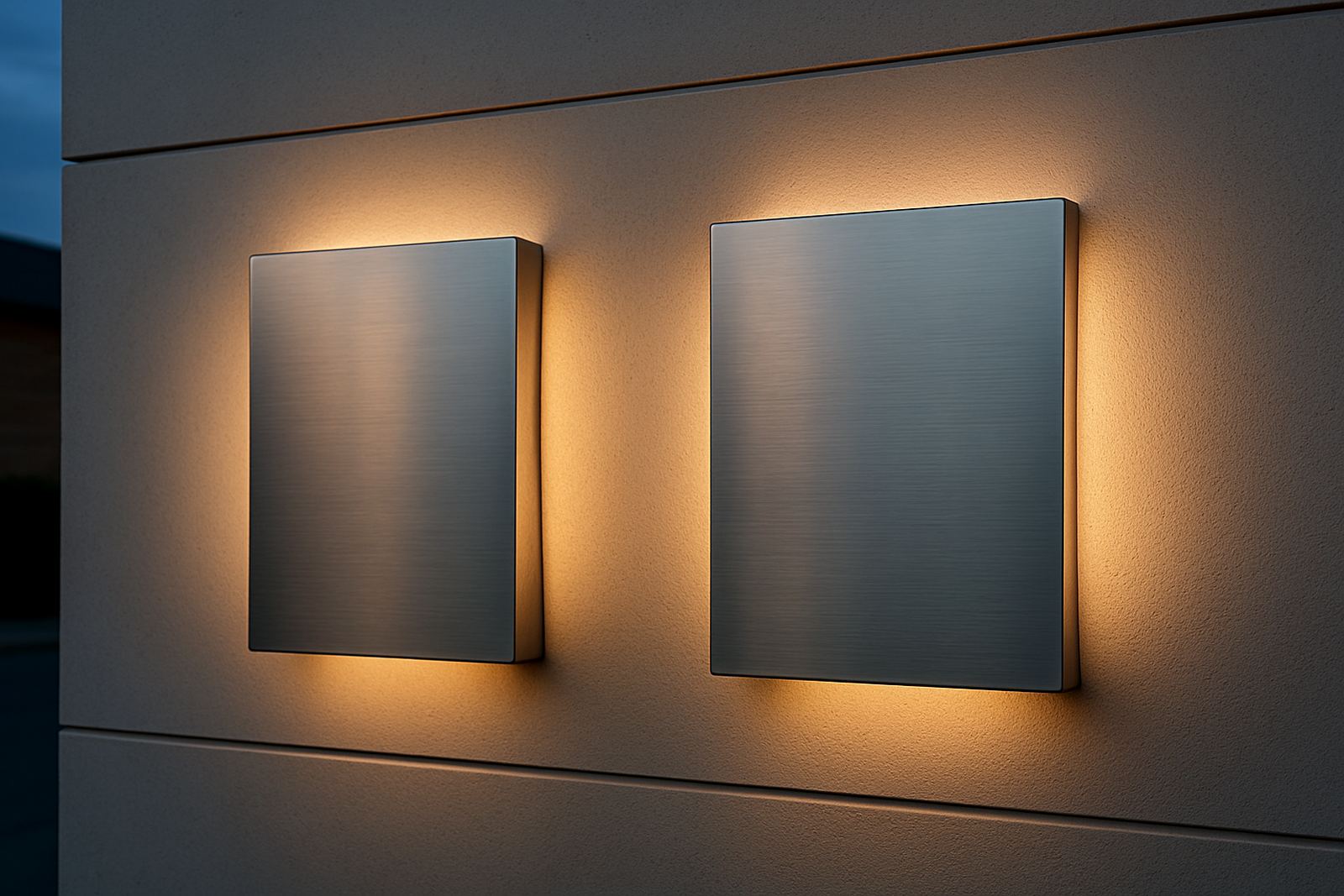
Halo-lit letters are individually fabricated letters mounted slightly off the wall so light escapes from the back edge and forms a clean glow around each shape. The front face stays visible in daylight while the backlit effect adds depth after dark, which makes this a strong option for corporate entrances, shopping precincts, office parks and hospitality frontages.
The look depends on the face finish, letter depth, wall colour and the type of lighting set inside the letter. We typically specify aluminium, acrylic and stainless steel letter builds, with internal LED modules sized for the exact character height. For sites in Johannesburg, Pretoria or on the coast, the materials and fixings must be chosen carefully so the sign holds its shape in sun, dust, rain and coastal humidity.
Deep3 manages the full process from sign intent and visual layout through to fabrication coordination, site installation and final handover. That means the lettering, spacing, backing and electrical requirements are planned together instead of being treated as separate items.
Sizes, finishes and build options to suit the site
Halo-lit letters can be made in a wide range of sizes, from compact reception lettering to large façade branding visible from a road or forecourt. Typical letter heights start at about 150 mm for interior features and can run to 1200 mm or more for outdoor corporate signs, depending on viewing distance and the wall area available.
Finish options are usually matched to the brand and the wall surface. Common choices include brushed metal faces, painted metallic finishes, acrylic faces with opaque returns, and letters with a dark back surface to improve the halo contrast. Letter depth is normally between 30 mm and 100 mm, though deeper builds may be used where more light spread or stronger visibility is needed.
- Face materials: acrylic, aluminium, stainless steel or mixed construction
- Return depth: usually 30 mm to 100 mm
- Illumination: LED modules with low heat output and low power draw
- Mounting: stand-off studs, rail fixing or concealed bracket systems
- Colour finish: powder coat, painted finish, brushed metal or vinyl face application
Where the wall is rough, curved or uneven, we factor in packers, spacer depth and a suitable mounting rail so the halo remains consistent. On painted plaster walls or cladding, the background colour can be selected to increase or soften the light effect.
Best places to use halo-lit signage
This product suits sites where the sign must carry the brand in a calm but visible way. It works well at entrances, above reception areas, on boundary walls, against concrete or feature plaster, and on internal feature walls in corporate lobbies.
Halo-lit letters are a good choice for developers, professional firms, estates, hospitality venues and public-facing municipal buildings that want a more refined finish than a standard flat sign. They are also practical for sites that need a night presence without harsh front glare.
The product is often used where direct floodlighting would create glare, or where the architecture benefits from softer light and cleaner edges. If the site has foot traffic after hours, the glow can help guide visitors without making the façade look over-lit.
- Corporate entrances and office park gateways
- Reception feature walls and lobby branding
- Hospitality frontages and leisure venues
- Property developer hoardings and show suites
- Municipal facilities and transport-related sites
Installation, power supply and site requirements
Installing halo-lit letters requires accurate setting out, a stable fixing surface and an electrician to connect the lighting feed safely. The sign must be mounted level and at the correct stand-off distance from the wall so the glow spreads evenly. If the spacing is too tight the halo is weak, and if it is too wide the effect can look patchy.
For exterior work, we check whether the wall can carry the load, whether access equipment is needed, and where cable routes and isolation points will be placed. On larger sites we coordinate with the main contractor, electrician and waterproofing team so the penetrations are sealed correctly. In Gauteng load-shedding makes it worth planning for control gear and backup supply where the site needs the sign on at set hours.
Indoor signs usually draw from a low-voltage transformer or driver installed in an accessible service location. Outdoor signs need weather-rated components, proper cable glands and protective housings. We also look at wind exposure, especially on taller facades and roadside sites where vibration can affect the fixings over time.
- Power: low-voltage LED system with site-specific driver sizing
- Access: ladder, scaffold or MEWP depending on height and reach
- Electrical needs: isolator, protected cabling and safe access to service points
- Substrate checks: plaster, brick, cladding, precast concrete or aluminium composite
- Outdoor protection: sealed fixings, weather-rated components and correct drainage paths
Care, cleaning and servicing over time
Halo-lit letters are low maintenance, but they do need occasional checks to stay neat and bright. Dust, insects and pollution can build up on the wall surface and around the returns, which can soften the halo and make the sign look tired. A simple clean with mild soap and water, using a soft cloth or sponge, is usually enough for the face and surrounding wall area.
For coastal or industrial areas, we recommend routine inspections of the seals, fixings and power connections because corrosion can start at small points if ignored. Internal LED modules have a long service life, yet individual units can fail and should be replaced promptly so the lighting stays even. It is also worth checking that the driver cabinet remains dry and accessible, especially during rainy season or after roof work nearby.
If the sign is part of a larger façade package, it helps to keep a record of the electrical layout and fixing points. That makes future servicing quicker and reduces the risk of unnecessary wall damage.
Points to verify before ordering halo-lit letters
Before manufacturing begins, we check a few details so the finished letters suit the building and the brand properly. The most important points are the exact wording, letter height, logo proportions, preferred finish and the wall material. We also need to know whether the sign is for interior or exterior use, and whether the client wants a warm white, cool white or coloured glow.
It also helps to confirm the viewing distance, mounting height, available electrical point and whether the wall is already painted. If the site is in a windy area, near the coast or exposed to dust, the material specification may need adjusting. On municipal and developer sites, approval documents and drawing sets may be needed before fabrication starts.
- Final artwork and spelling, including spacing and line breaks
- Letter height, overall width and intended viewing distance
- Wall type, finish and fixing access
- Daytime appearance and night-time glow colour
- Power point location, cable route and switching method
- Any approval, structural or site access requirements
When these points are settled early, the installation goes faster and the result is more consistent. For clients across Johannesburg, Gauteng and other African sites, that planning makes a practical difference on busy projects where access windows are short and there is not much room for rework.
Key facts
| Product type | Reverse-lit individual letters with back glow |
|---|---|
| Typical letter height | 150 mm to 1200 mm plus |
| Common depth | 30 mm to 100 mm |
| Materials | Acrylic, aluminium, stainless steel and mixed build options |
| Lighting | Low-voltage LED modules with site-specific drivers |
| Best use | Entrance walls, façades, lobbies, precincts and feature signage |