





How to use these specification guides
Not every signage job needs the same level of structure. A retail pylon on a busy road, a municipal wayfinding set, and a rooftop LED screen all have different loads, permit needs and maintenance demands. These guides break that down in plain terms so you can choose the right format before drawings are issued or pricing is requested.
Start with the guide that matches your site and goal, then move through the details that affect cost and compliance. If you are working in Gauteng, or on a project further afield in Africa, the big questions are usually the same: what must be visible, what can be fixed to the building or ground, and what will the site team need to maintain later.
What changes price on a signage project
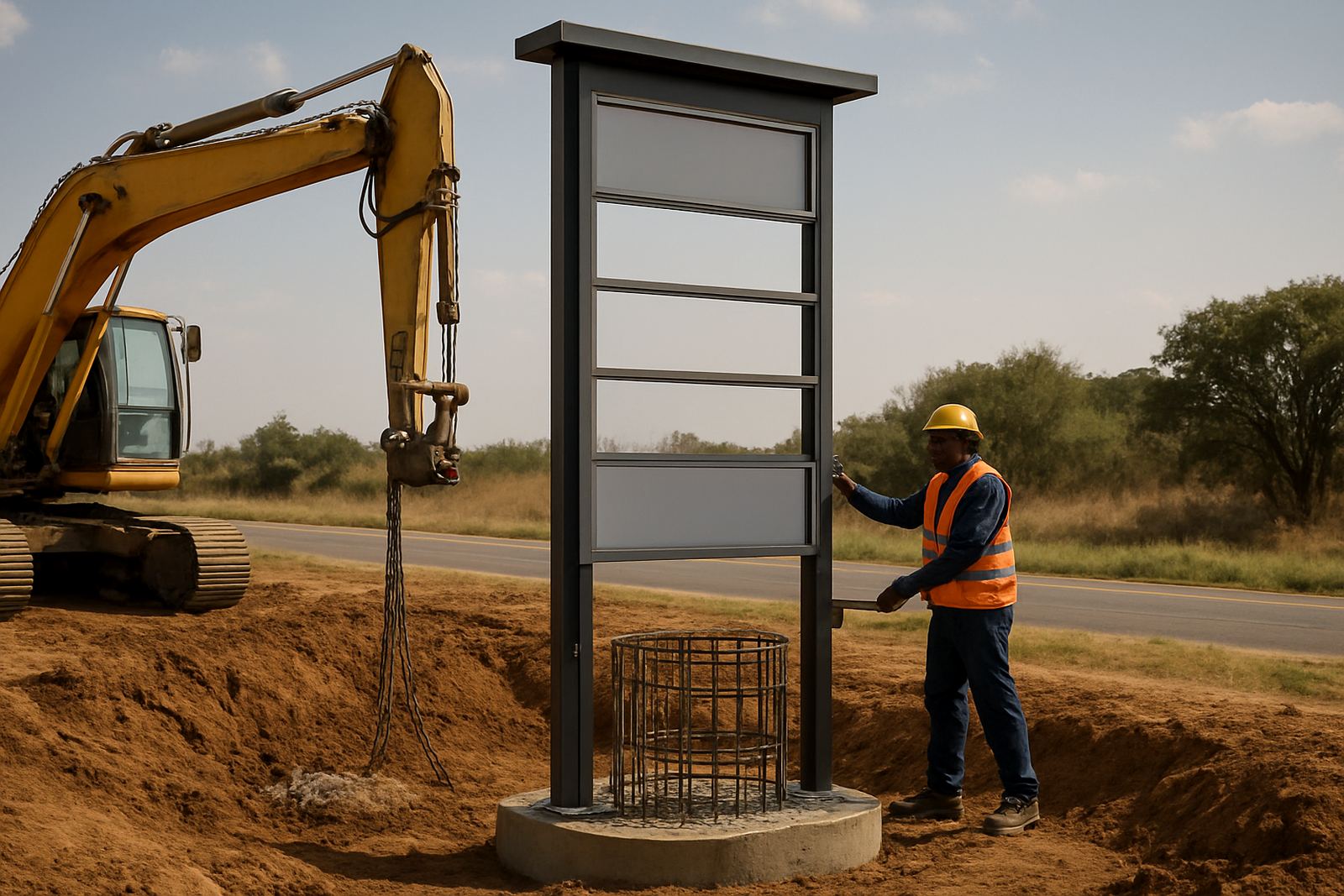
Price is affected by more than size. Material choice, access height, electrical integration, steel work, finishing and approvals all shift the final budget. A simple flat-cut aluminium name panel is one thing. A freestanding sign with a concrete foundation, internal lighting and crane access is another altogether.
- Size, depth and total face area
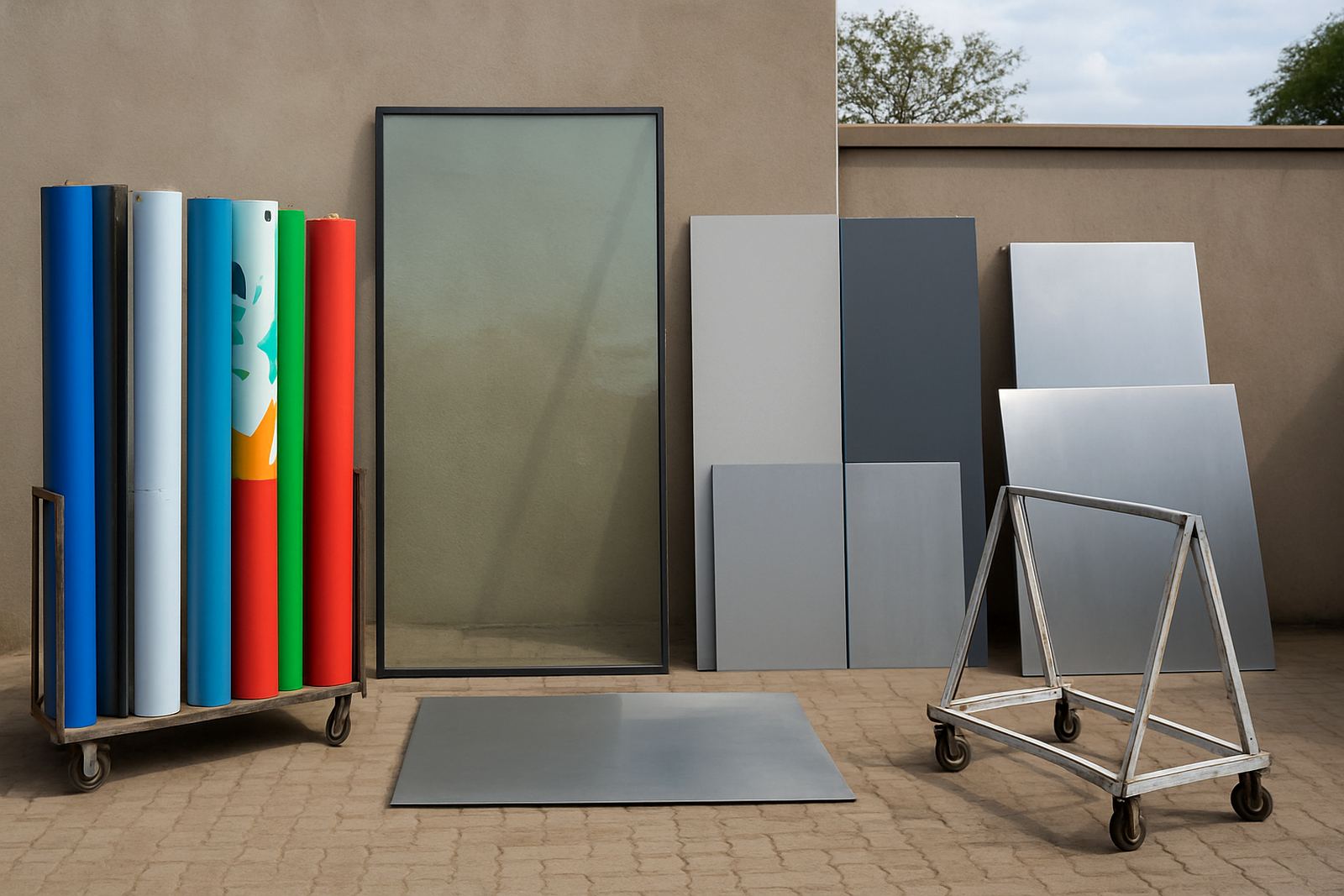
- Choice of materials such as Perspex, aluminium, brass or steel
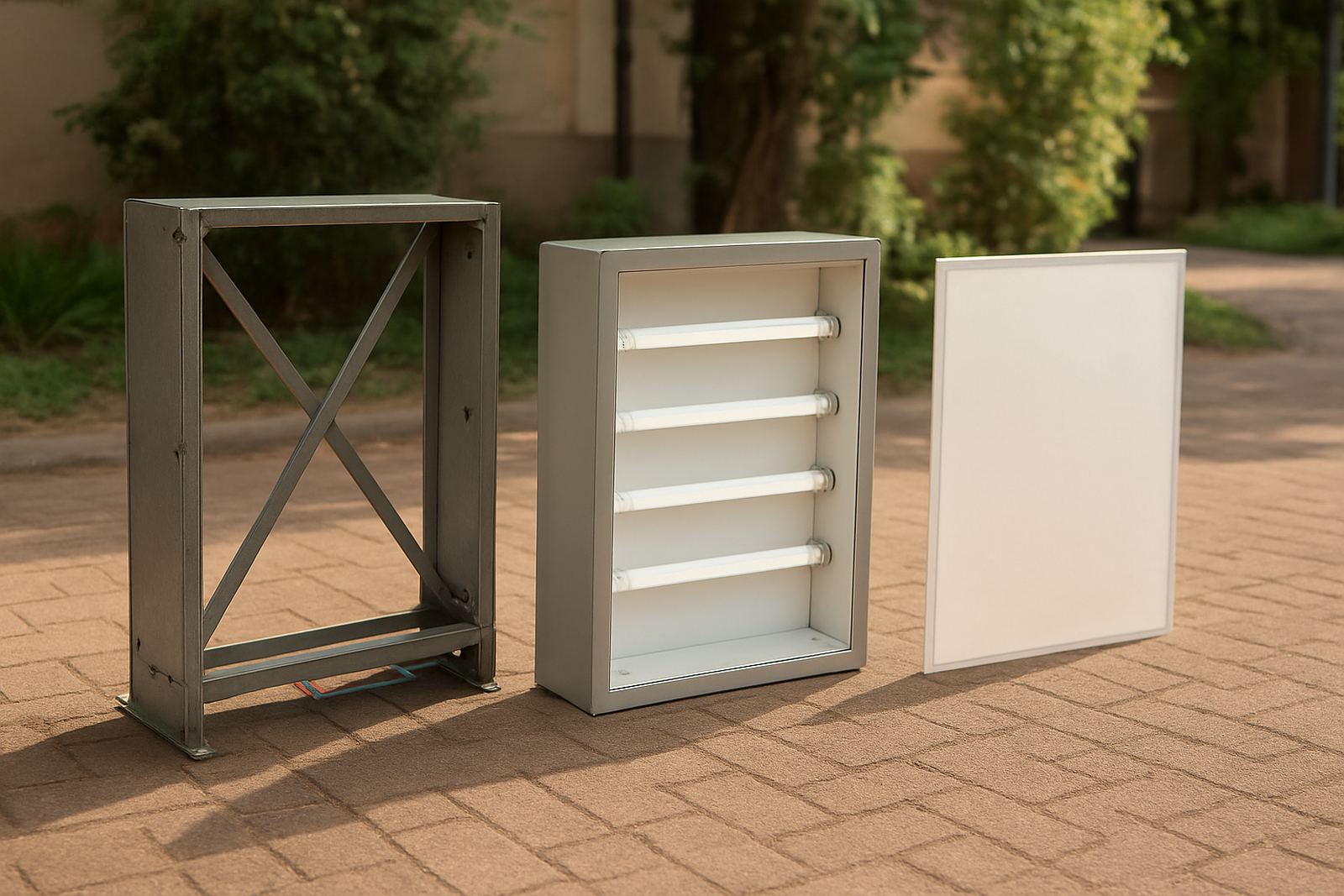
- Lighting type, cabling and power supply requirements
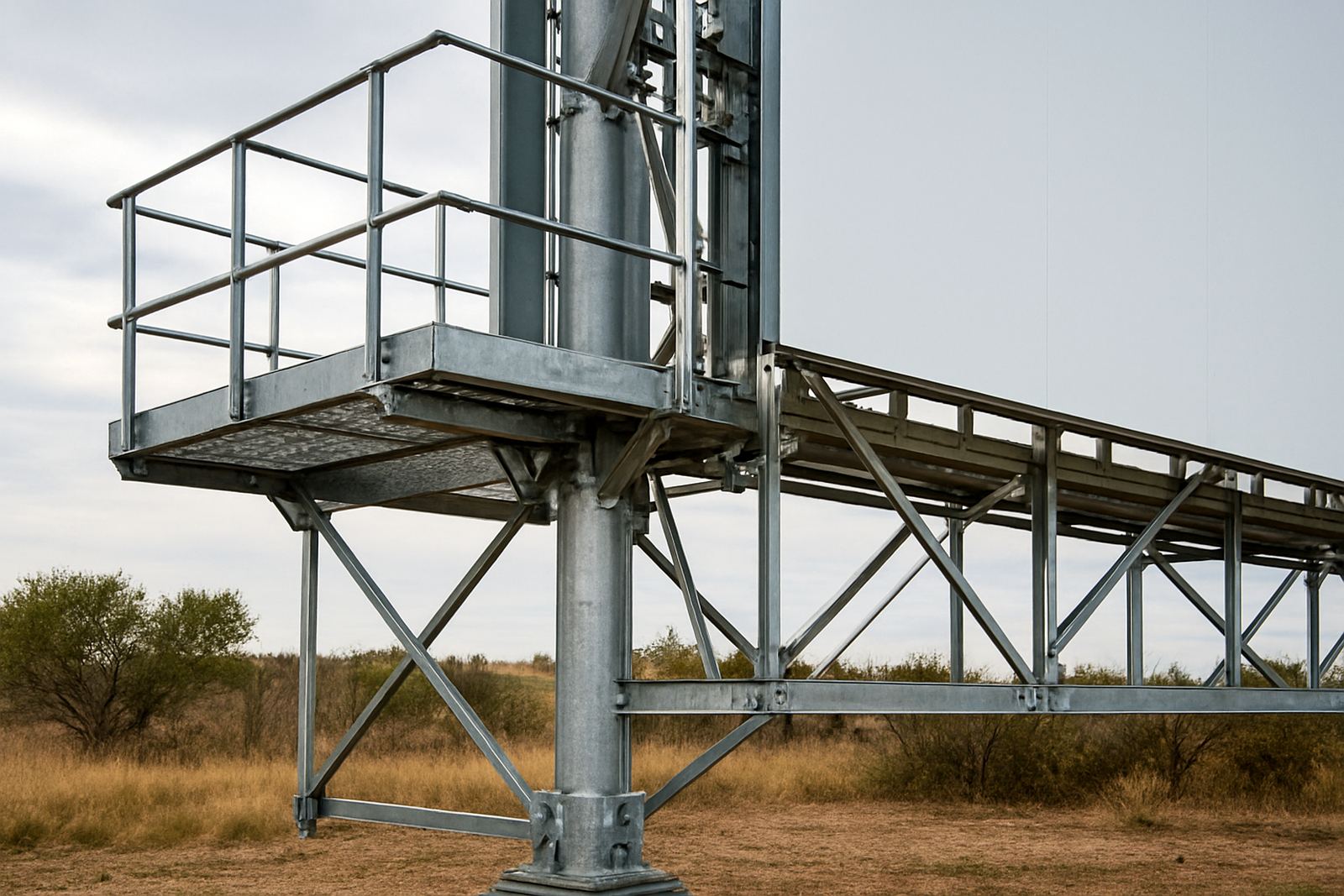
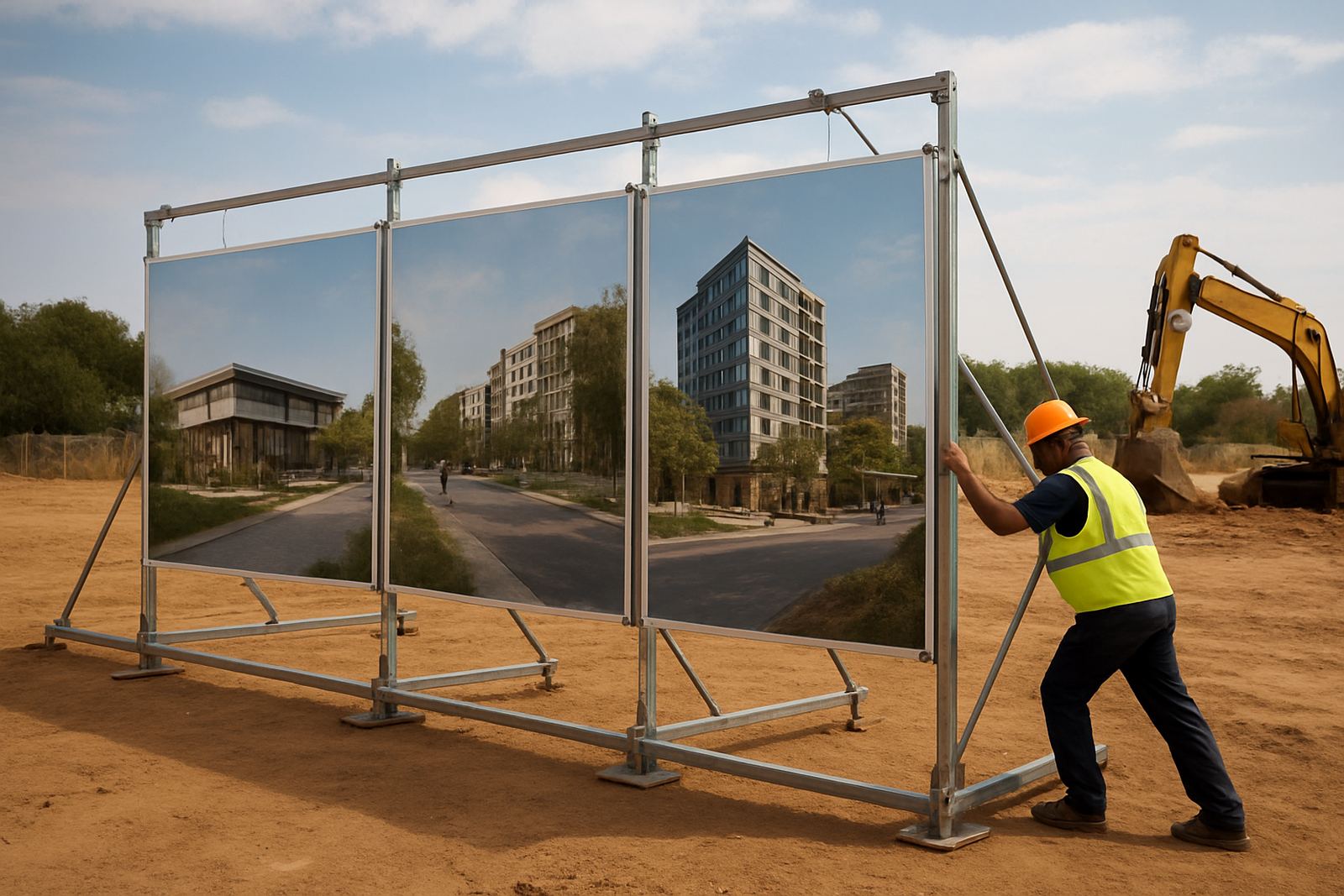
- Ground works, structural supports and footing design
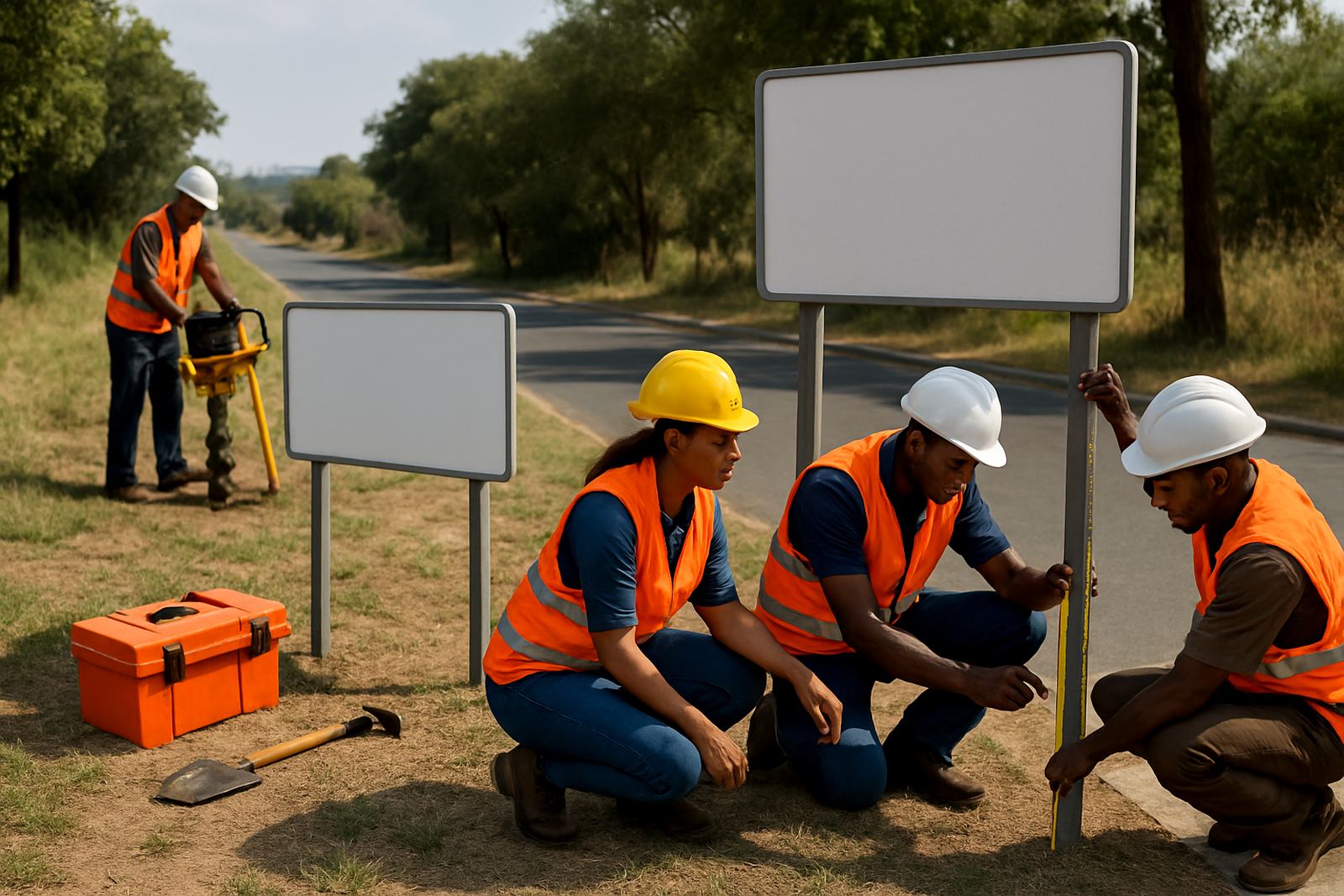
- Access equipment, traffic control and rigging time
- Artwork preparation, permitting and site coordination
For developers and facilities teams, it helps to separate sign manufacture from site works. That makes it easier to compare quotes and see where savings are possible without cutting quality in the wrong place.
Approvals, bylaws and site constraints
Many signage delays come from approvals rather than fabrication. Municipal rules can affect height, projection, illumination, branding exposure and placement near roads. In busy nodes like Sandton, Midrand, Germiston and Pretoria, the site is often more complex than the sign itself.
These guides point out where approval support may be needed, and where early checks can save weeks later. On road-facing sites, visibility and safety matter as much as branding. On coastal projects, corrosion control and fixture selection become important because humidity and salt air can shorten the life of weak components.
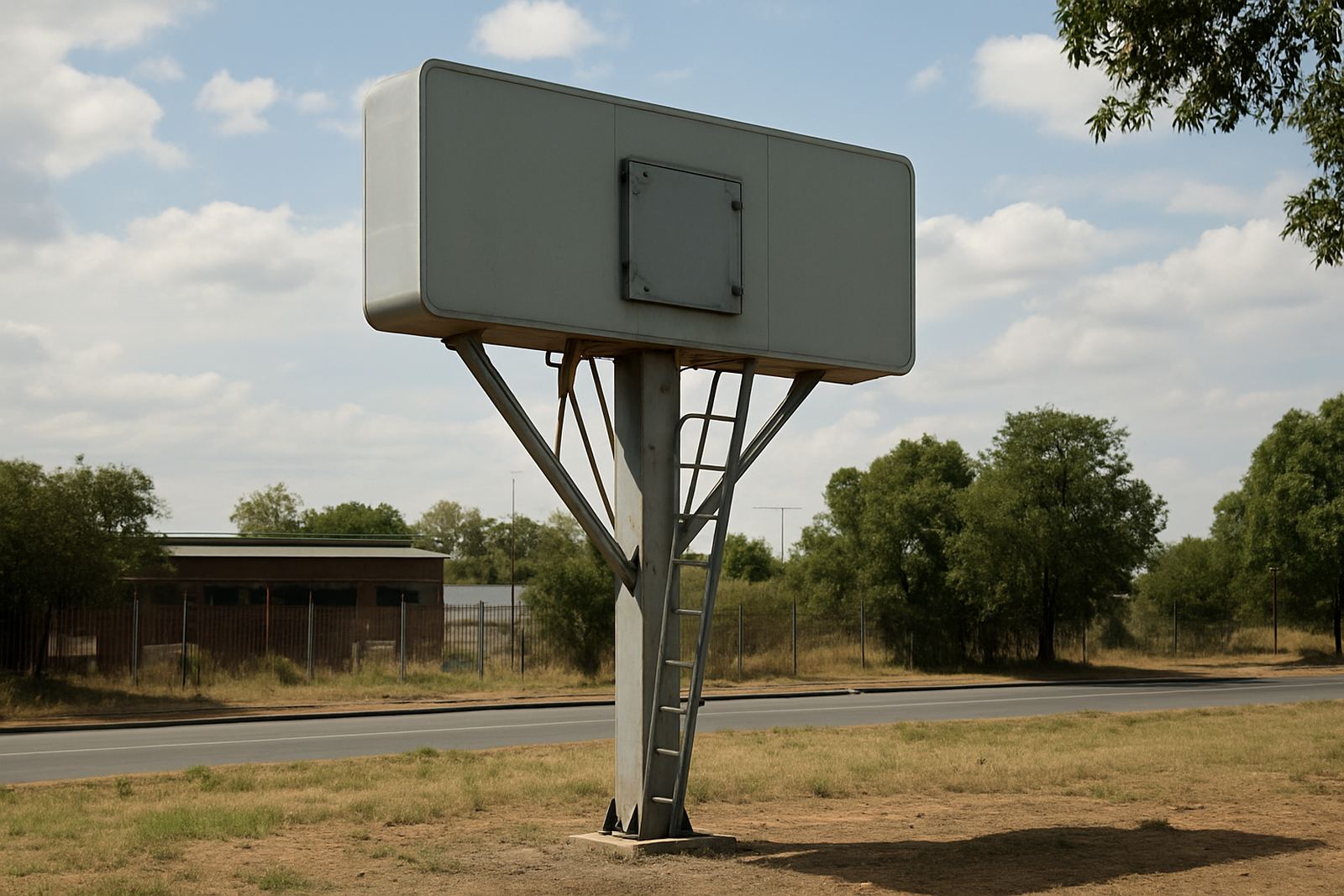
If your project includes a billboard, pylon or LED screen, check the base conditions, service access and local restrictions first. That approach avoids rework and keeps the programme on track.
Choosing between internal, external and digital formats
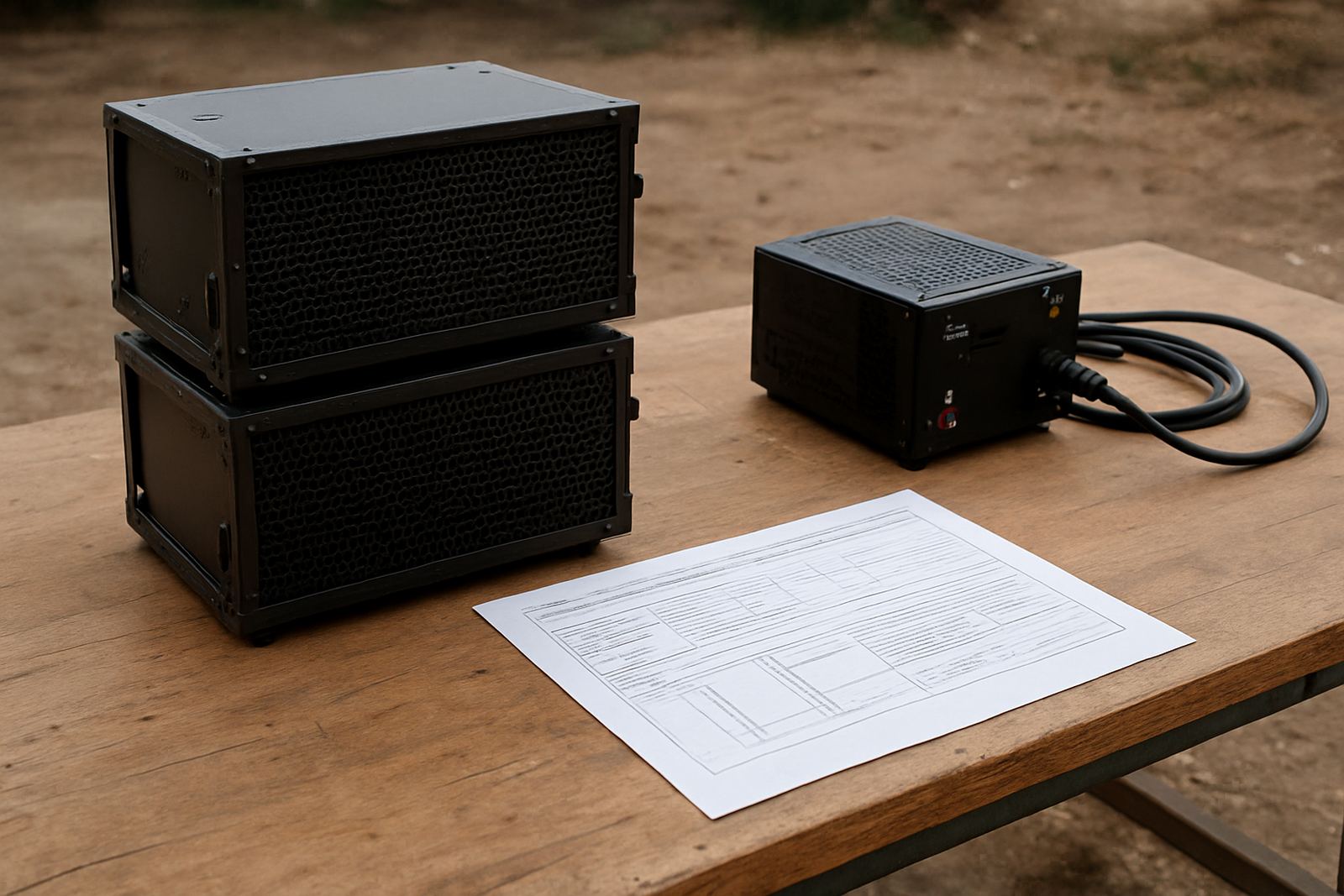
Different settings call for different signage types. Internal signs need clean finishes, accurate colour matching and good wayfinding logic. External signs need weather resistance, stronger fixings and materials that can handle sun, dust and wind. Digital screens add power, cooling, content control and maintenance planning.
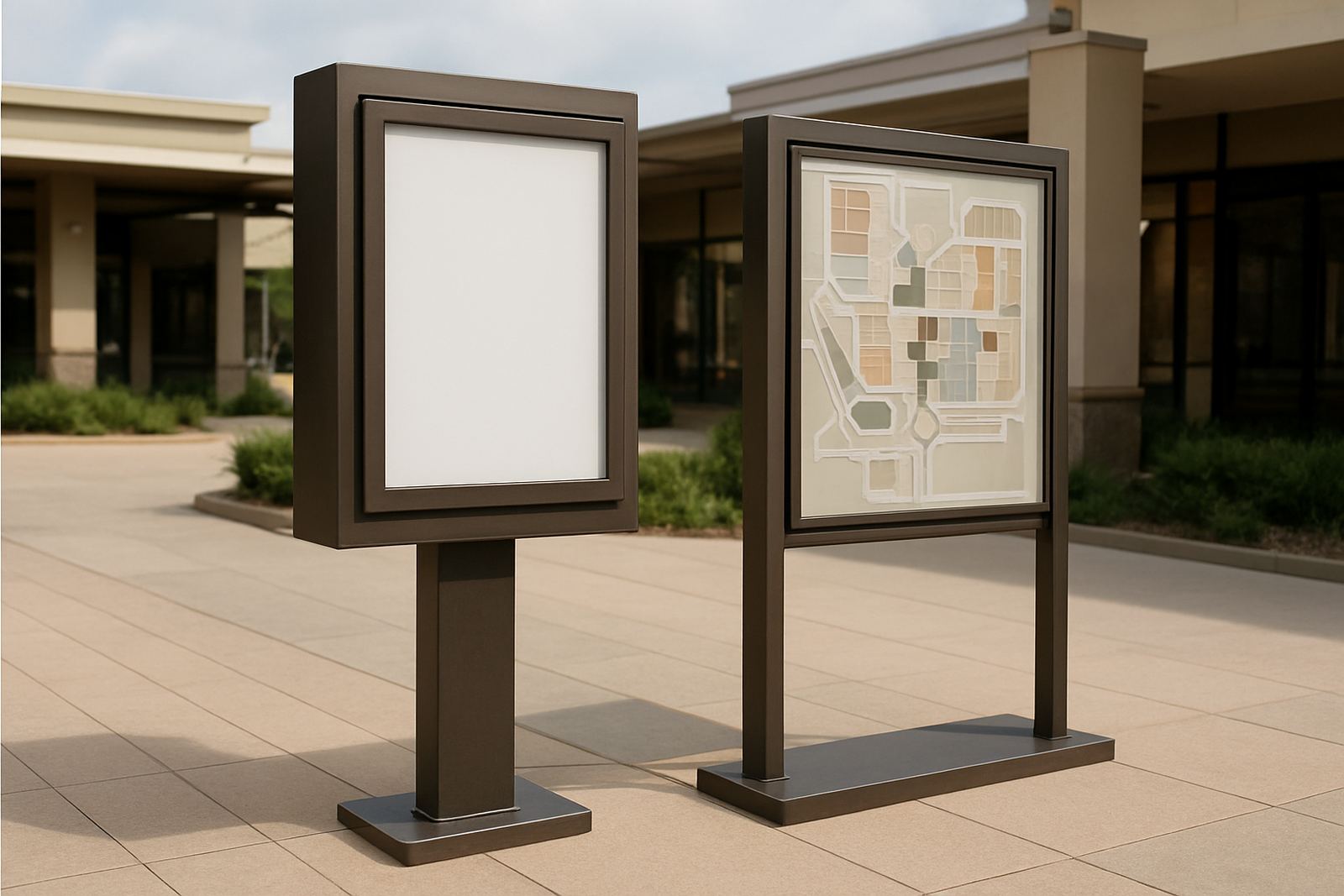
- Internal wayfinding suits offices, hospitals, campuses and malls
- External branding suits facades, entrances, forecourts and retail parks
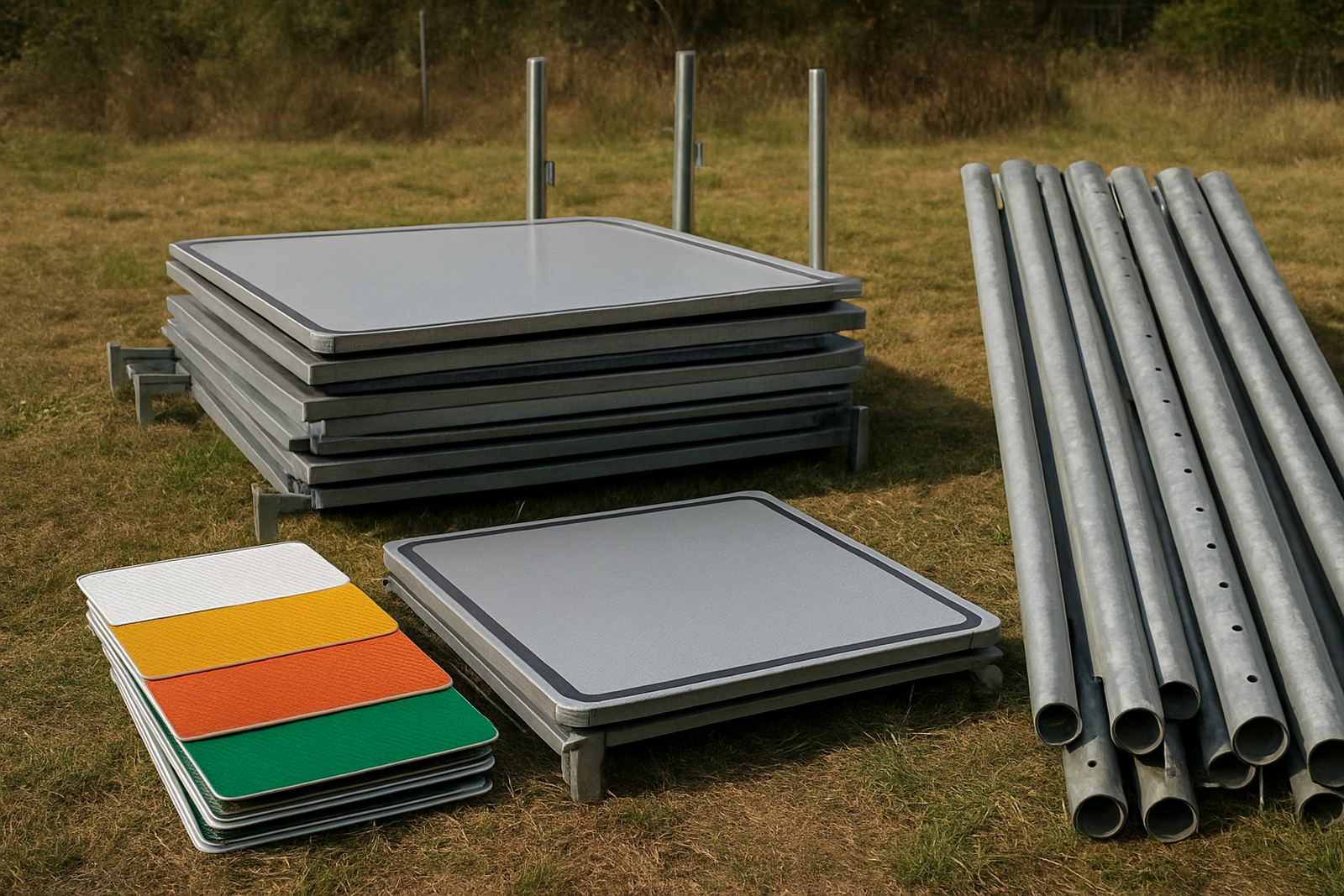
- Pylons and road signs suit highways, estates and large sites
- LED screens suit promotional messages, event sites and high-traffic frontages
The right choice depends on who must see it, how often the message changes, and how much servicing the site can handle. A sign that looks good on paper may still be the wrong choice if access is difficult or power is unstable.
Materials, finishes and long-term upkeep
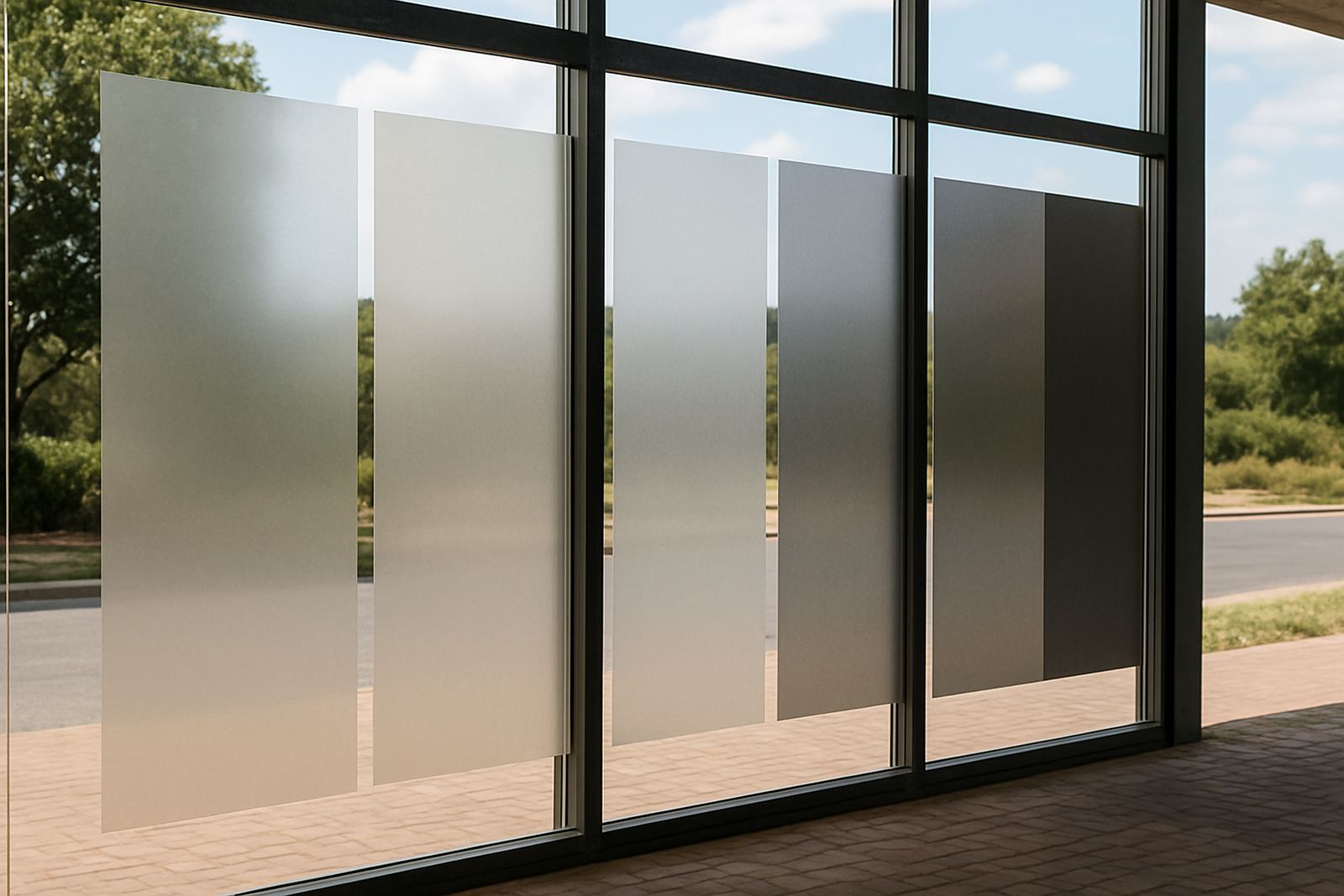
Good specification is about lifespan, not only appearance. Painted steel, aluminium, brass, Perspex and vinyl each behave differently in heat, UV and moisture. In Gauteng, dust and sun exposure are common. In Durban, coastal humidity can affect fixings and surfaces faster if the specification is too light.
Use these guides to compare what is easy to clean, what can be repaired on site, and what will need planned replacement. For some projects, a slightly higher material spend now lowers the total cost over five or ten years. That matters for municipalities, property owners and facilities teams who must manage future budgets.
Maintenance planning should also cover lamps, power supplies, access hatches, cleaning methods and replacement panels. If the sign can’t be reached safely, it will cost more every time it needs attention.
Who each guide is for
Specification Guides are written for people who must make practical decisions, not just approve a visual. If you are managing a new development, upgrading a site, or setting standards across several properties, the right guide will help you brief the work more clearly.
- Developers planning sales, tenant exposure and site identity
- Facilities teams managing upkeep, access and budget control
- Municipal teams handling wayfinding, road signs and public information
- Brands needing consistent specification across multiple sites
Based in Modderfontein, we support signage projects across Johannesburg, Gauteng and elsewhere in Africa. For a full specification pack, we assist with surveys, material decisions, structural coordination, approval support and project handover.