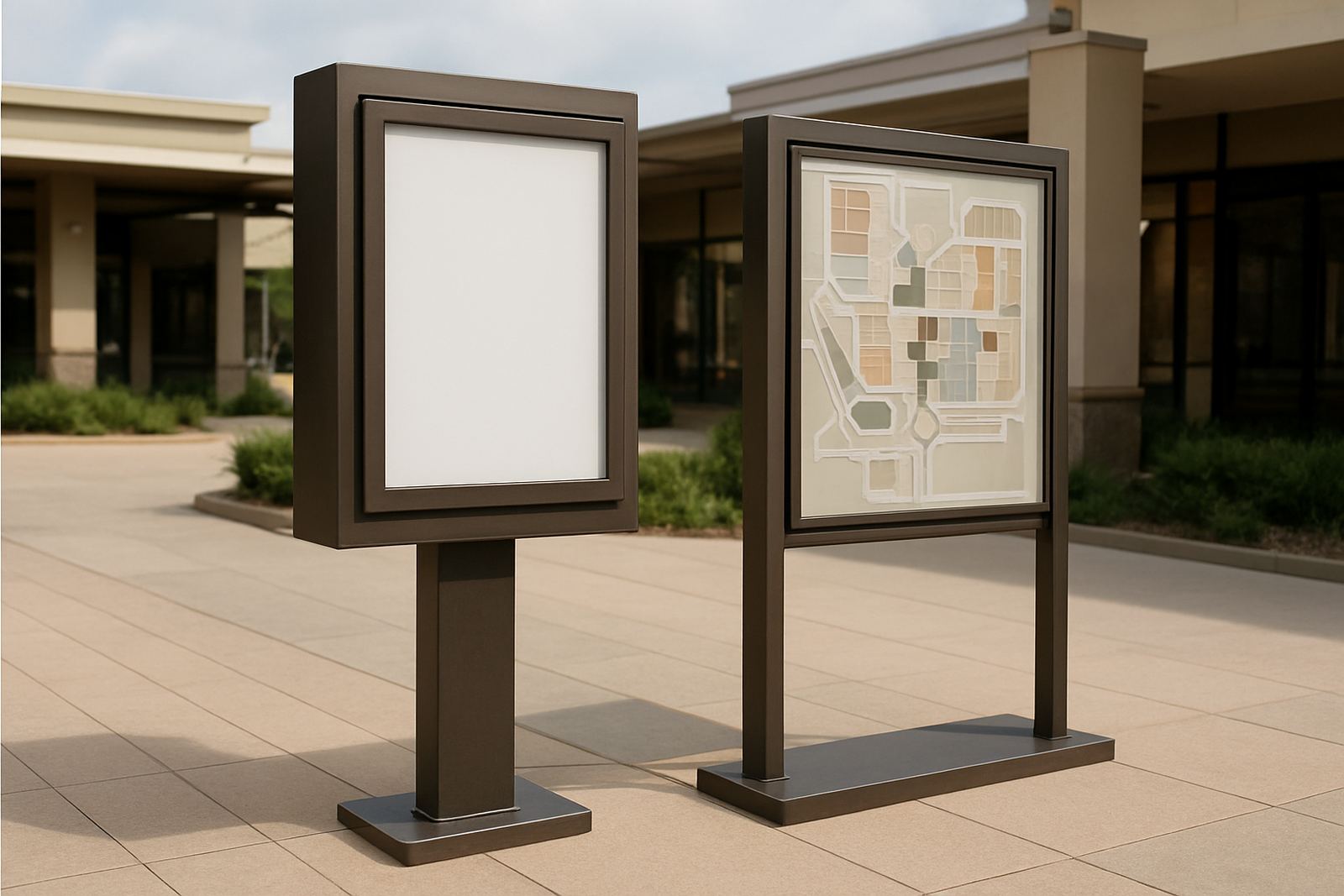

Start with the road type and who must read the sign
The first specification question is simple: is this an internal road on private property, or a public road governed by municipal and provincial requirements? That answer shapes panel size, mounting height, reflector grade, post spacing and whether the sign needs formal approval before fabrication. For estates, logistics yards, campuses and retail parks in Johannesburg or Pretoria, internal roads often need calmer signing with lower speeds and shorter reading distances. Public roads near Modderfontein, Germiston or Midrand usually need stricter visibility, greater setback and stronger structural details.
We begin by recording the speed environment, turning movements, sight lines and the distance from which a driver must read the sign. A stop instruction at 20 km/h is very different from a warning sign for a 60 km/h feeder road. If pedestrians, trucks, cyclists and delivery vehicles all share the same route, the sign system must be planned as one set, not as individual boards placed wherever there is space.
- Confirm road status: internal, access-controlled, municipal or provincial.
- Measure approach speed, curve radius and stopping distance.
- Note obstructions such as trees, walls, poles and guardrails.
- Check whether the sign must be temporary, permanent or changeable.
Choose the correct panel size and viewing distance
Panel size depends on speed, text length and how far away the driver will first see it. A short instruction on a low-speed internal road can use a smaller board, while directional signing on a wider road near Sandton or Centurion often needs larger panels with more spacing between lines. Too much information on a small board makes the message slow to read and easy to miss.
As a practical rule, keep the sign text brief and use symbols where allowed. Place the most important word or arrow where the eye lands first, then leave enough clear border around the copy. If the sign will be read at night or in poor weather, allow for stronger contrast and simpler wording. On internal sites, we often recommend test layouts at actual size before fabrication so the client can confirm legibility before anything is cut.
- Use the shortest possible message that still gives clear instruction.
- Match letter height to approach speed and reading distance.
- Keep margins generous so the sign does not look crowded.
- Allow for extra size if the road curves, slopes or narrows.
Specify reflectivity for night visibility and wet weather
Reflectivity is not optional on most road signs. In Gauteng, winter glare, early morning mist and rain on windshields can make a non-reflective sign difficult to read. For public roads and many internal roads with night traffic, the reflective sheeting or face treatment must be selected for the actual conditions, not just for daytime presentation. If the site is near heavy vehicle routes, the driver must read the sign at speed and under headlight wash.
For projects in Durban or coastal parts of Africa, humidity and salt air affect adhesives, face films and edge sealing. We specify materials that suit the environment, and we check whether the sign face will be cleaned regularly with a mild wash or exposed to dust, diesel fumes and sun for long periods. In load shedding areas, a sign should still function without power, so passive reflectivity remains important even where LED elements are added elsewhere on the site.
- Use reflective faces where night driving or early morning use is expected.
- Check whether the sign needs high-intensity or standard reflectivity.
- Seal edges and fixings for damp, dusty or coastal sites.
- Do not rely on lighting alone for legibility.
Select posts, foundations and structure for the site load
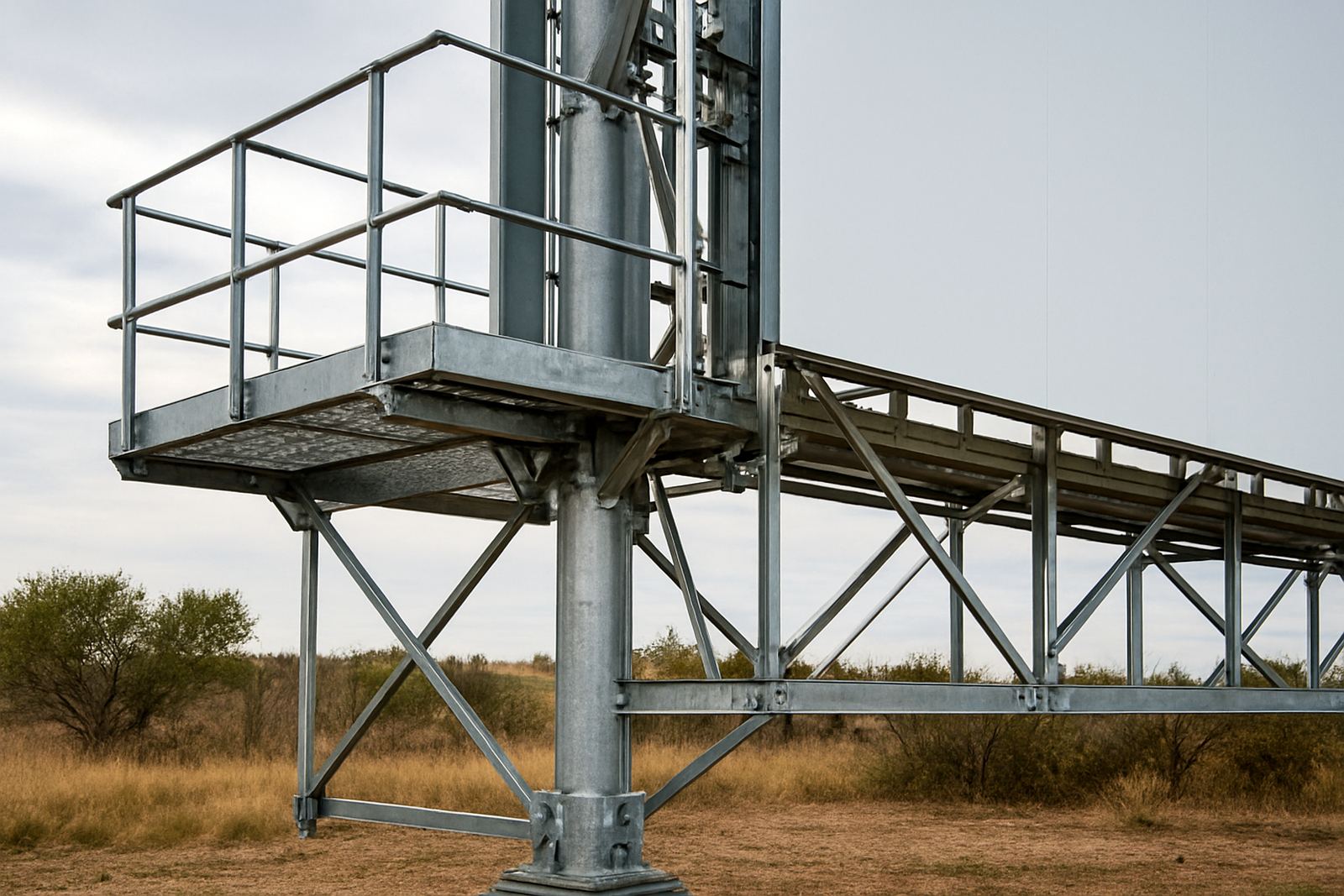
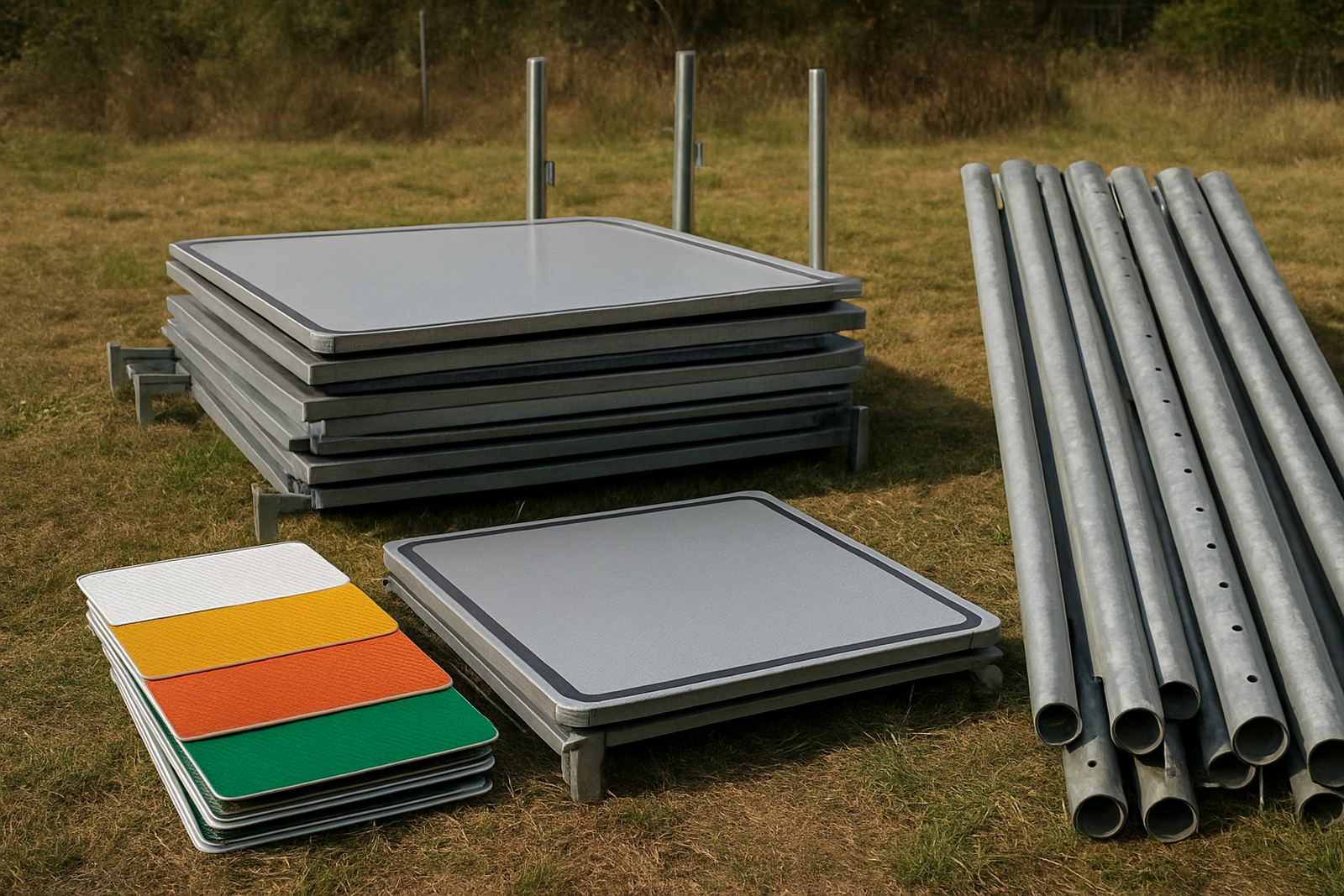
The board is only one part of the sign. Posts, base plates, anchors and foundations must suit the wind exposure, sign size and soil condition. A light internal direction board is not built the same way as a large public warning sign or a tall overhead directional structure. In sandy ground, compacted fill or old service corridors, the footing design may need adjustment before installation starts.
We check whether the posts will sit behind kerbs, in verges, inside medians or near drainage lines. We also consider maintenance access, vehicle impact risk and how close the sign sits to walls or trees. Aluminium, galvanised steel and treated structural components are chosen according to the expected lifespan and the environment. Where a sign may be hit by trucks or exposed to strong wind, the structure must be sized with that risk in mind, not guessed on site.
- Match post diameter and wall thickness to panel size and wind load.
- Confirm footing depth and anchor design before fabrication.
- Allow for vehicle impact zones and drainage.
- Use corrosion resistant finishes for exposed or coastal locations.
Place the sign where drivers can see it in time
Placement is often where good signs fail. If the sign is too close to the decision point, drivers brake late and miss the instruction. If it is too far away, they forget the message by the time they reach the turn. For internal roads, we look at the entry sequence, gates, speed humps and intersections. For public roads, we check approach angle, shoulder width and whether the sign will be hidden by parked vehicles or roadside growth.
Height matters too. A sign that is too low may be blocked by vans or shrubs. A sign that is too high can feel detached from the road user’s sight line. We also avoid placing important boards directly behind bright backgrounds, security fencing or busy advertising clutter. The aim is a clear line of sight, no surprises. If there is any doubt, a site survey should be done before fabrication so the final position is fixed with confidence.
- Set the sign before the decision point, not after it.
- Keep it clear of branches, gates and parked vehicles.
- Check sight lines from both day and night approaches.
- Allow maintenance access for cleaning and future repairs.
Follow the approval and fabrication checklist before work starts
For public road signage, approval can involve the local municipality, road authority or property manager, depending on location and jurisdiction. Internal roads may still need sign-off from the developer, estate manager or facilities team. Missing one approval can delay the job and force a redesign after materials have already been ordered. We build the approval path into the programme from the start so the specification matches the road owner’s rules and the installation team is ready on site.
Once the specification is agreed, the fabrication set should include the drawing, panel size, face finish, mounting detail, post detail and installation notes. At Deep3 Signage Consultants in Modderfontein, Johannesburg, we handle specification, structural coordination, fabrication management and installation management for road signs across Gauteng and the rest of Africa. That keeps the project practical from the first survey to the final handover, with less rework and fewer on-site delays.
- Confirm the authority that must approve the sign.
- Issue final drawings with sizes, heights and materials.
- Lock the fabrication schedule before site booking.
- Plan for cleaning, inspection and maintenance after handover.