
1. Start With Viewing Distance, Not Screen Size
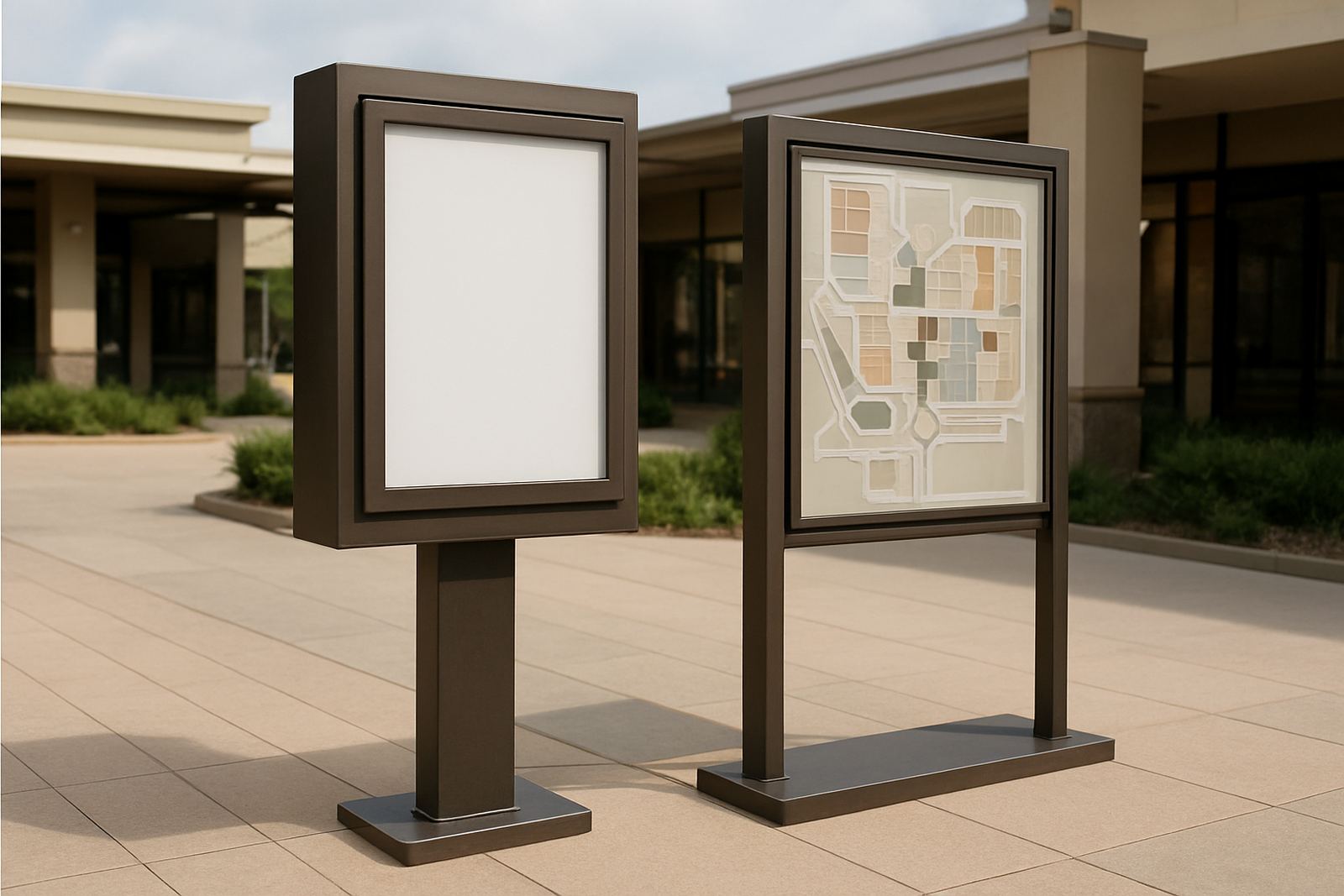
Before you compare cabinet sizes, work out where people will stand, drive or sit when they view the screen. A screen in a retail forecourt, on a highway pylon, or inside a municipal venue each needs a different pixel pitch and brightness level. A screen that looks fine at 5 metres can be unusable at 40 metres, while an oversized unit with the wrong pitch wastes power and budget.
For close viewing, finer pitch gives cleaner text and sharper graphics. For larger viewing distances, you can use a coarser pitch without losing legibility. The key is matching the content to the audience and the site, not picking the biggest panel available. If the screen will carry traffic messages, public notices, promotions or live feeds, test how much text can be read in a few seconds.
- Measure the primary viewing distance and angle
- Confirm if content will be static, animated or live video
- Check if the screen will be read by pedestrians, vehicles or both
- Match pitch to viewing distance and content density
2. Brightness and Weather Conditions Matter More Than Most Buyers Expect
Brightness should be set for the actual environment. A shaded indoor foyer does not need the same output as a sunlit road-facing screen in Midrand or Centurion. Too little brightness means washed-out content in daylight, while too much can be harsh at night and drive unnecessary power use. On outdoor sites, the screen must remain readable during clear Gauteng midday sun, winter glare and wet weather.
For coastal work in Durban and similar humid areas, ask about corrosion resistance, sealed modules and cabinet finish. Salt air and moisture can shorten the life of components if the screen is specified only for dry inland use. Load-shedding also needs to be considered because power interruptions can affect control gear, start-up cycles and content scheduling.
- Check the daylight viewing requirement, not only night performance
- Ask how the screen behaves in rain, dust and wind-driven moisture
- Confirm the cabinet finish and fasteners for inland or coastal exposure
- Include power conditioning and restart planning for load-shedding
3. Structure, Wind Load and Fixings Must Be Checked Early
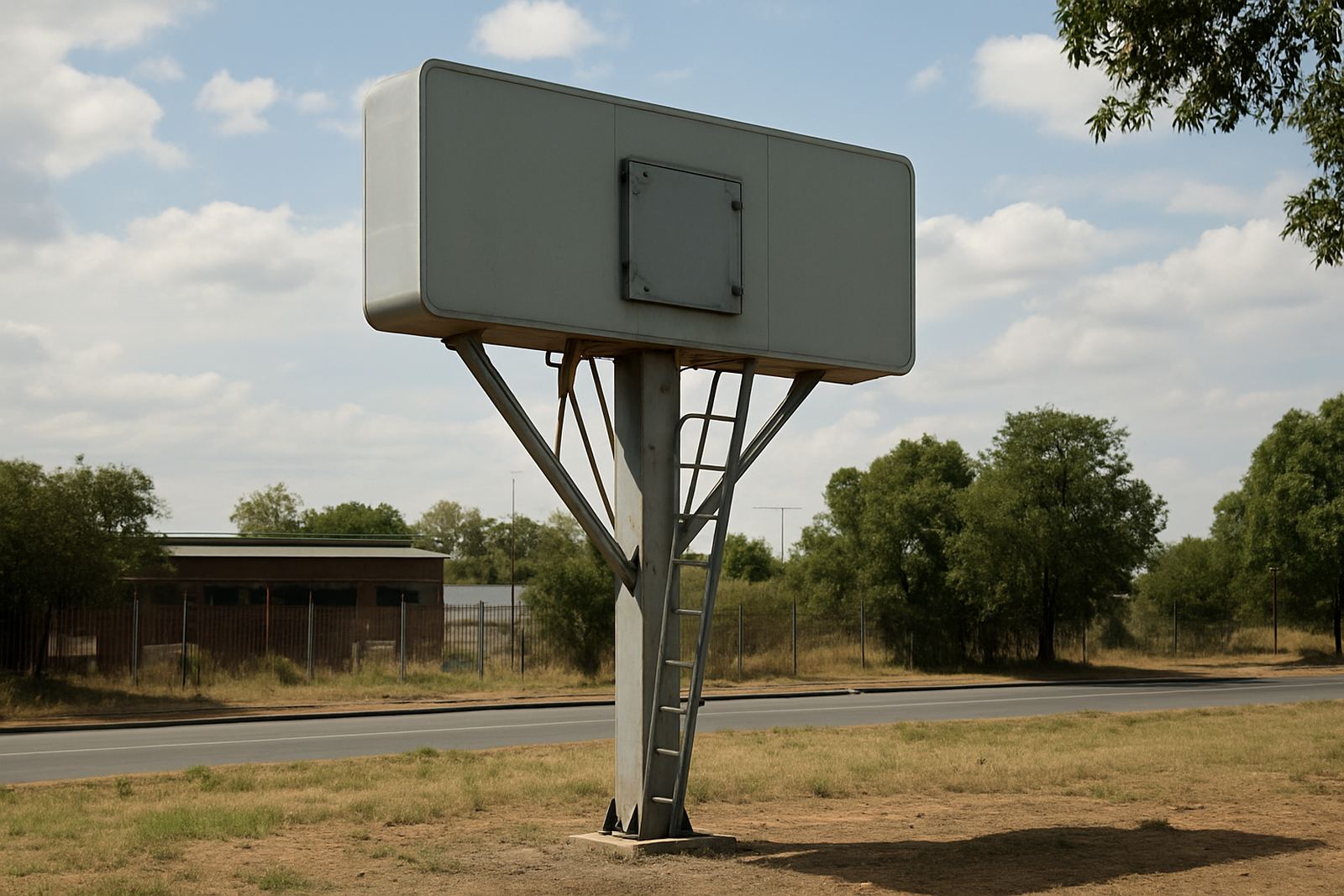
An LED screen is a piece of structure, not just a display. On a wall, pylon, gantry or free-standing frame, the support steel must be designed for the screen weight, wind load and access loads. This is where many projects go wrong, especially when the screen is purchased first and the structural checks happen later. In municipal areas, approval requirements may also influence the position, size and illumination of the screen.
If the site is in Gauteng, corrosion control still matters, particularly where steelwork is exposed to rain and dust. For a high-level screen, ask how rigging access will be managed during installation and future maintenance. A good spec will include service allowance, safe lifting points and room for cable routing. If the frame is too tight, the first service visit becomes a shutdown.
- Confirm the screen weight and support steel design together
- Check wind load, anchor points and foundation requirements
- Allow clear access for rigging, cable entry and later repairs
- Include approval checks for municipality or landlord rules
4. Control System, Content Handling and Signal Path Need Planning
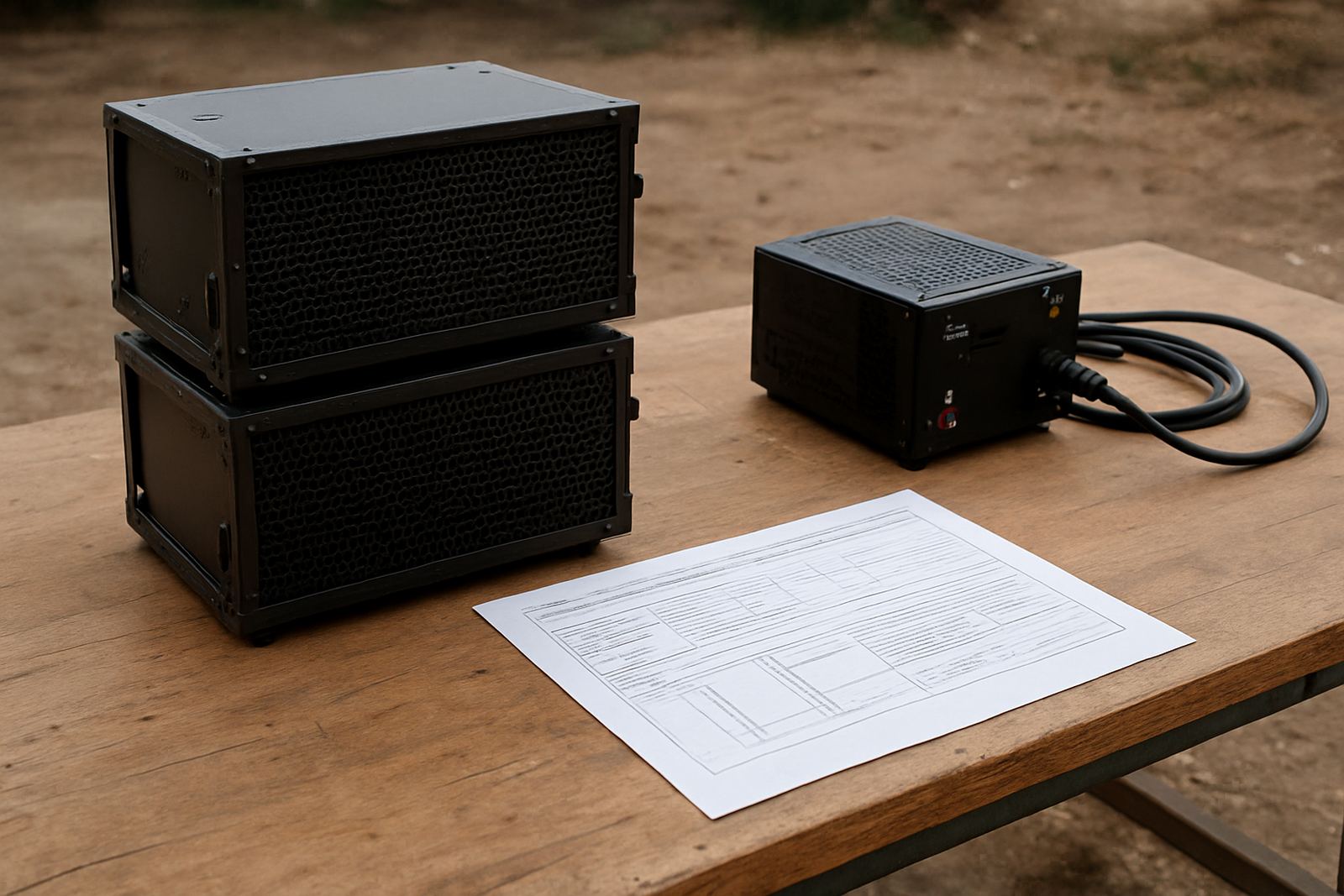
The screen is only as reliable as the control system behind it. You need to know who will manage content, how it will be sent to the screen, and what happens if the network fails. For a developer, retailer or municipality, the control setup should be simple enough for day-to-day use, but secure enough to prevent unauthorised changes. If the screen is part of a wider media plan, the control room, scheduling and remote access should all be specified at the start.
It is also worth checking the signal path. A long cable run, weak network connection or poor enclosure can create dropouts and maintenance headaches. The control cabinet must be accessible, ventilated and protected from weather and dust. Do not leave this until site handover, because the screen may be installed but still not ready to run properly.
- Decide who will publish and approve content
- Confirm local or remote control requirements
- Check network, signal and backup options
- Ensure the controller cabinet is accessible for service
5. Service Access and Maintenance Planning Protect the Asset
Many buyers focus on the front view and forget the rear access. LED screens need modules, power supplies, fans and control parts that will eventually need attention. If the screen is mounted against a wall with no service gap, routine maintenance becomes difficult and expensive. For outdoor sites in busy Johannesburg, access also needs to work safely around vehicles, pedestrians and trading hours.
Ask how front-service or rear-service access will be handled, what spare parts should be kept on site, and how often the screen should be inspected. A proper maintenance plan should include cleaning, thermal checks, seal inspection and firmware or configuration review. For screen networks across Gauteng, it is worth planning a spare module or two and a clear escalation route for faults.
- Check whether the screen is front-service or rear-service
- Confirm safe access around the site layout
- Plan cleaning and inspection intervals
- Keep critical spares and service notes with the handover pack
6. A Practical Procurement Checklist Before You Sign
When you are ready to buy, ask for a clear written scope that covers the display spec, structure, controls and service needs. This is the point where hidden costs often appear, such as steelwork changes, extra cabling, access platforms or approval delays. If the proposal is vague, the final result usually is as well. A good procurement process should make each item measurable and traceable.
Use this checklist before committing budget:
- Confirmed viewing distance and content type
- Pitch, brightness and cabinet specification
- Structural design and wind load confirmation
- Power, data and control system layout
- Installation method and access plan
- Maintenance schedule and spare parts list
- Approval support for local authority or landlord requirements
For brands and public bodies across Gauteng and the rest of Africa, the best results come from treating the screen as part of the whole project. That means specifying it properly, coordinating the structure and controls, and planning for service from day one, not after the first fault.