

How to read the project range
These selected projects show the type of work we handle from first survey to final handover. Some are compact wayfinding packages for a single site, while others involve large pylons, billboards, or LED screens that need structural coordination, transport planning and night work. The right starting point depends on what the site must do, how quickly it needs to be delivered and what the ground conditions are.
For developers and brands, the useful question is not only what the sign looks like, but how it performs in sun, wind, load-shedding and ongoing maintenance. For municipalities and public sites, the focus may be on approvals, visibility, durability and clear message control. That is where our team helps narrow the brief before fabrication starts.
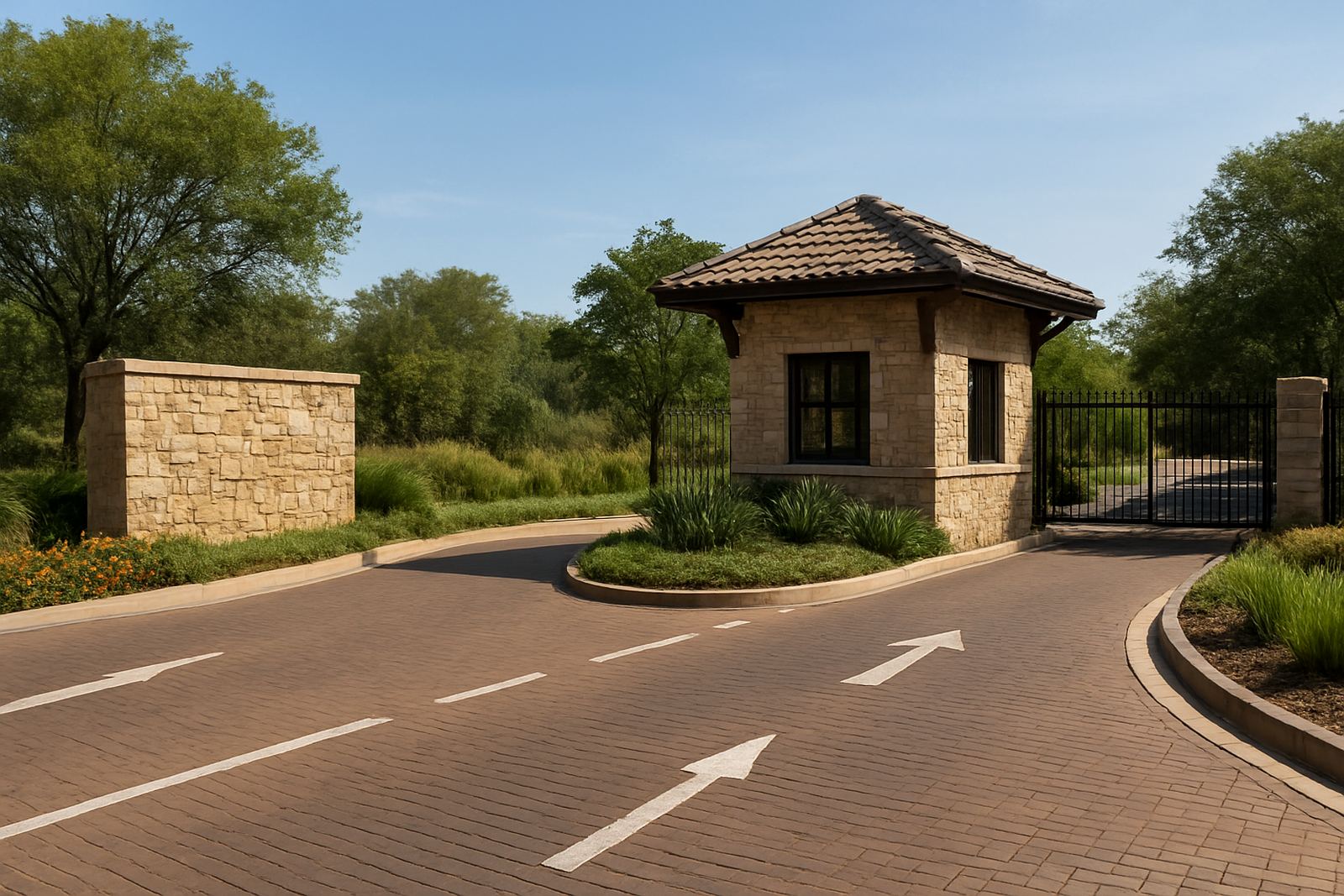
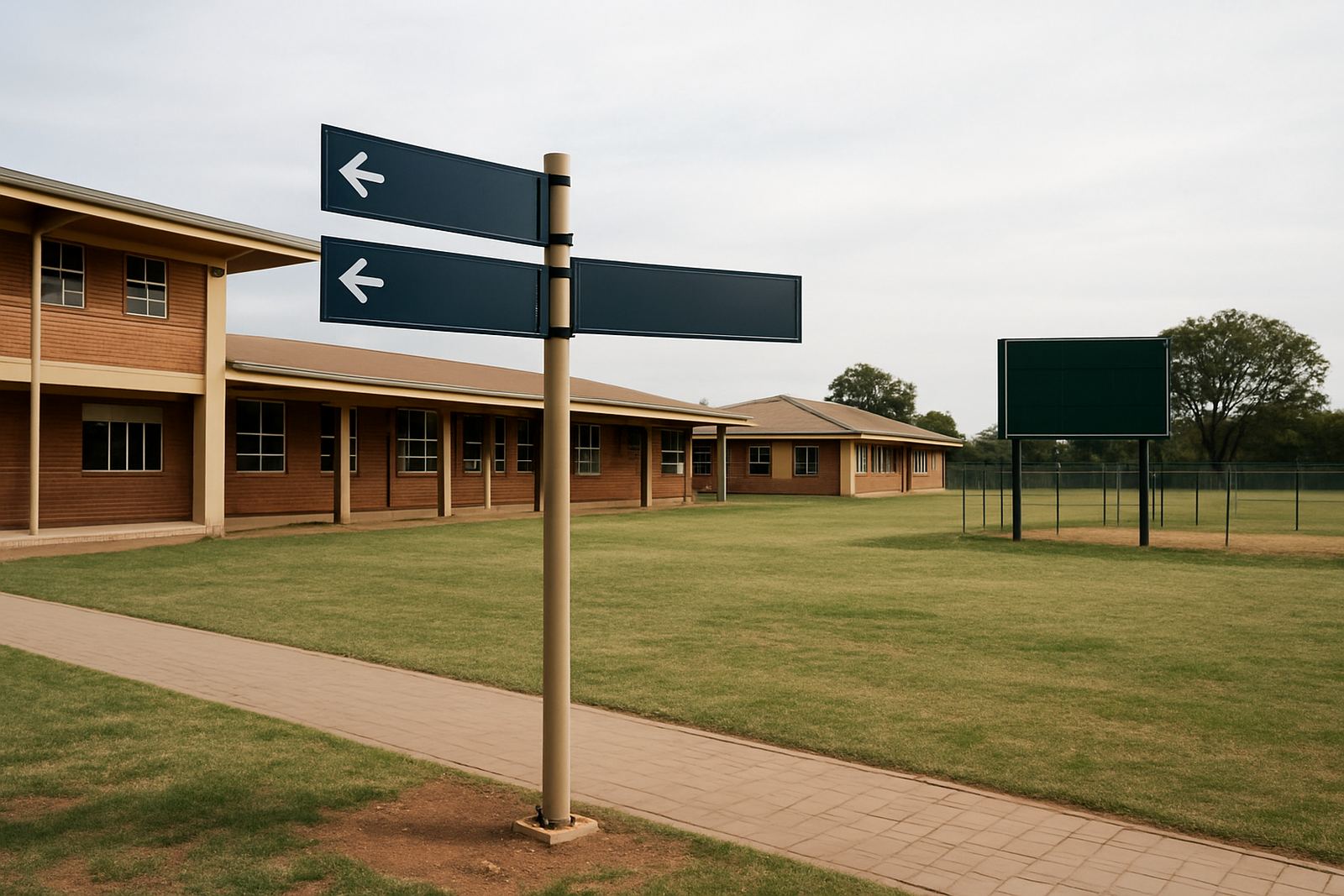
Estate gateways, precinct markers and wayfinding
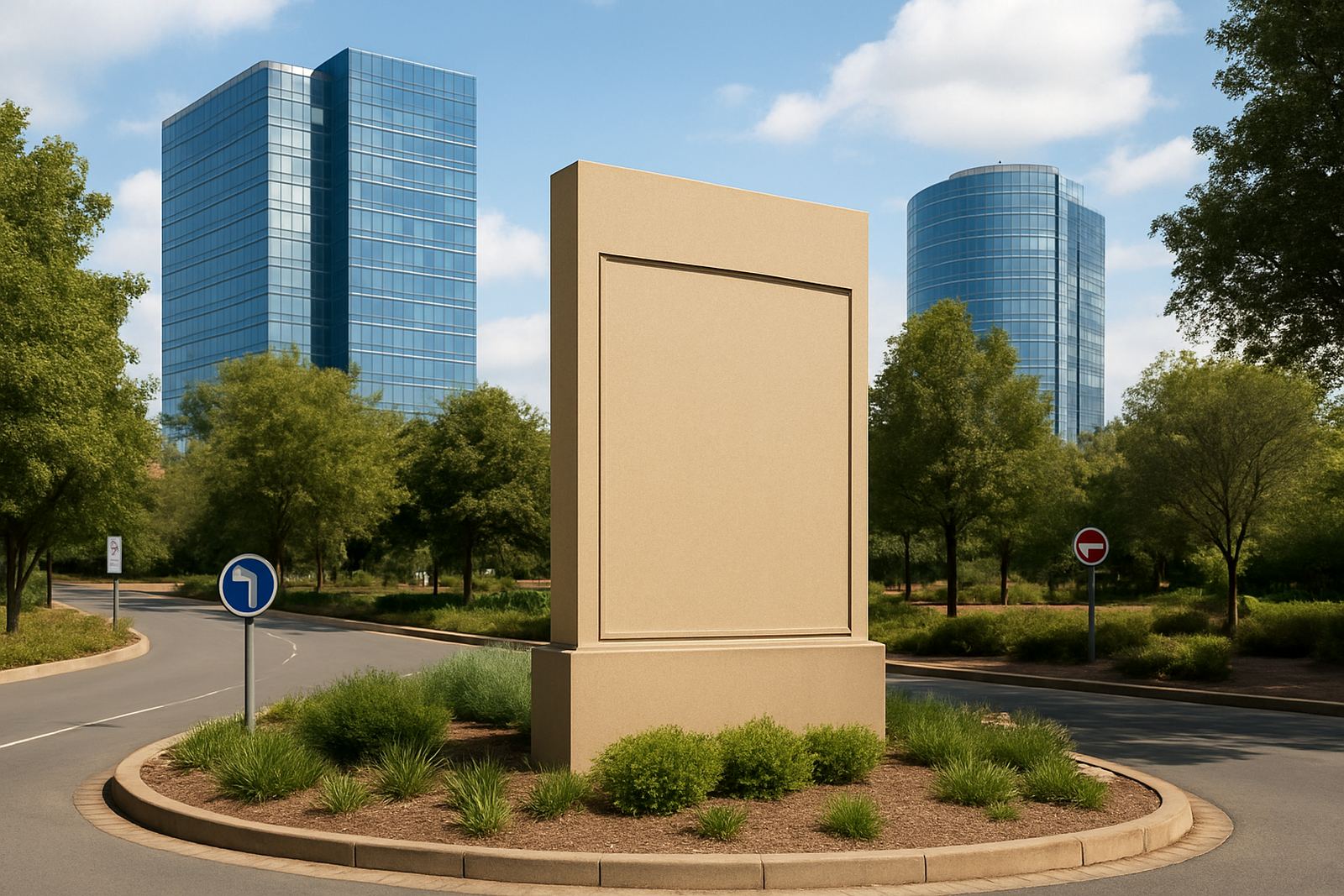
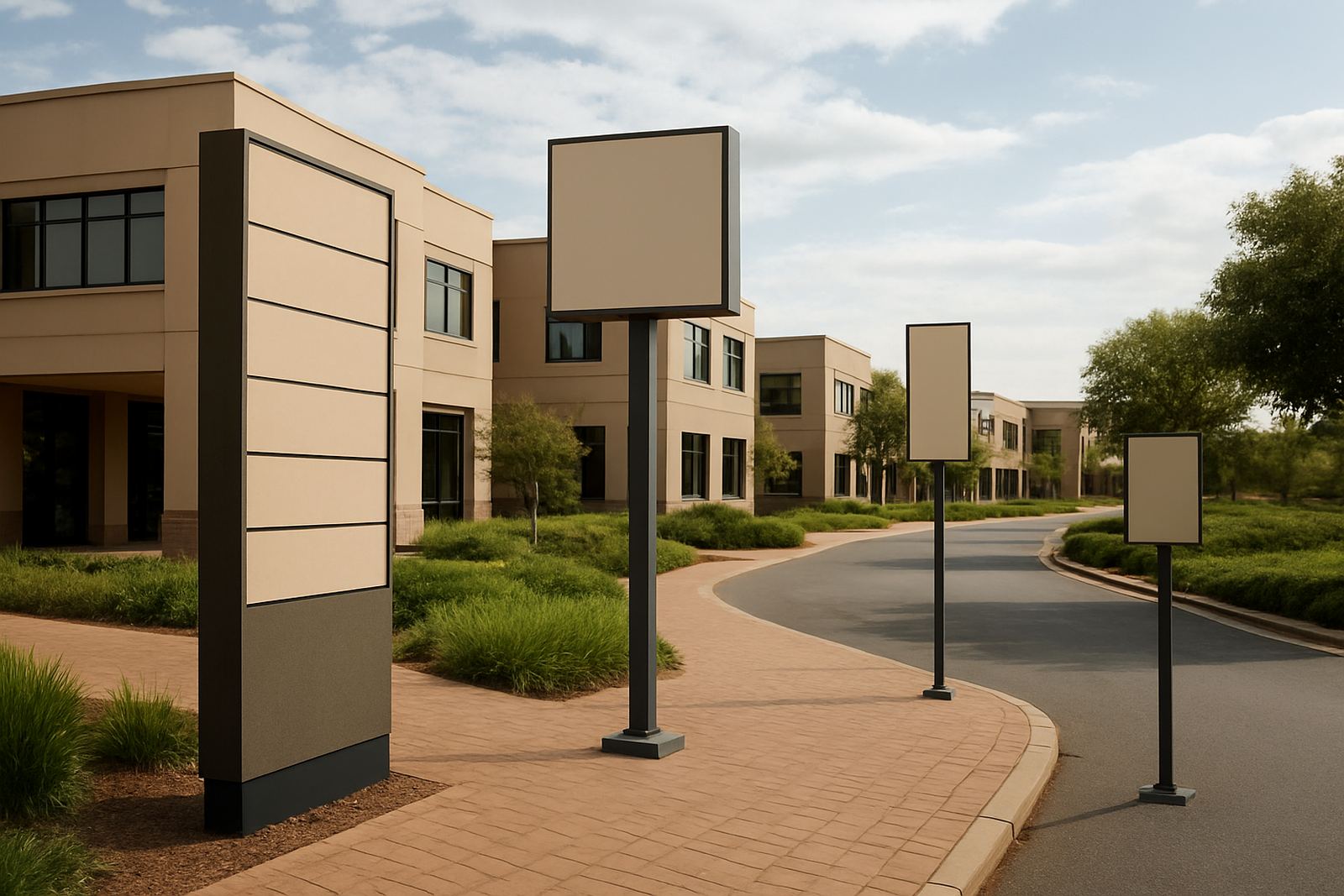
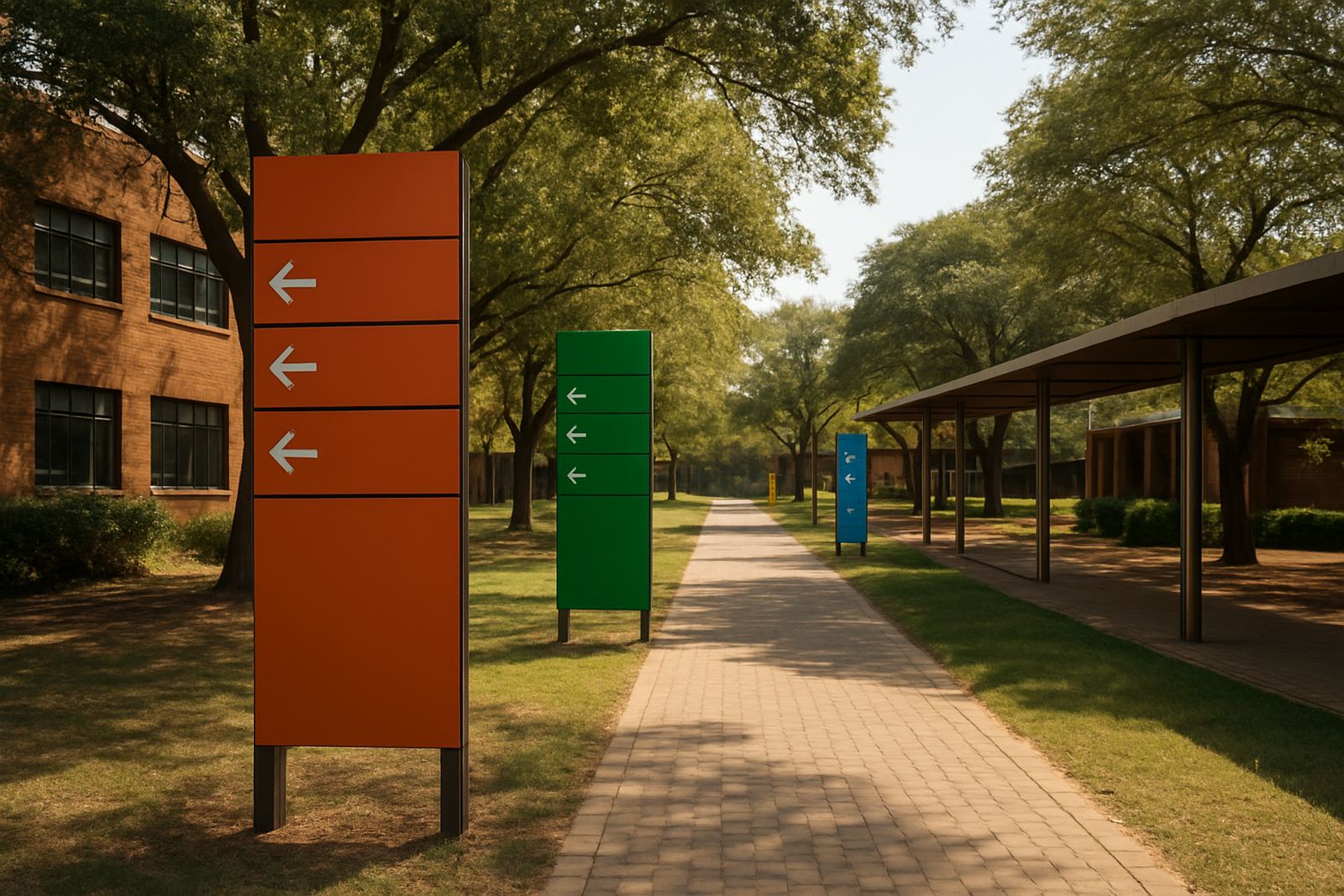
We often support mixed-use estates, industrial parks and residential developments with entry statements, directional signs and internal wayfinding. These jobs usually involve a mix of materials such as aluminium, Perspex, vinyl and powder-coated steel, with finishes chosen for coastal humidity, high UV exposure or heavy traffic wear. In Johannesburg and surrounding areas, the detail matters because the site has to stay readable after dust, rain and months of sun.
- Estate gateway signs with illuminated or non-illuminated faces
- Directional signs for parking, entrances, loading bays and visitor routes
- Unit and block identification for phased developments
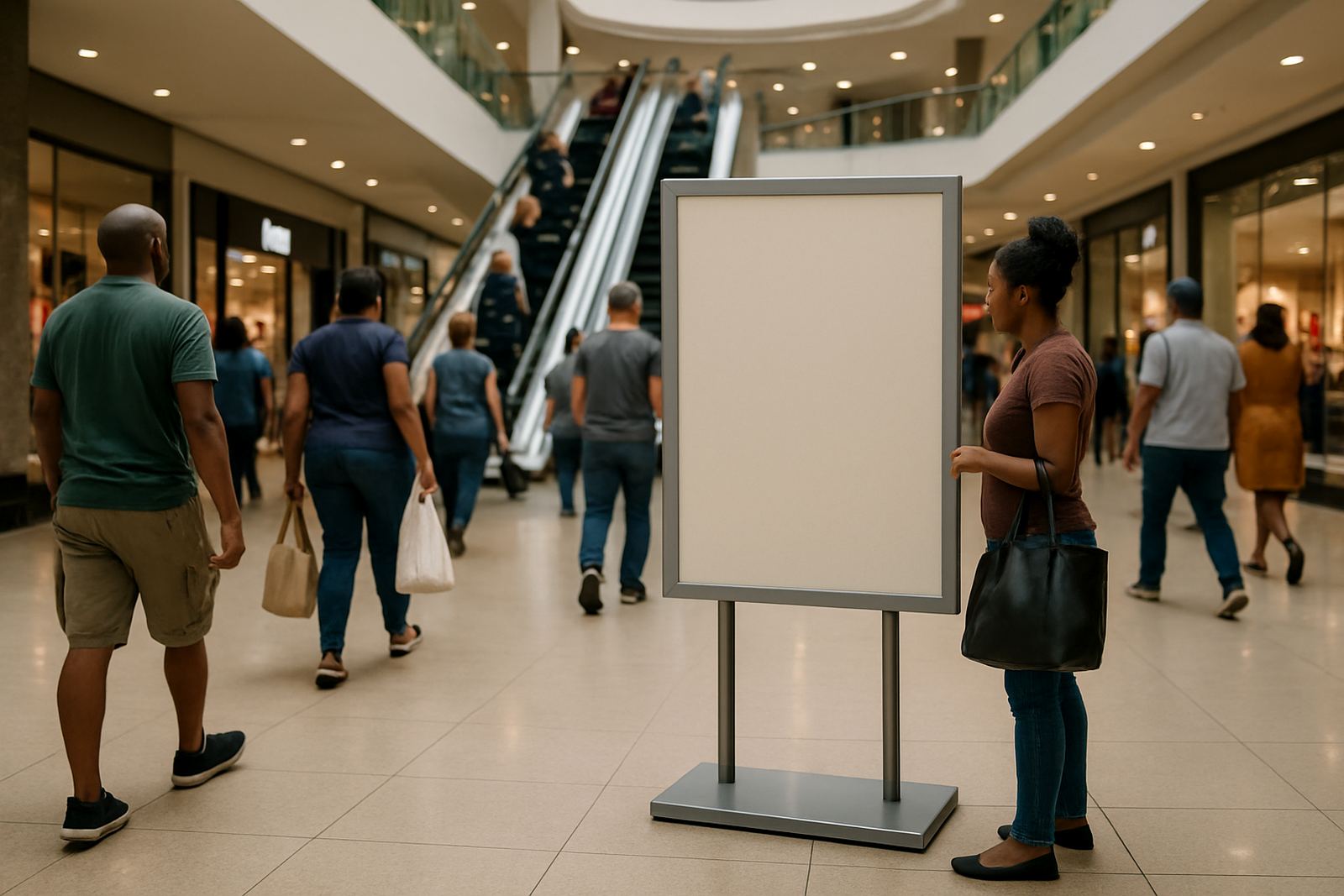
- Map boards and notice points for public access areas
We also look at access for installation trucks, lifting gear and any night-time restrictions, so the install does not hold up the project programme.
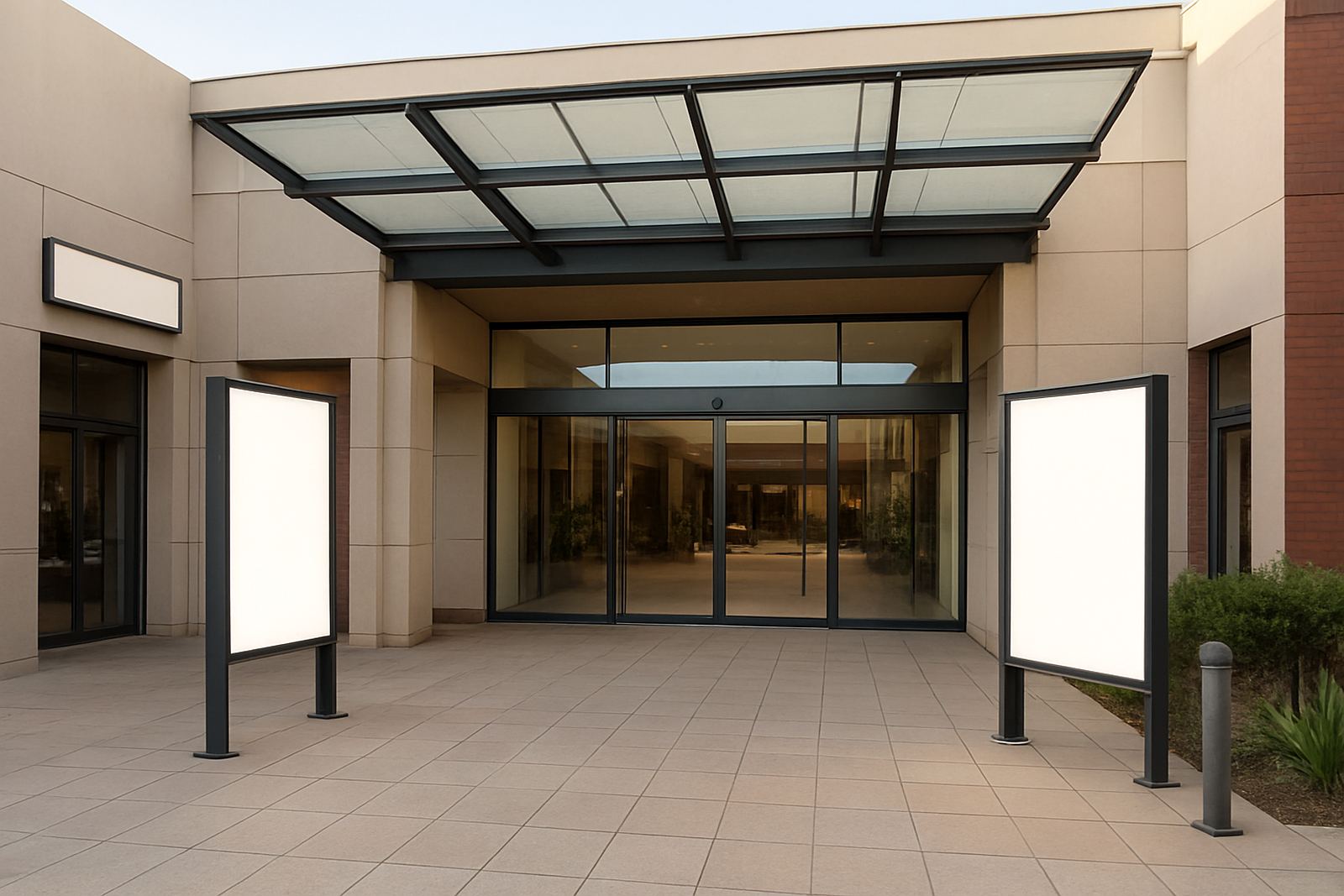
Retail fronts, commercial buildings and branded facades
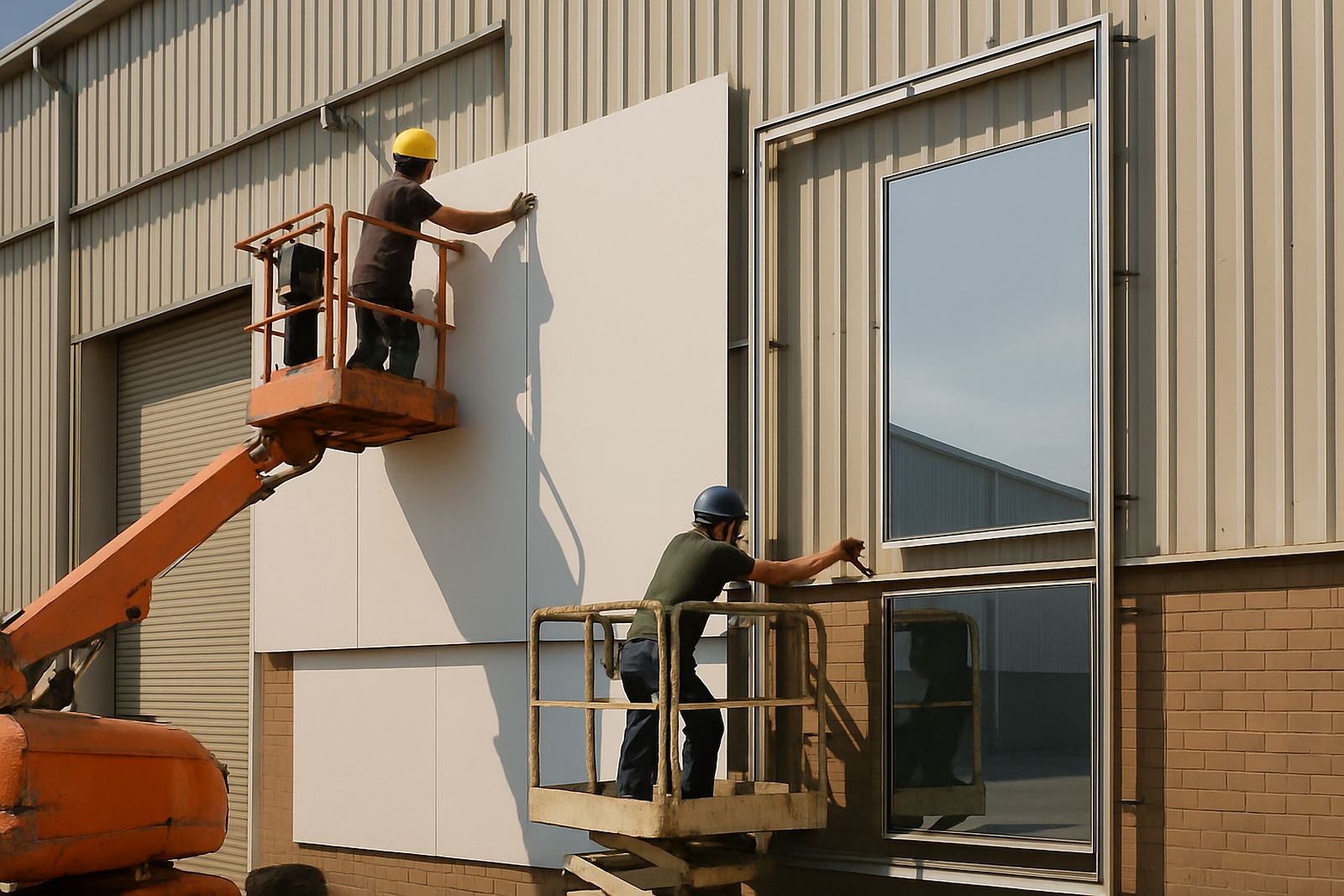
Retail and office projects often need a balance between visibility and approval limits. A sign may have to fit a strict fascia size, align with landlord rules and still carry enough presence from the road or parking area. In these cases we coordinate design development, material specification and installation sequence so the sign sits properly on the building and can be serviced later.
Common work in this category includes routered lettering, light boxes, aluminium tray signs, brass detail elements and vinyl applied to glass or cladding. For shopping centres and office parks, we often phase the work around trading hours and tenant access, which keeps disruption to a minimum and helps the handover go smoother.
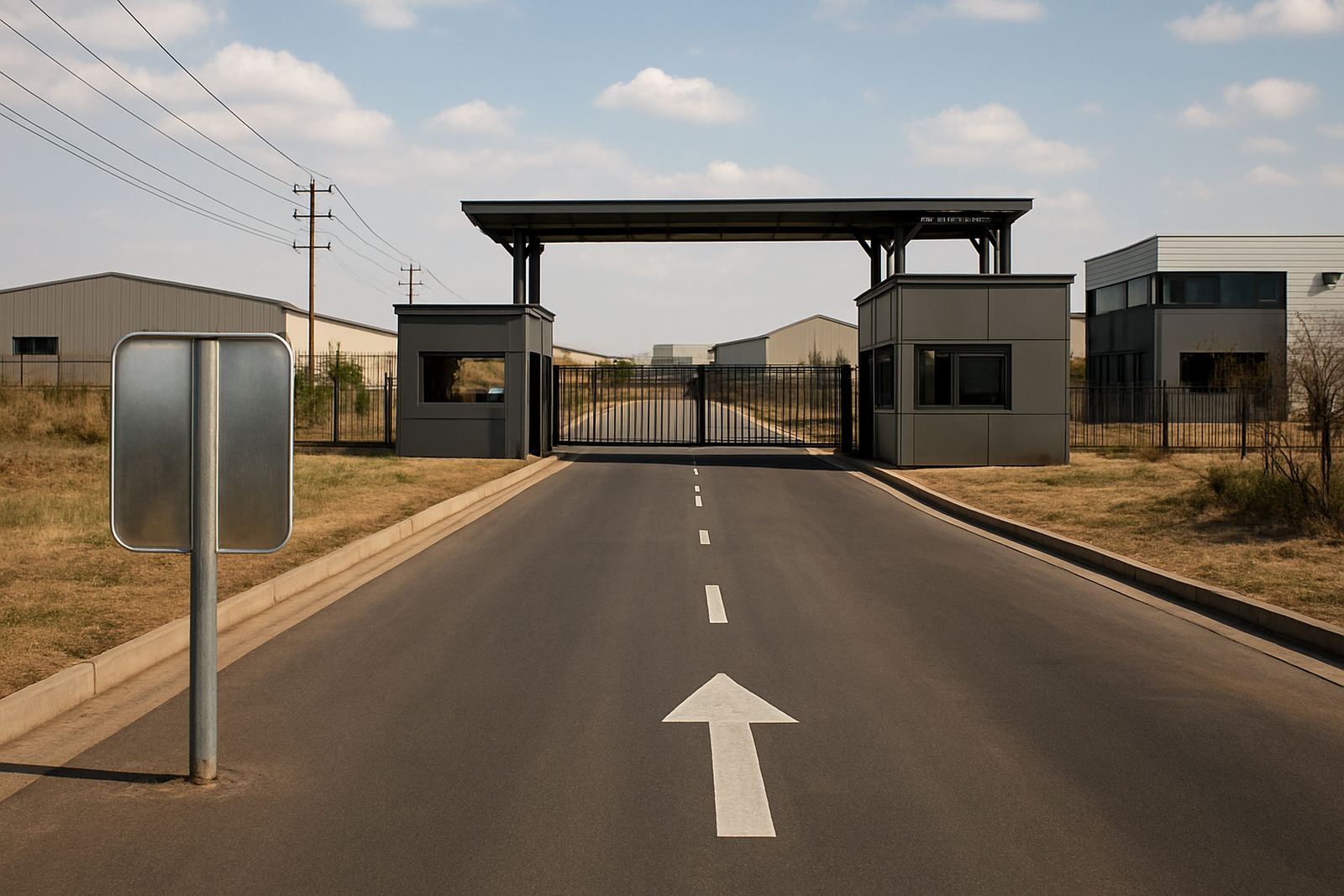
Roadside pylons, billboards and traffic-facing signs
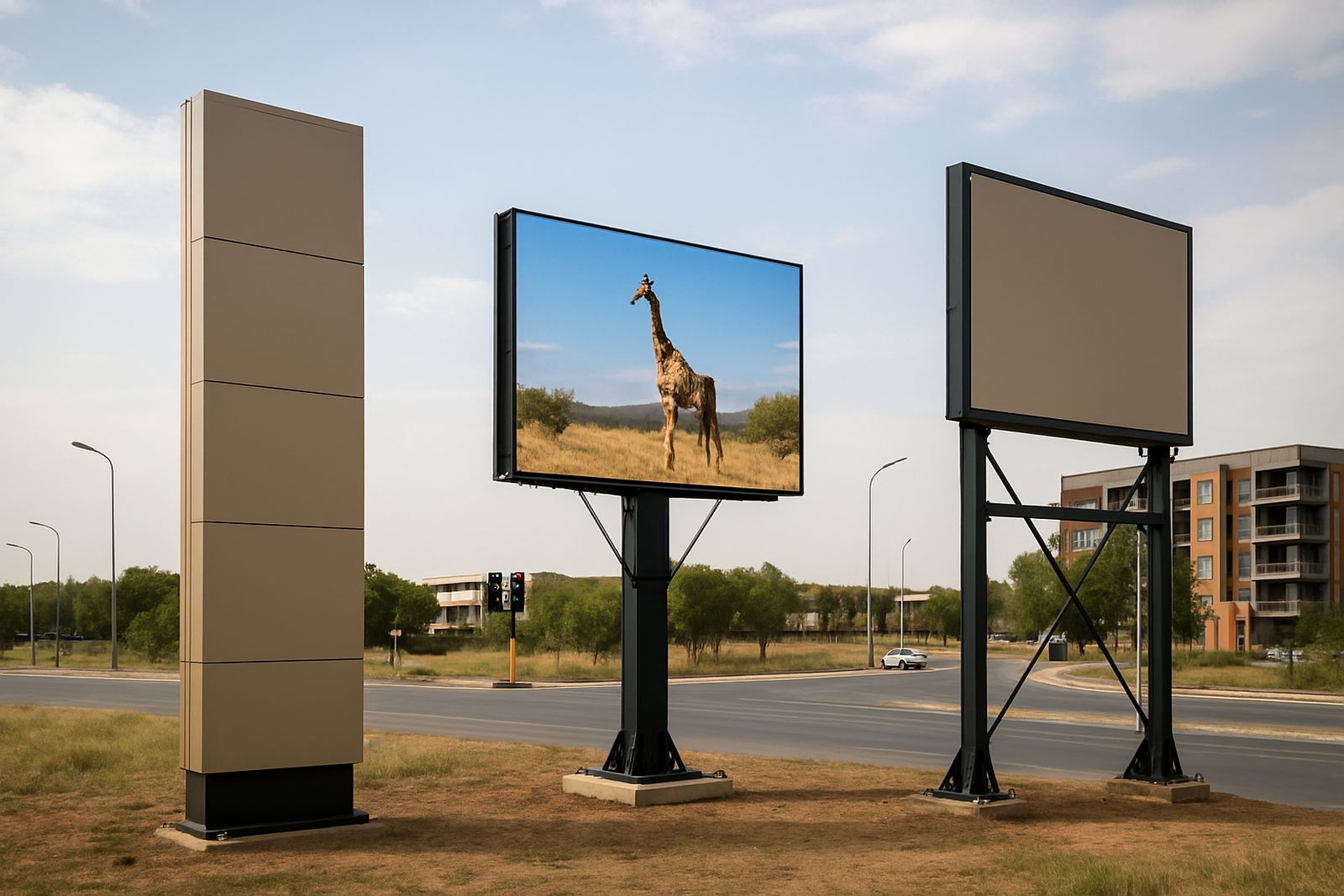
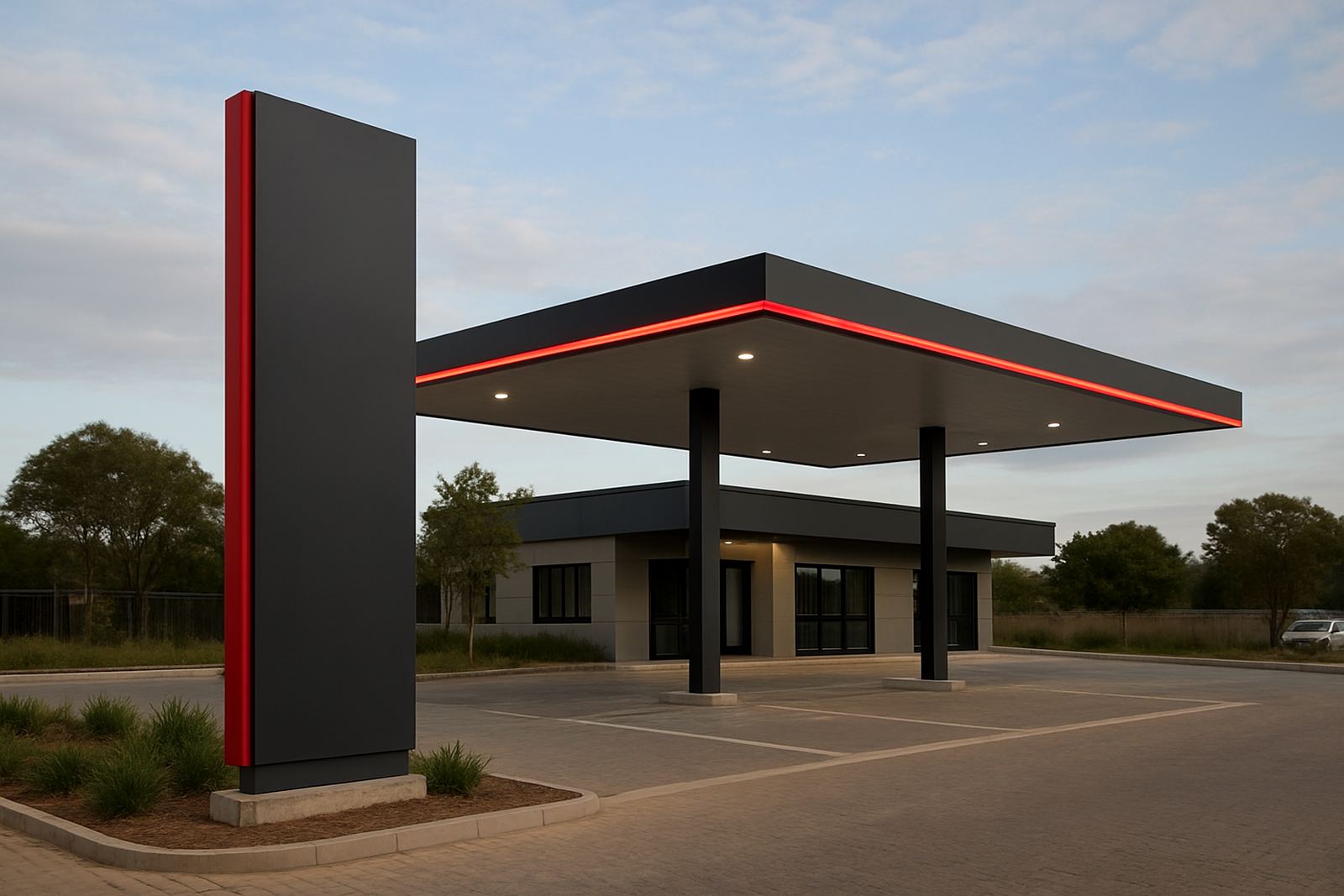
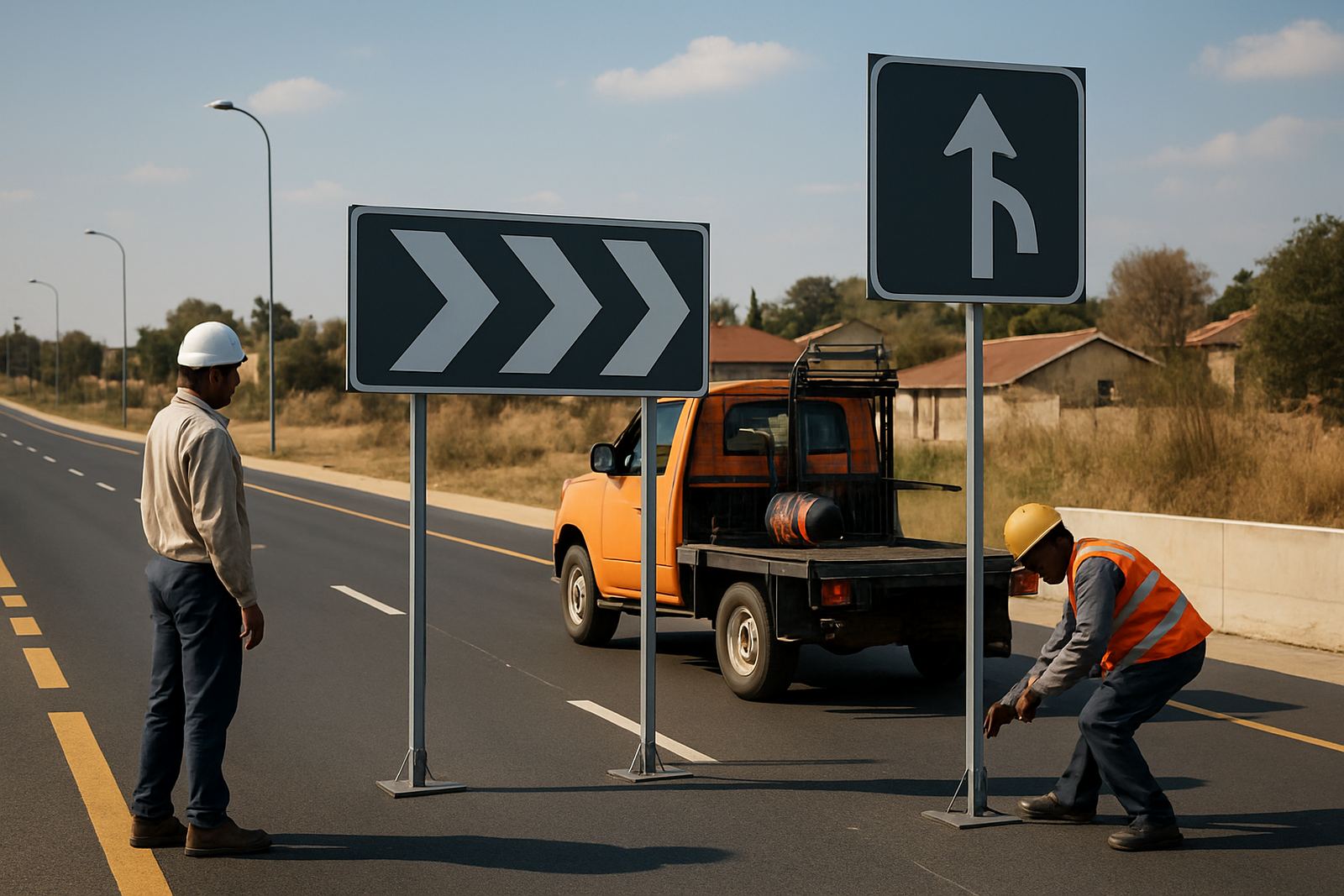
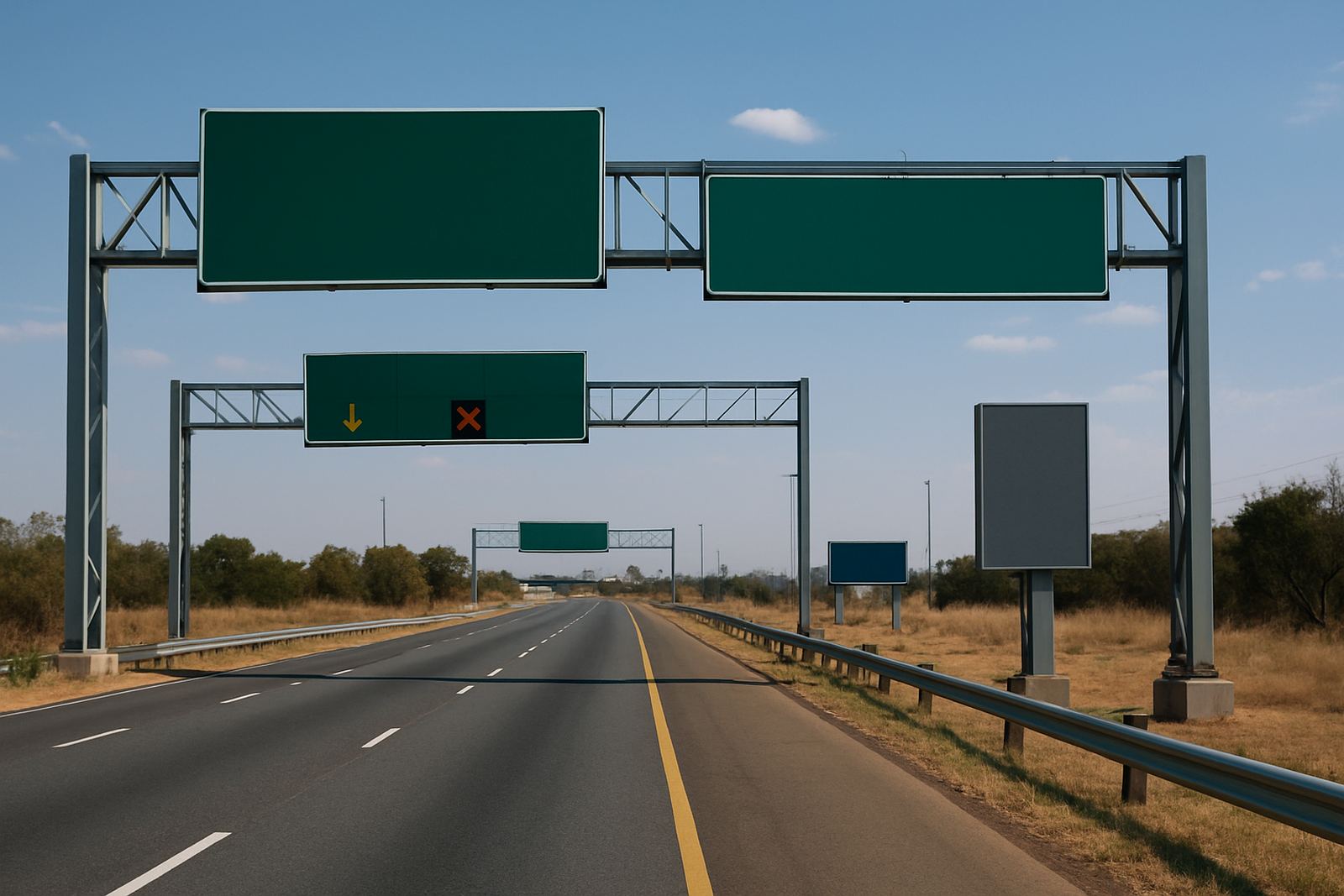
Road-facing signage needs more than size. It needs structural checks, correct footing details, and a clear understanding of sightlines, servitude lines and local approval requirements. In Gauteng, and in outlying provincial routes, wind loading and vehicle approach speed both affect the final specification. We treat these jobs as engineering-led signage, not just graphic output.
Typical assignments include pylon signs, gantries, free-standing road signs and large-format billboards. Depending on site access, we may need crane lifts, lane closures or after-hours rigging, especially where the install sits near live traffic. That planning is built into the job from the start, not added at the last minute.
LED video screen projects and digital display integration
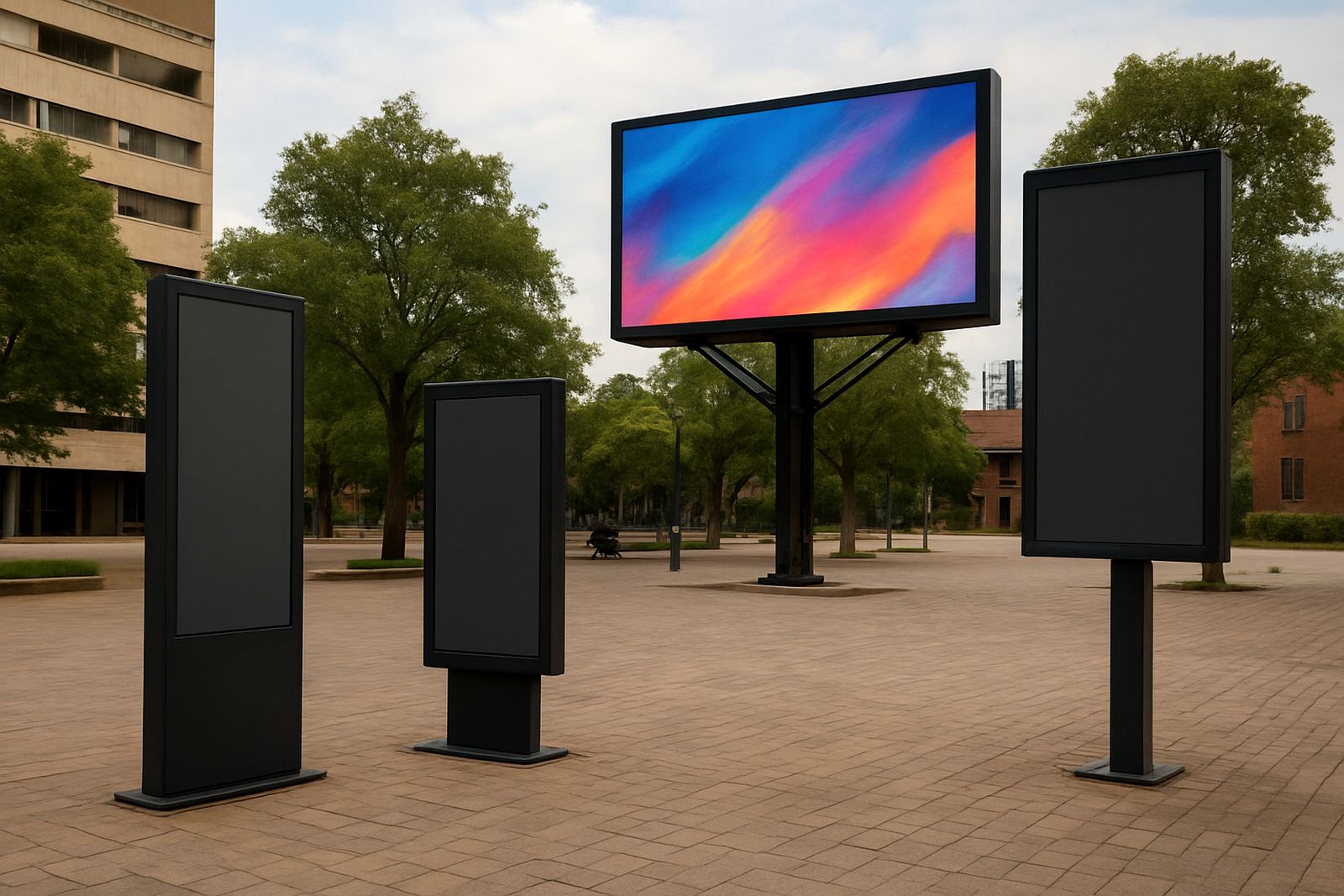
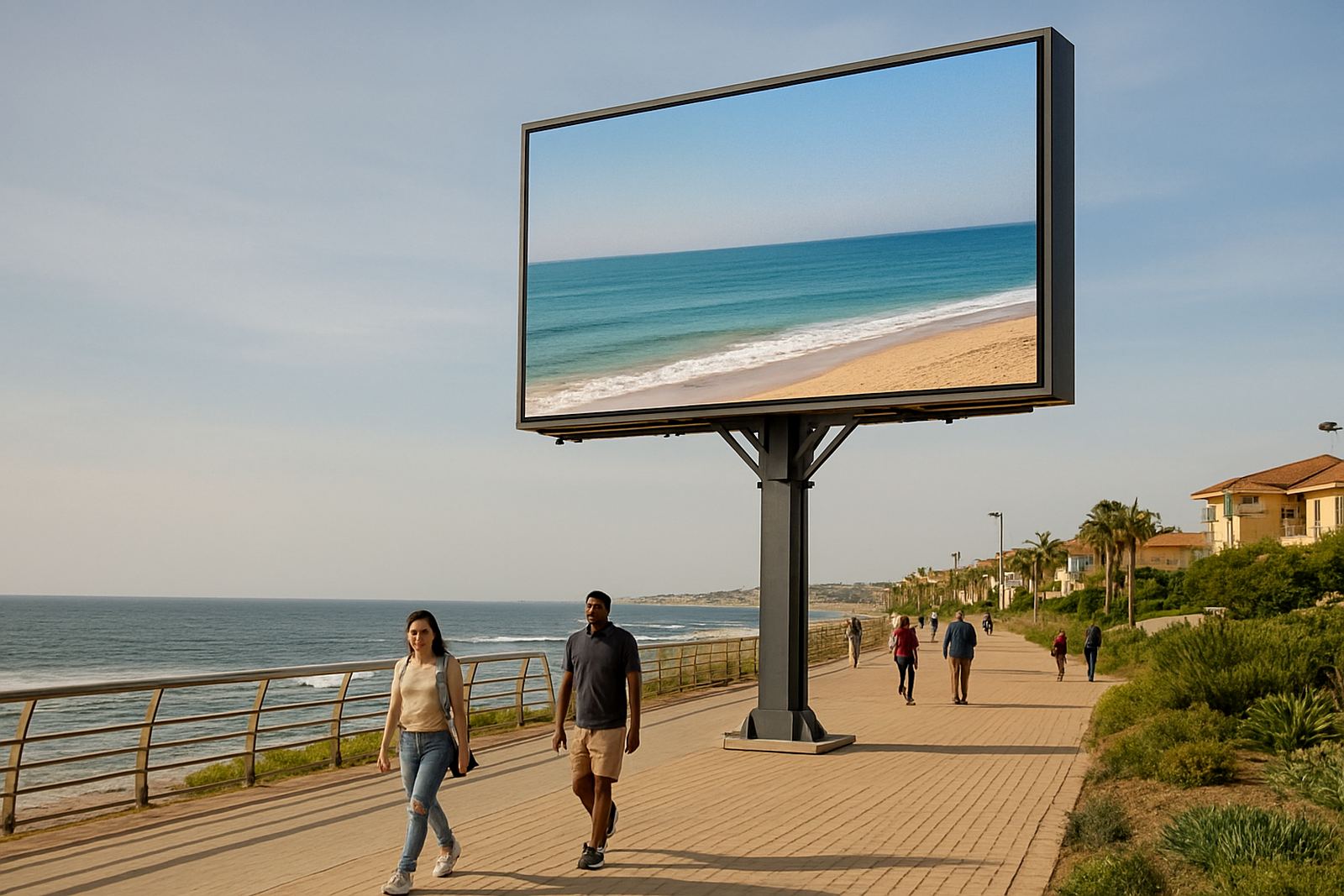
Our digital display work covers screen placement, support structure coordination, service access and practical maintenance planning. For developers, municipalities and event-led environments, the screen is only one part of the job. You also need cable routes, ventilation, weather protection and a way to reach the unit when it needs servicing or a module replacement.
- Indoor and outdoor LED screen integration
- Viewing height and angle checks for public-facing sites
- Power and access coordination with the electrical team
- Maintenance planning for safe future servicing
These projects are often schedule-sensitive and must run around power availability, live site operations and weather windows. If the screen is going onto a façade or a custom frame, we also review the load path and fixing points before fabrication begins.
What shapes a successful project delivery
Across all project types, the same basics decide whether a job lands well or becomes a headache. Site survey, approvals, structural coordination, fabrication management and installation management all need to line up. When one step is rushed, the impact usually shows up later as delayed delivery, visible defects or costly changes on site.
Our team works as a single chain from concept to handover. That means the design lead, project engineer, fabrication supervisor and rigging coordinator stay aligned on dimensions, finish, method and sequence. It also means we can deal with municipal notes, landlord conditions or site restrictions that change the scope midstream.
Choosing the right reference project for your brief
Match your brief to a project type rather than a single product. An estate gateway needs different thinking from an LED screen on a busy roadside, and a wayfinding package needs different controls from a one-off illuminated sign. The best reference is the project that shares your access conditions, programme and visibility goals.
Use the enquiry form on our contact page if you want to discuss a project in Modderfontein, Sandton, Midrand, Randburg, Germiston, Pretoria, Centurion, Durban or elsewhere in Africa. We can help you define the scope, confirm the materials and map out the next steps before the work goes into production.