






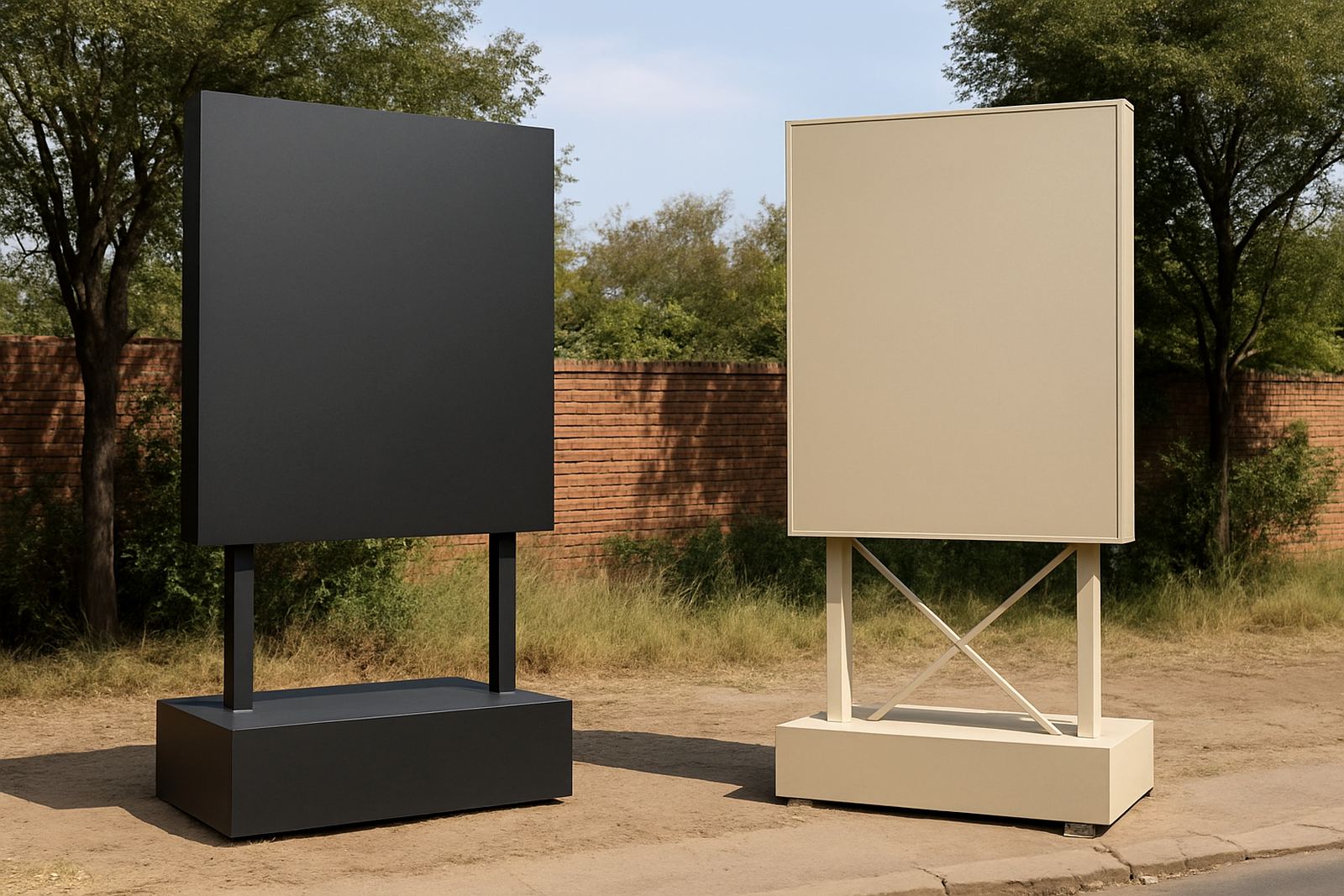
How to choose the right signage article for your project
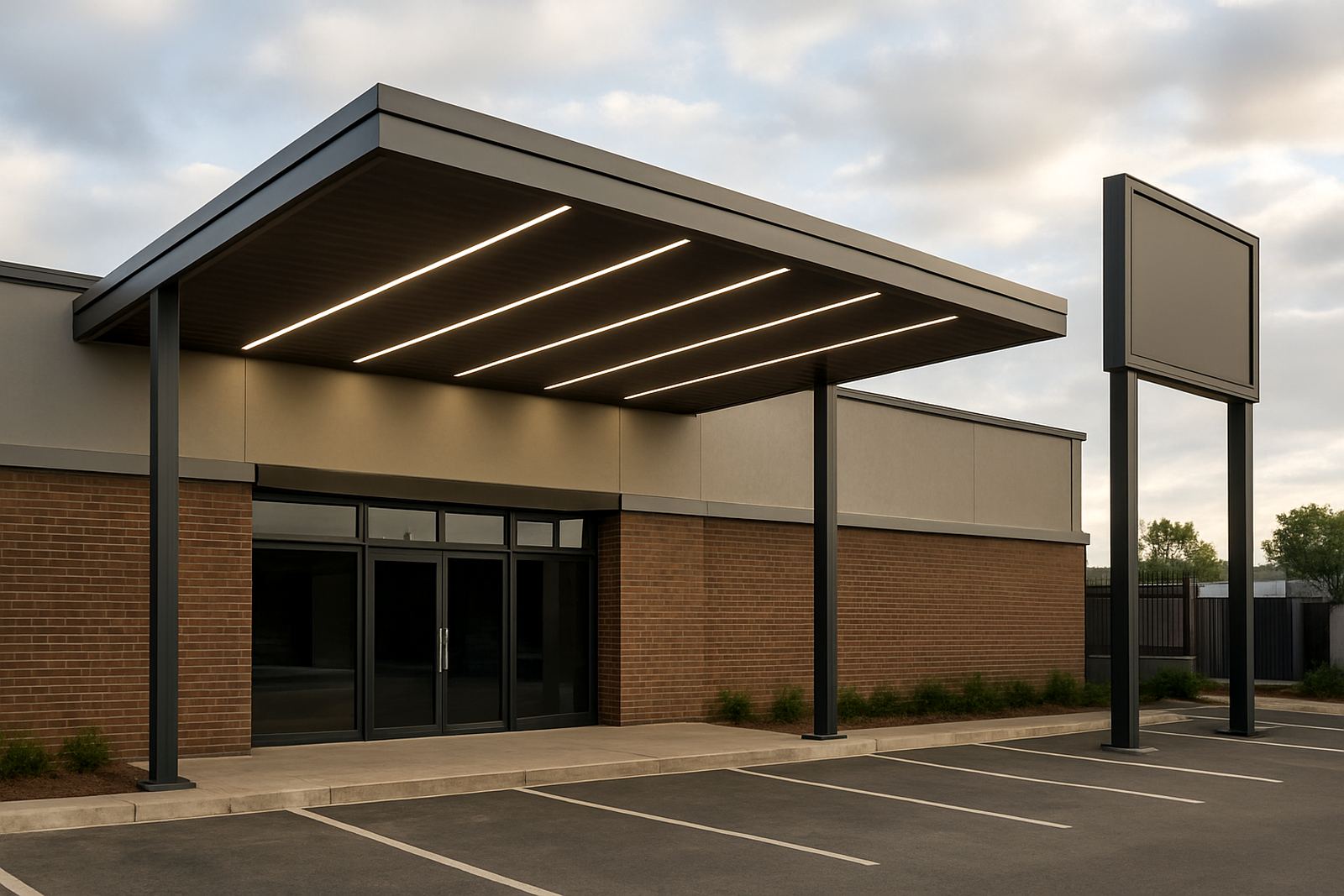
Start with the site problem that needs solving. A retail centre in Sandton may need tenant branding and wayfinding, while a municipality in Pretoria may need clearer road signs, standardisation and approval support. If the site has poor night visibility, power interruptions or coastal humidity, the right article should help you think through those conditions before anyone orders steel, vinyl or electronics.
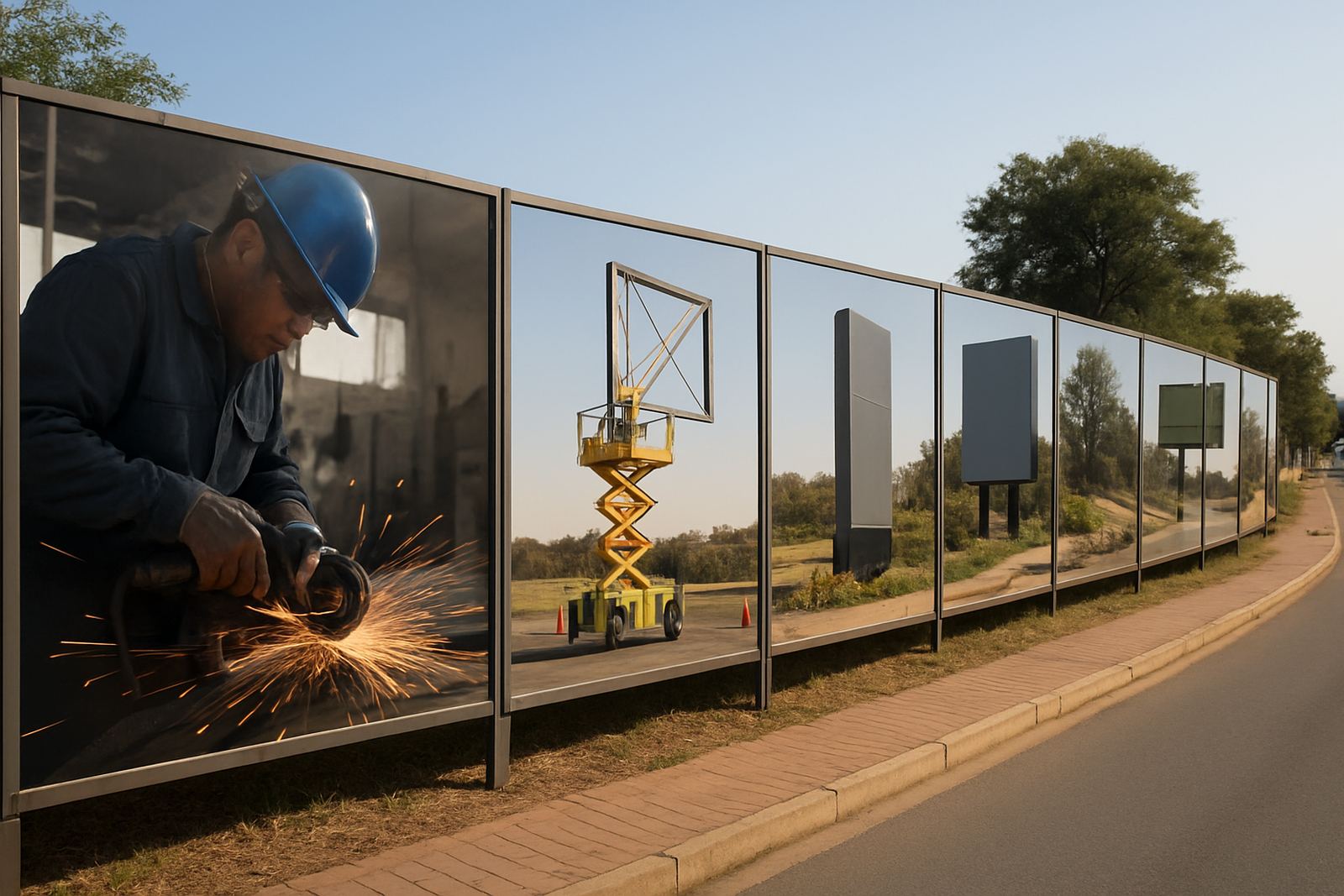
Narrow the decision by focusing on what matters most. Some articles focus on material selection, others on installation risk, site surveys, or the practical side of LED screens. Teams that need context can start with the topics that match their project and work through the details from there.
Materials and finishes that hold up in South African conditions
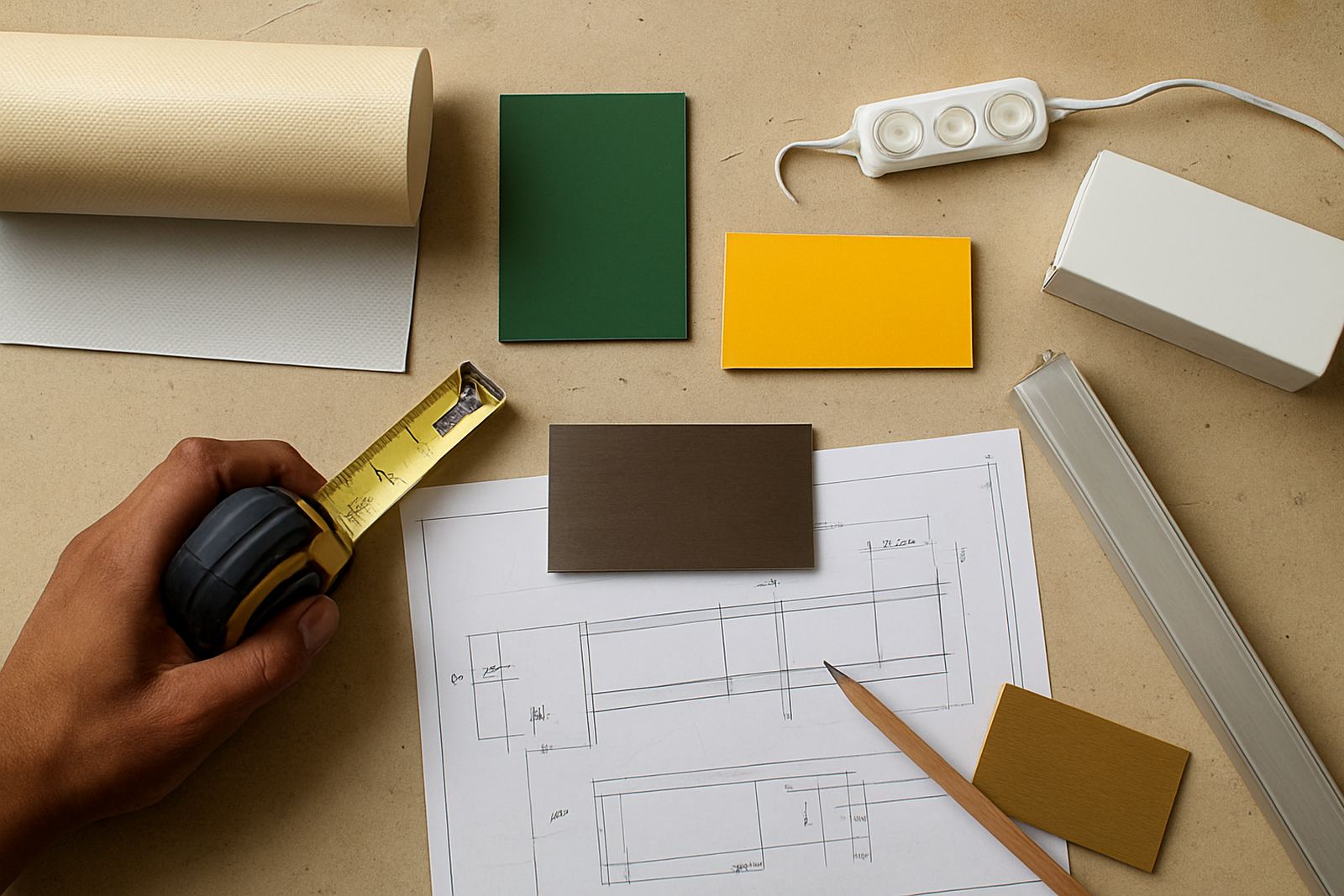
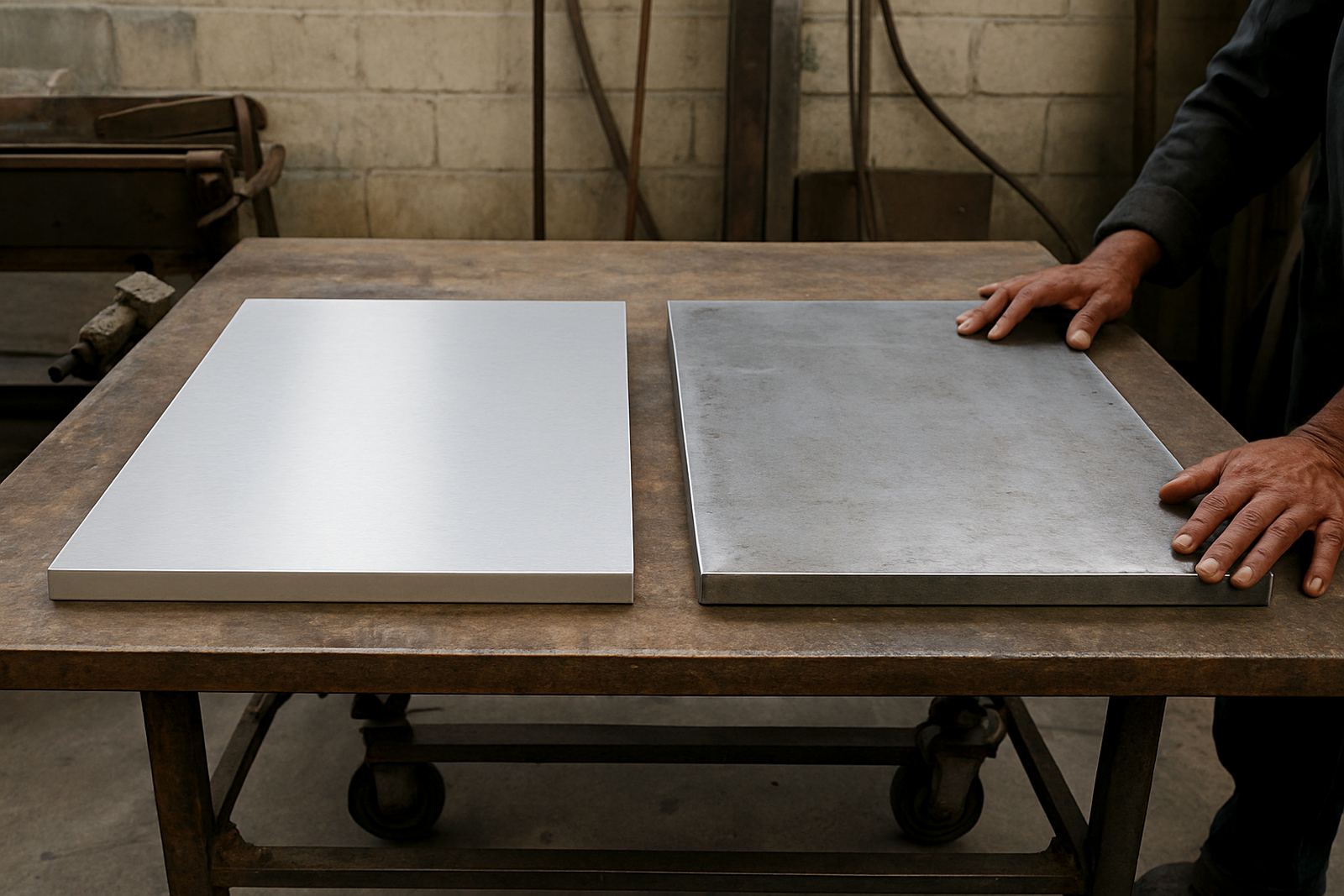
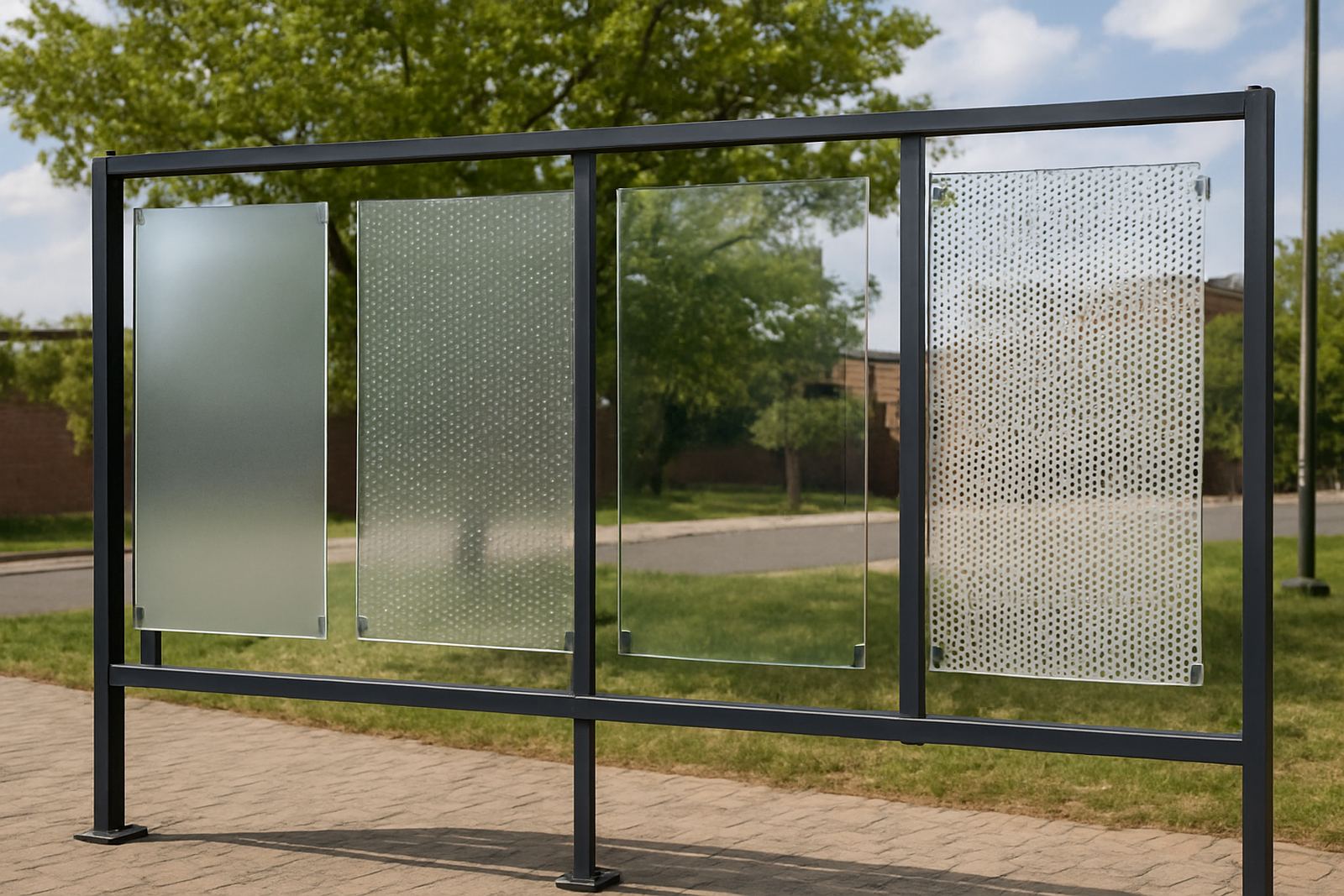
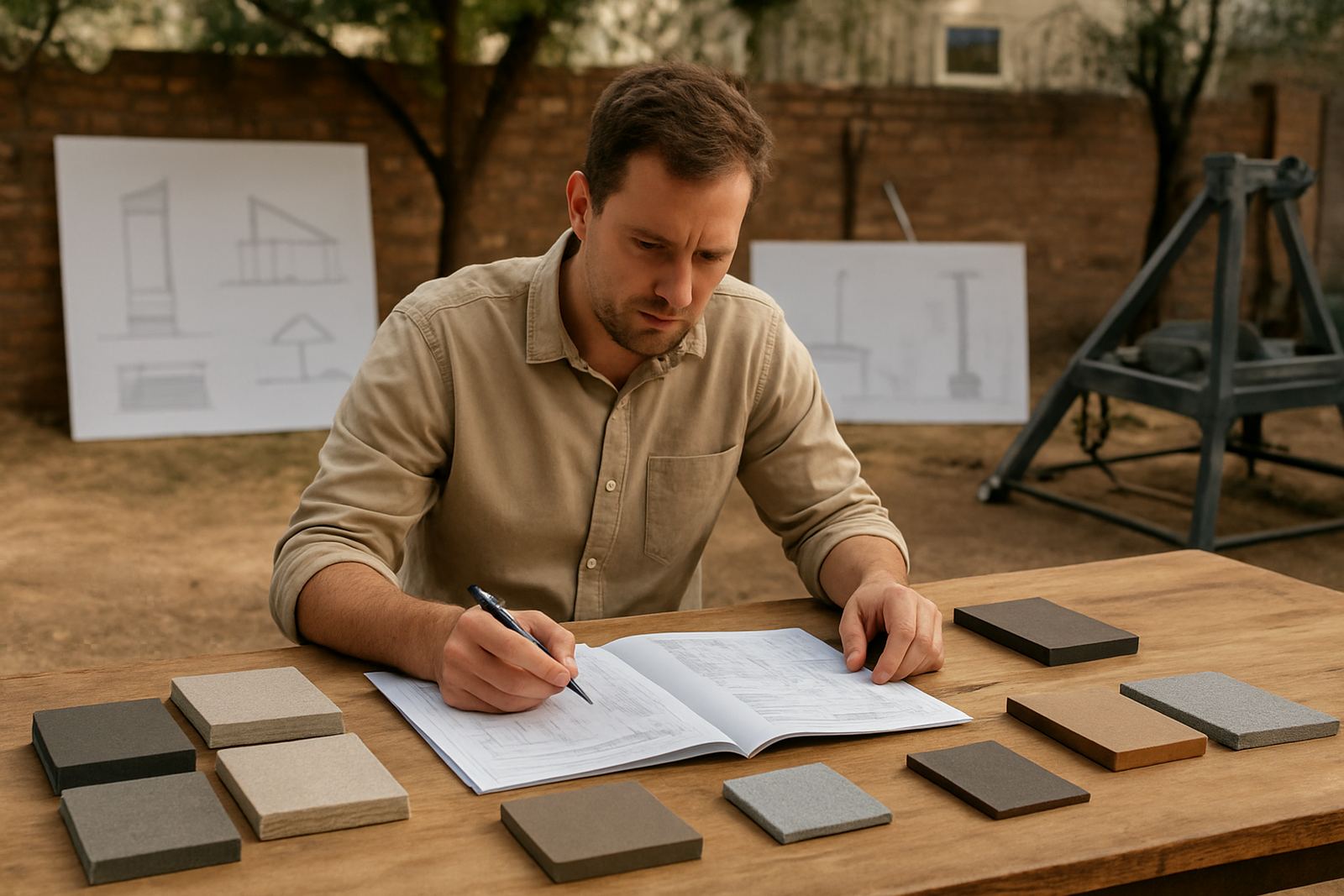
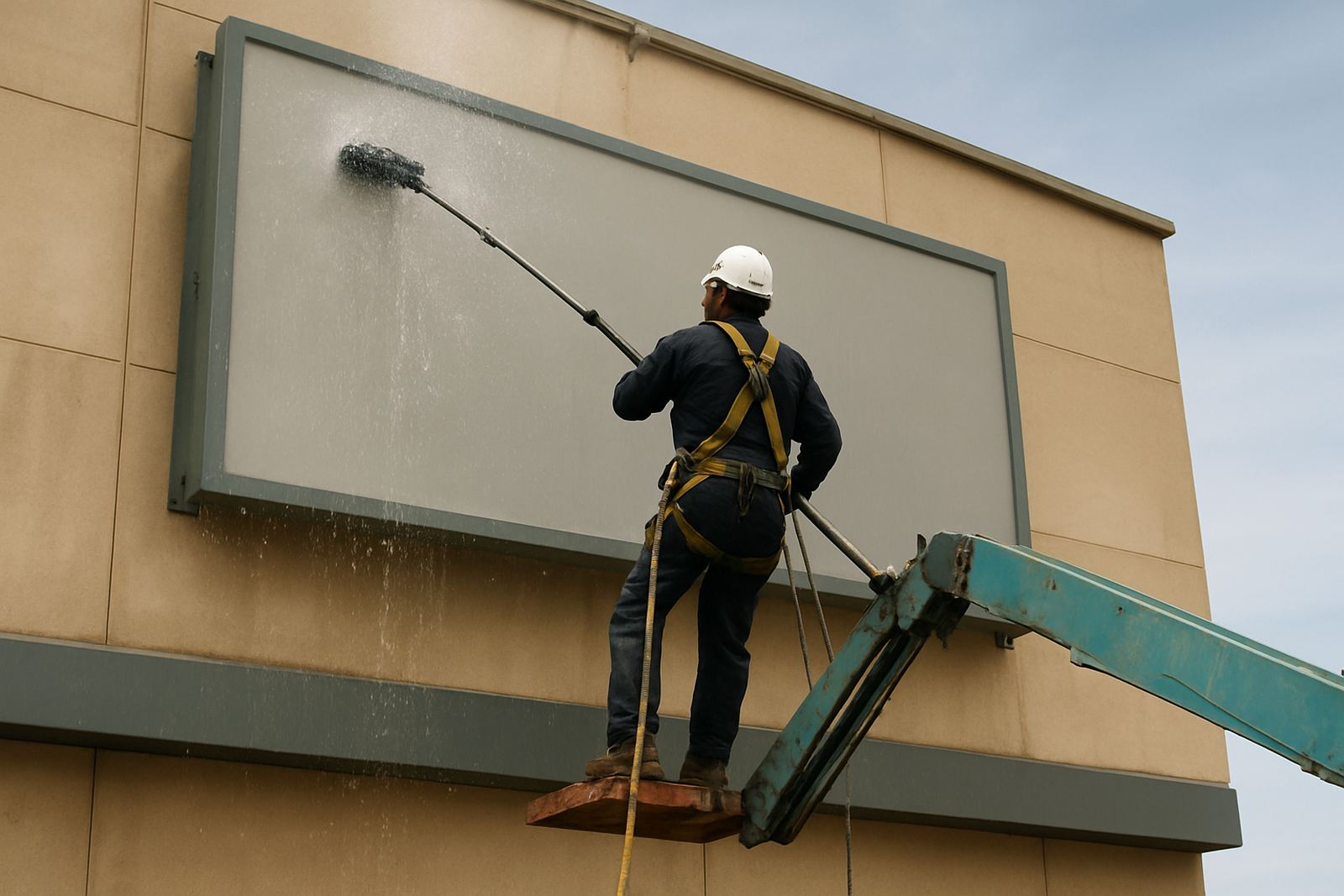
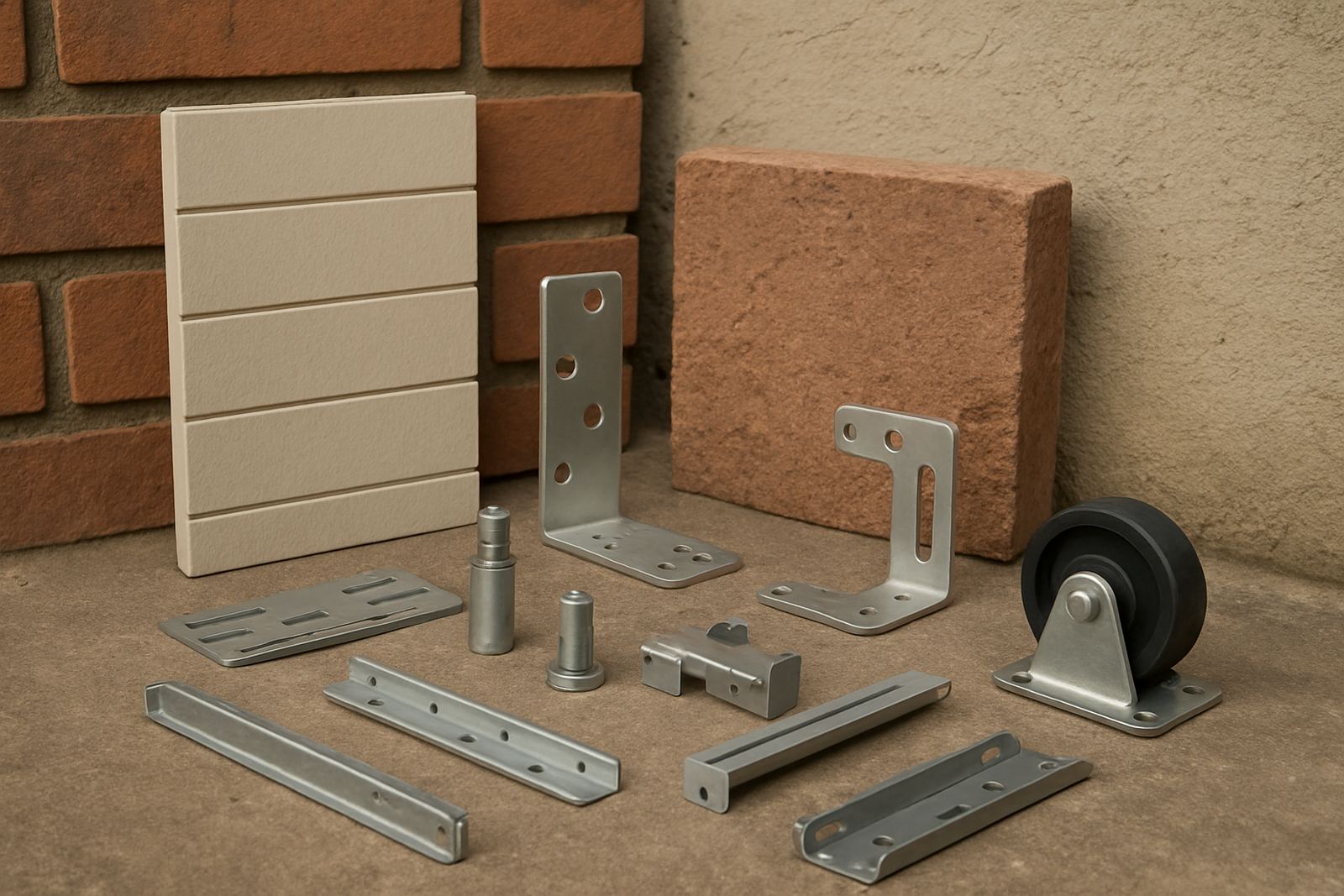
Material choice is rarely about looks alone. It affects weight, corrosion, fabrication time and how often a sign needs cleaning or repair. In Gauteng, dust and UV exposure can affect printed vinyl and painted finishes. In Durban, salt air and humidity make corrosion protection more important on metal frames, fixings and back-panels.
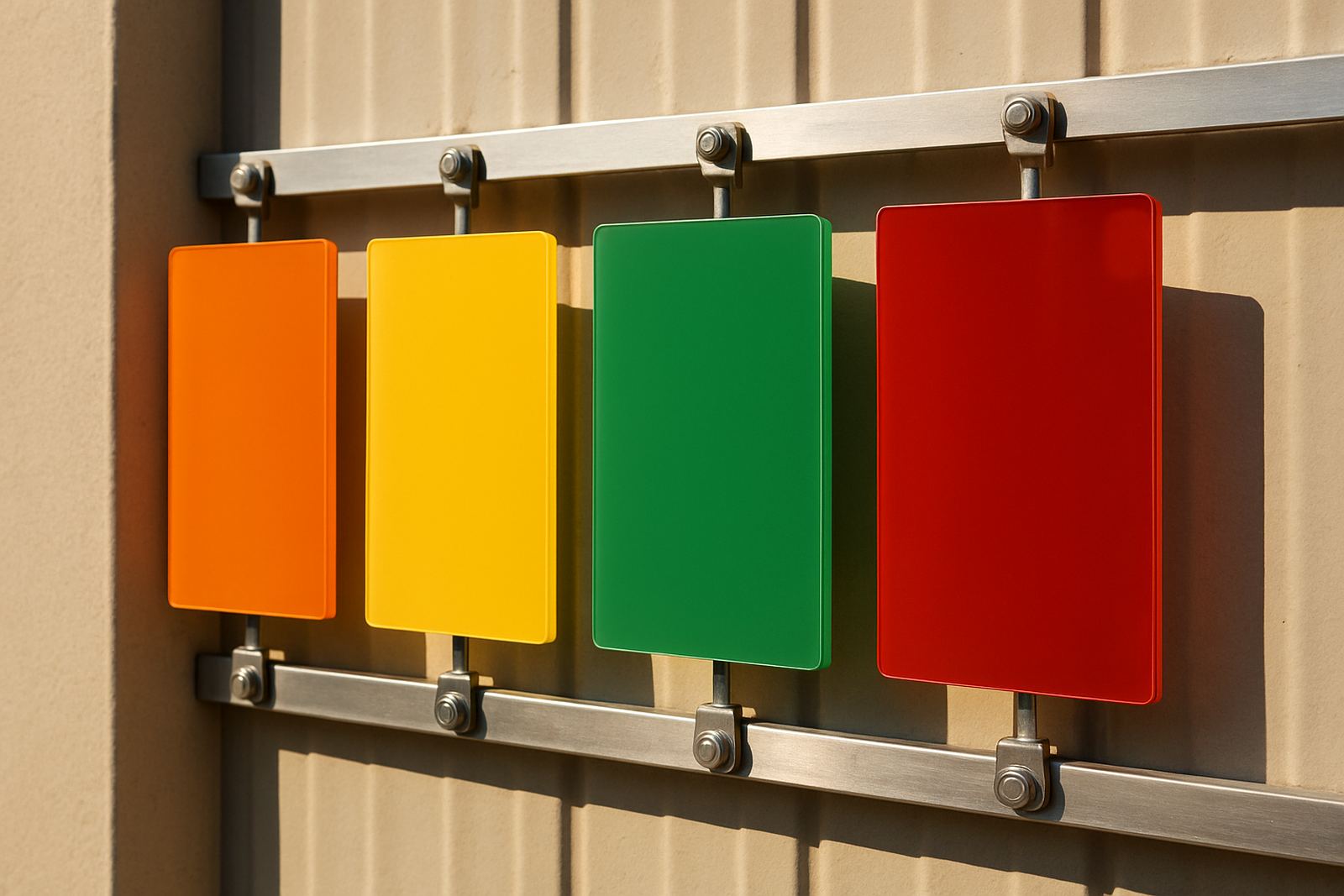
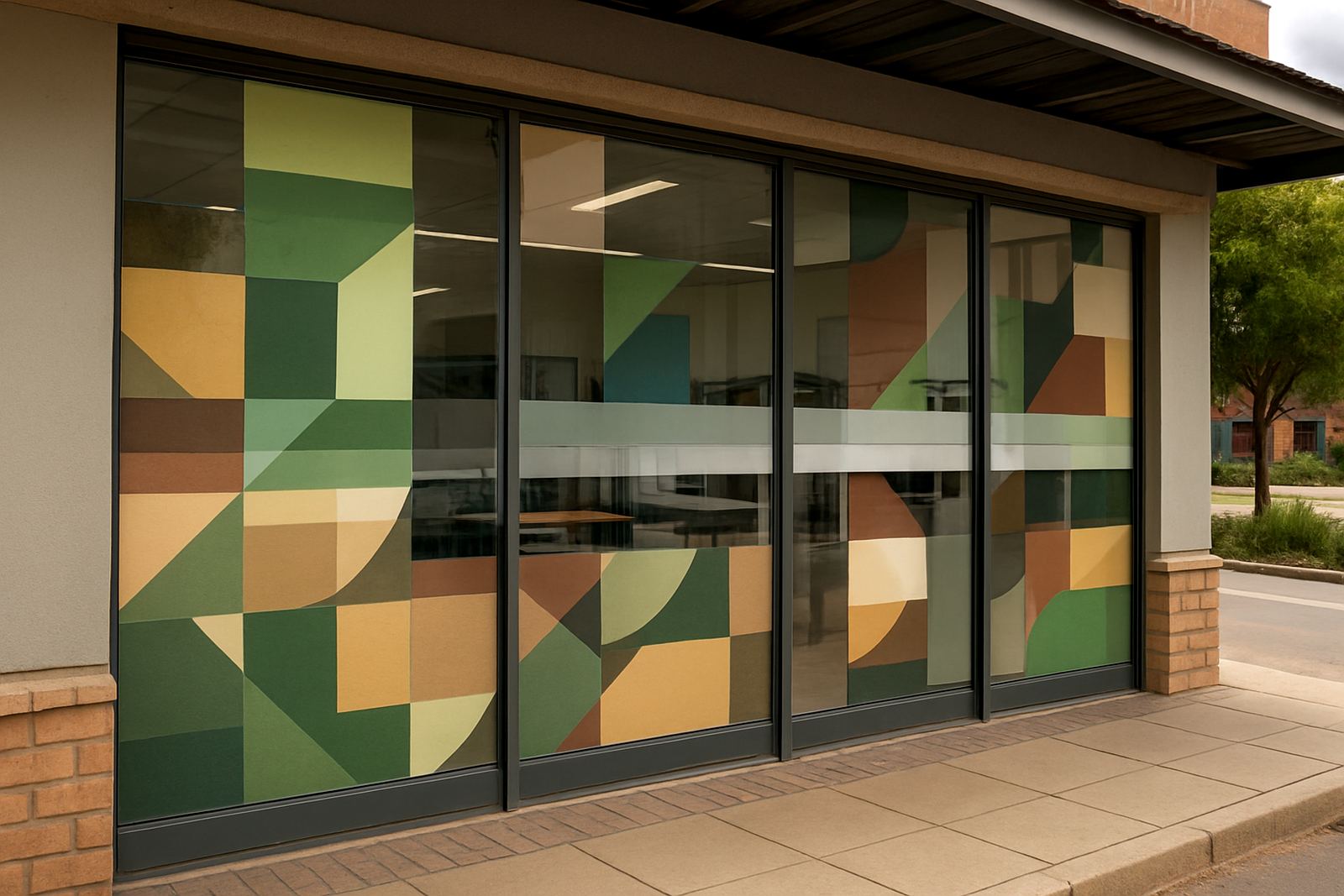
- Printed vinyl for short to medium term campaigns, directional graphics and shopfront promotions
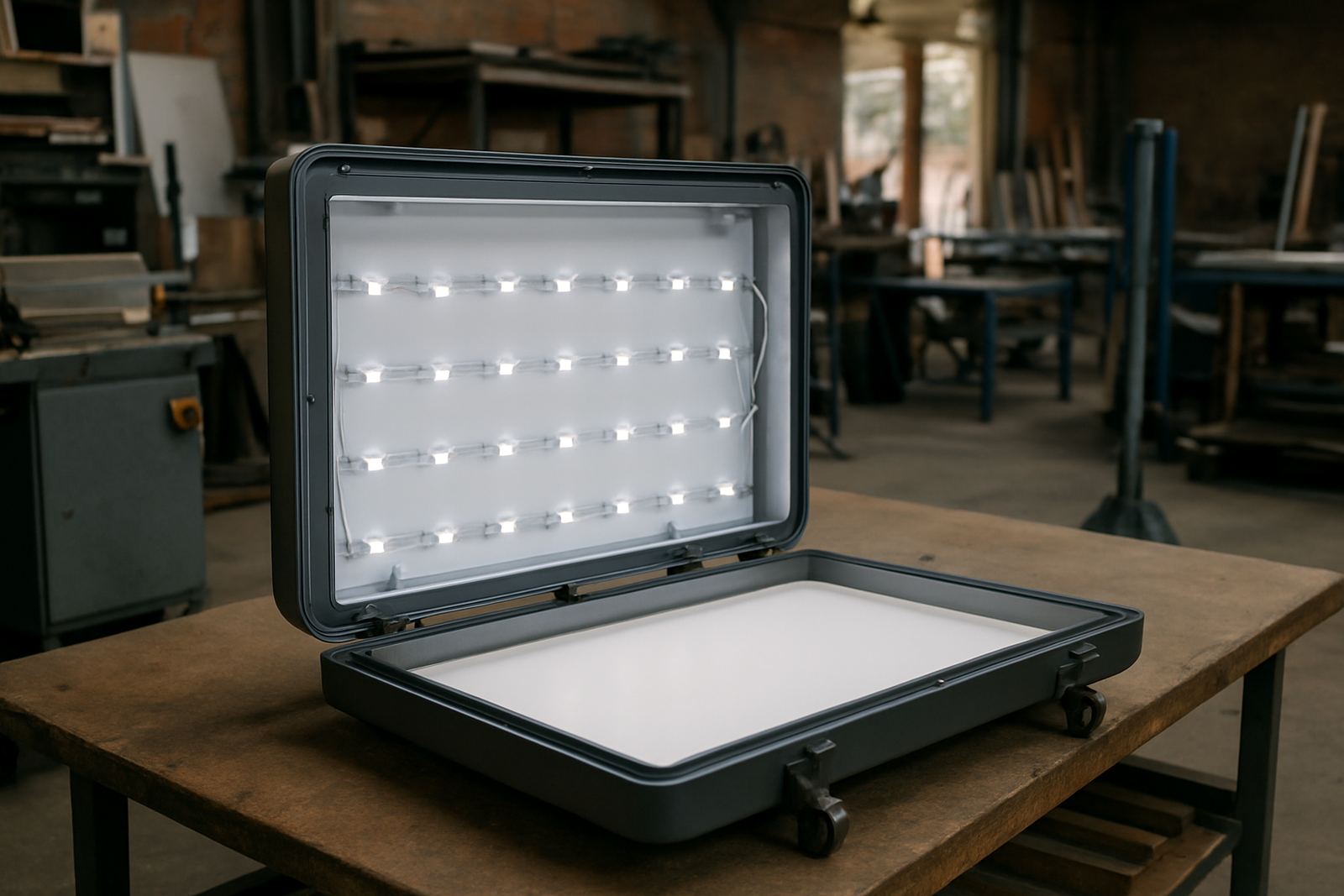
- Routered Perspex for clean cut lettering and illuminated details
- Aluminium for lighter weight panels and better corrosion resistance
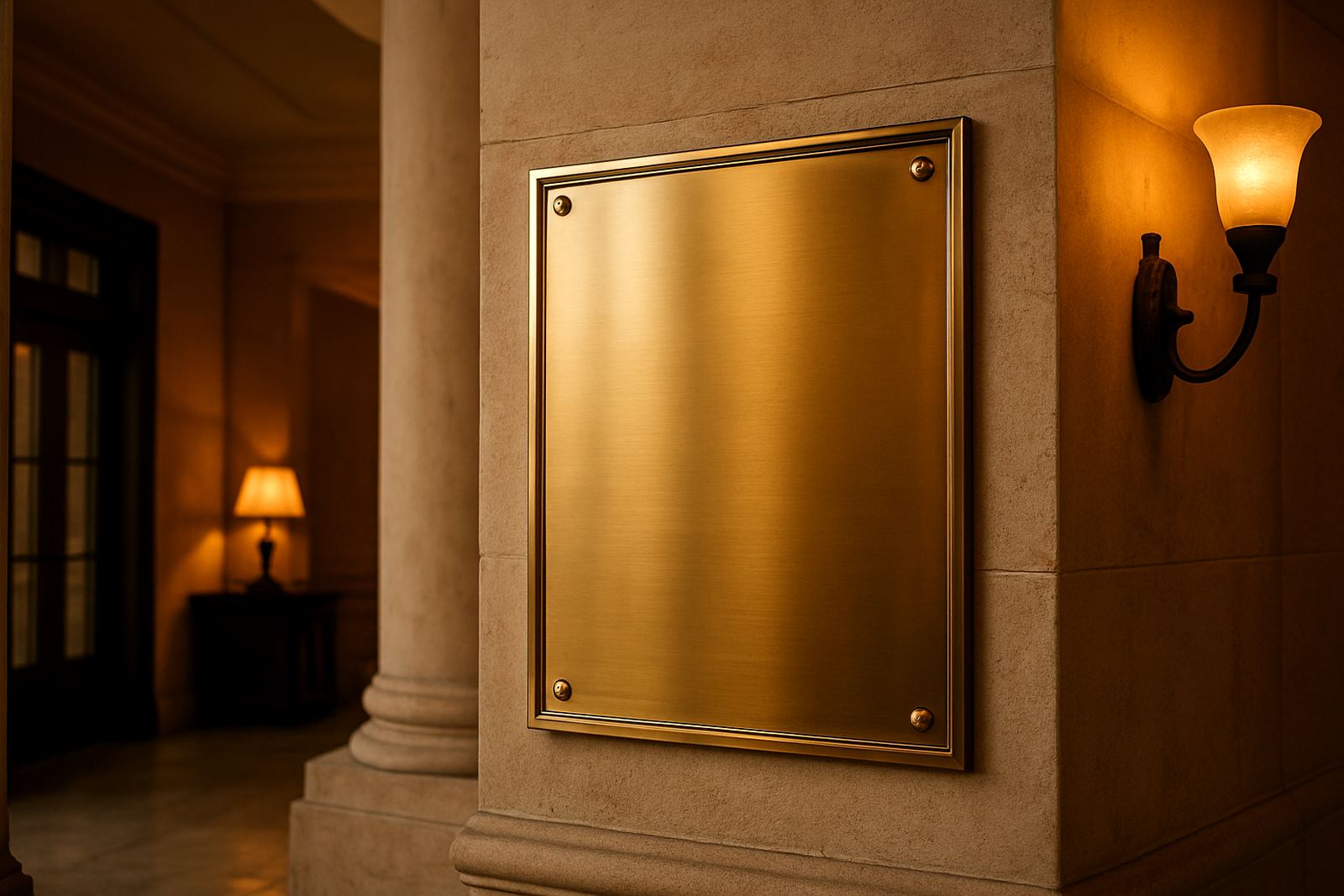
- Brass for premium finishes where the site can support a heavier, more formal look
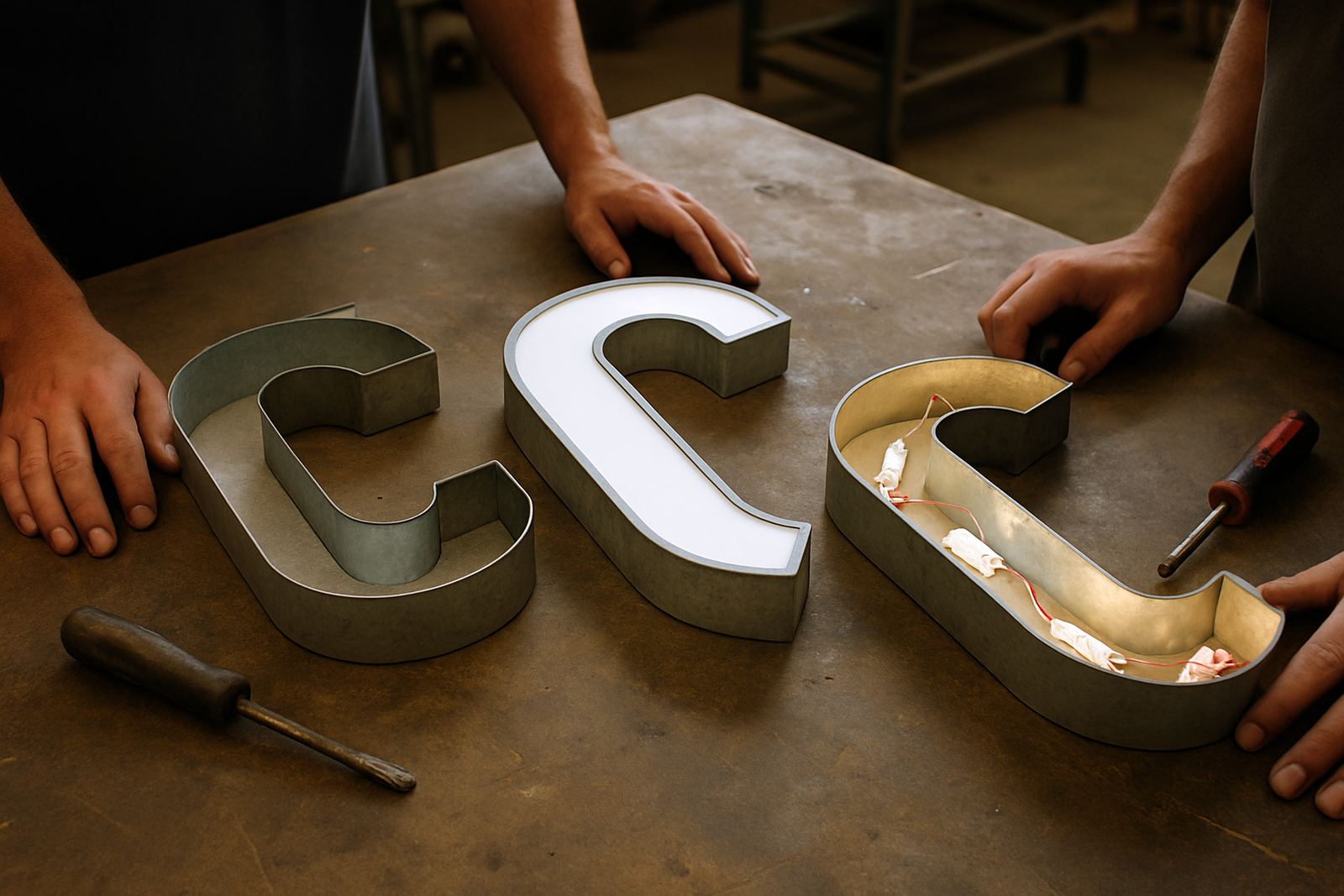
- Fabricated 3D lettering for depth, shadow and stronger day-night presence
A good article should help you compare these options against the site, not just the drawing. That is where budget control starts.
Compliance, approvals and structural checks before fabrication
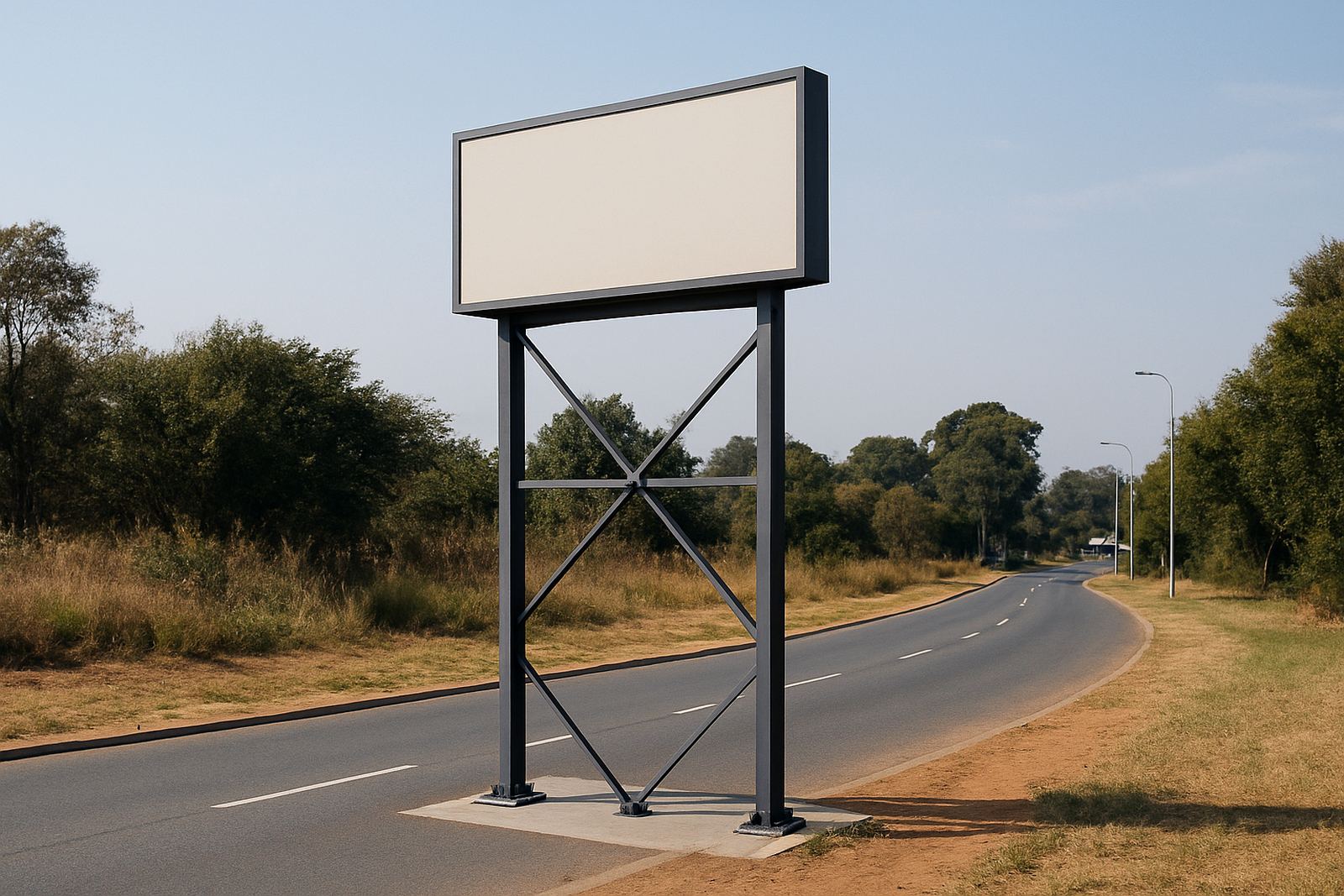
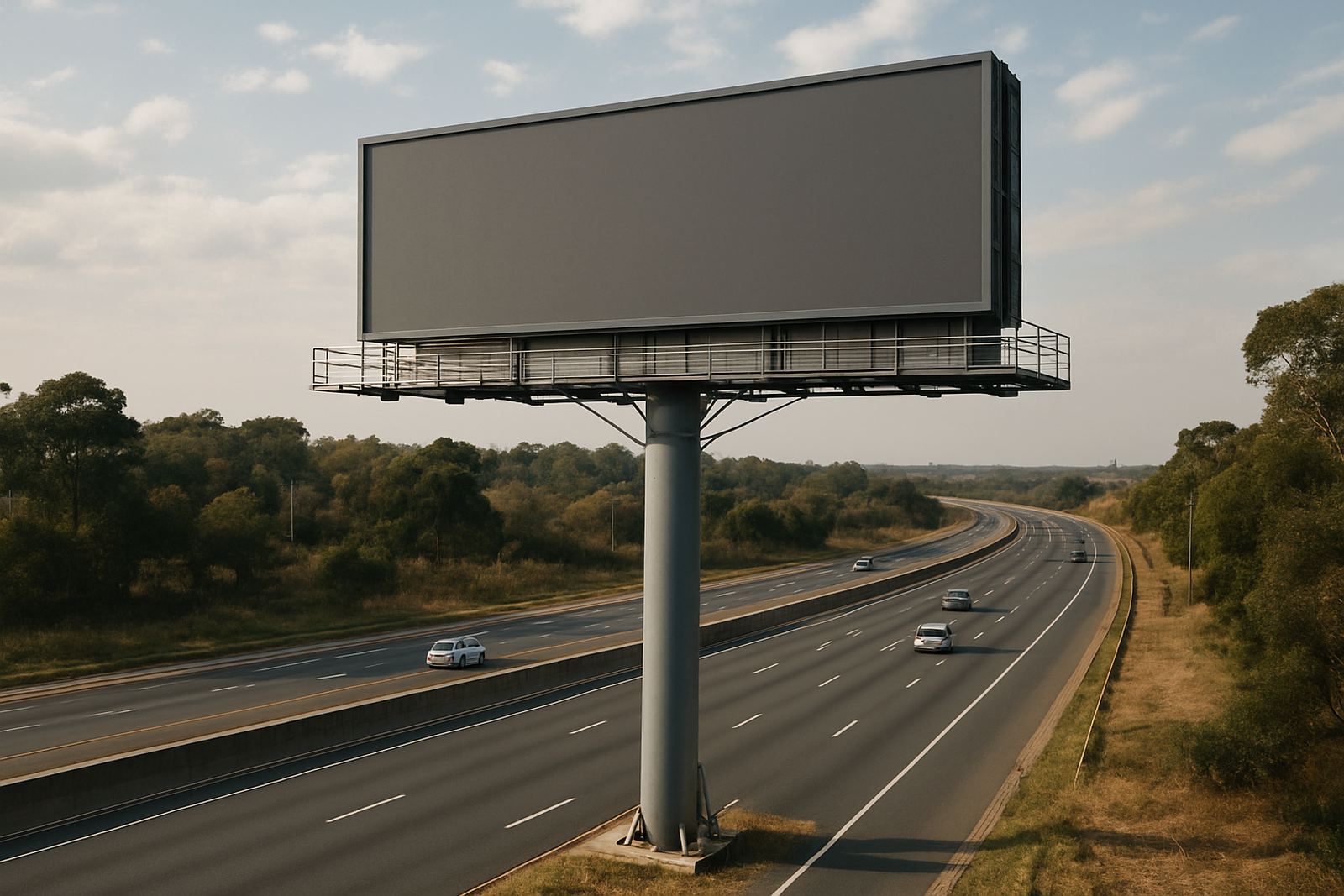
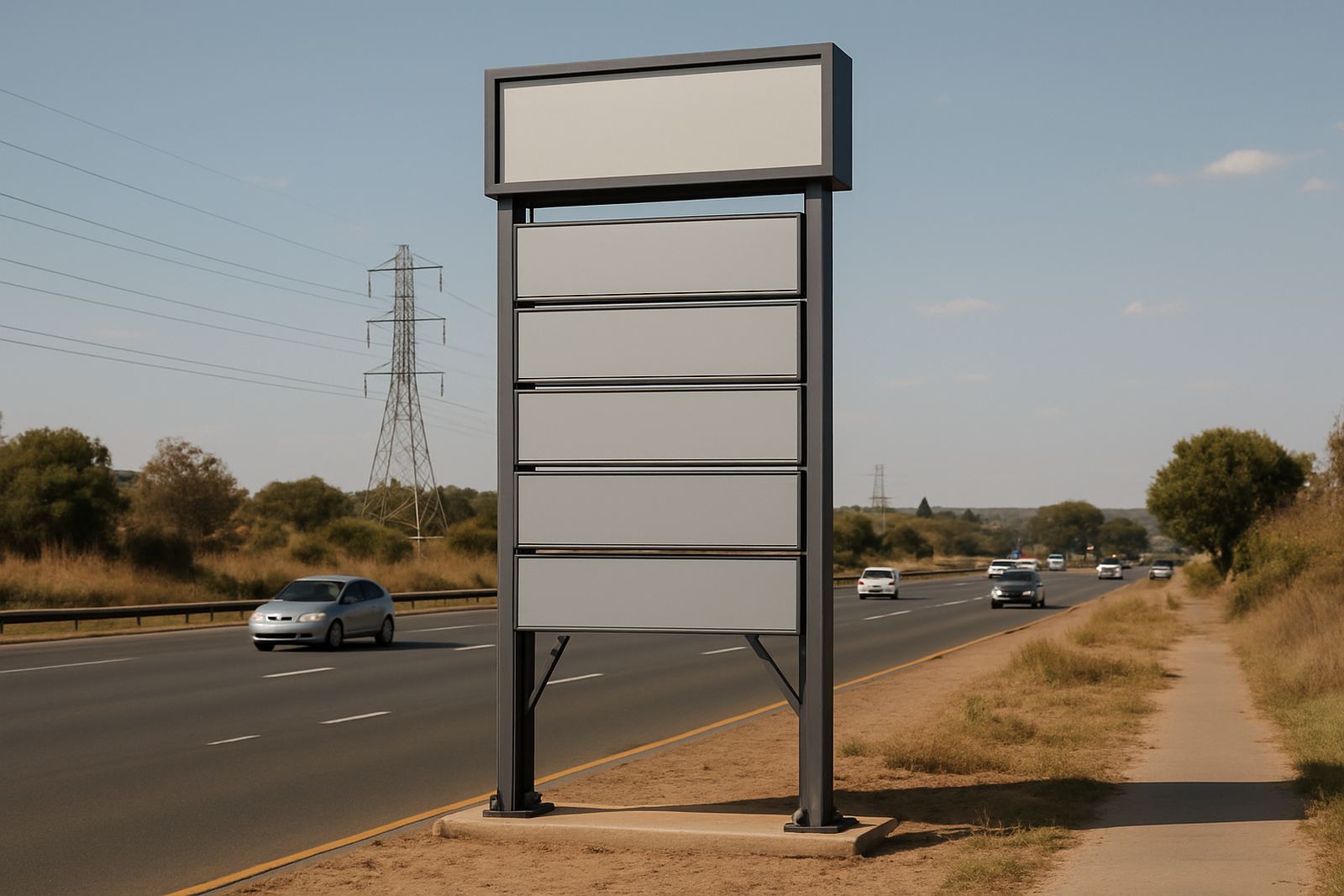
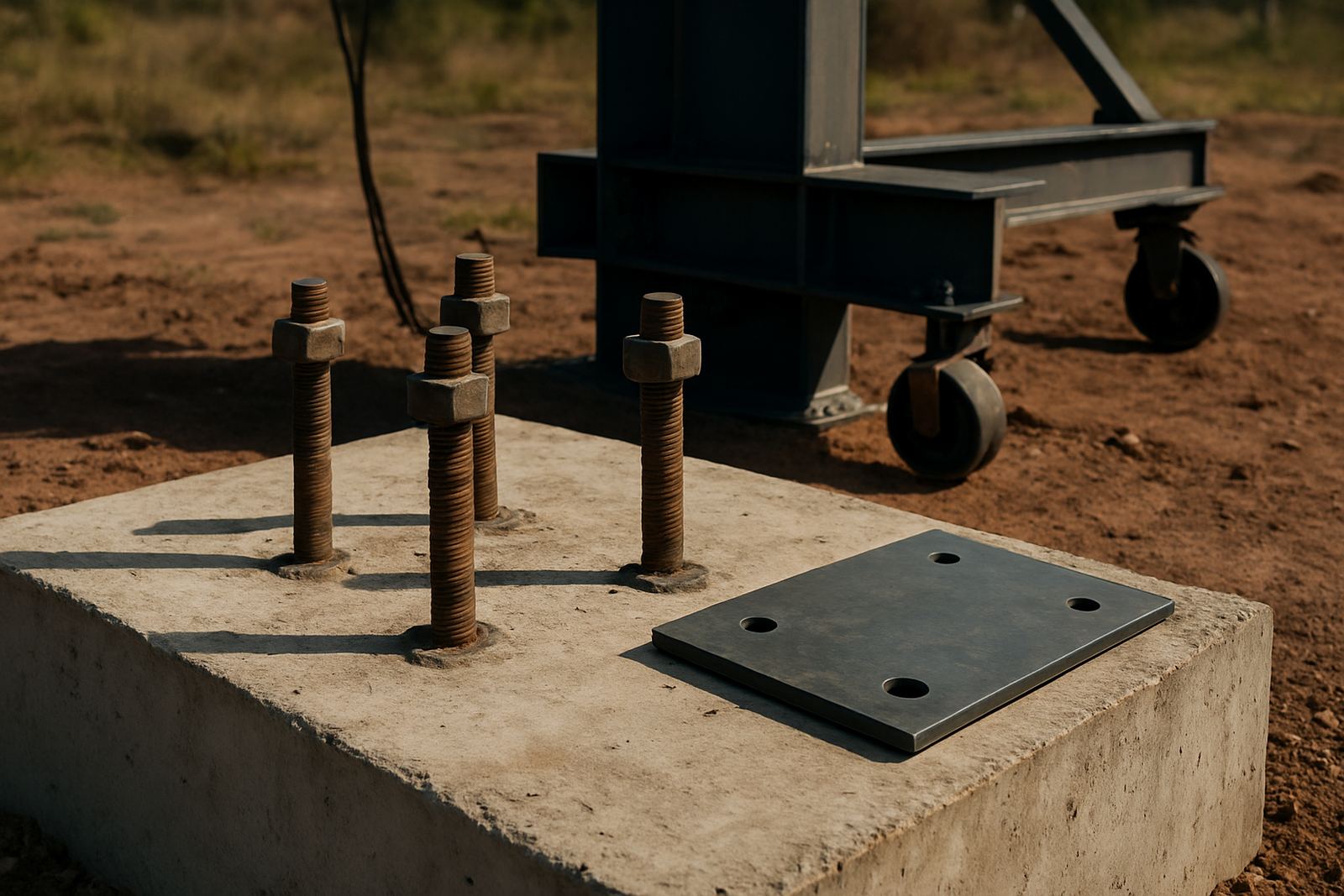
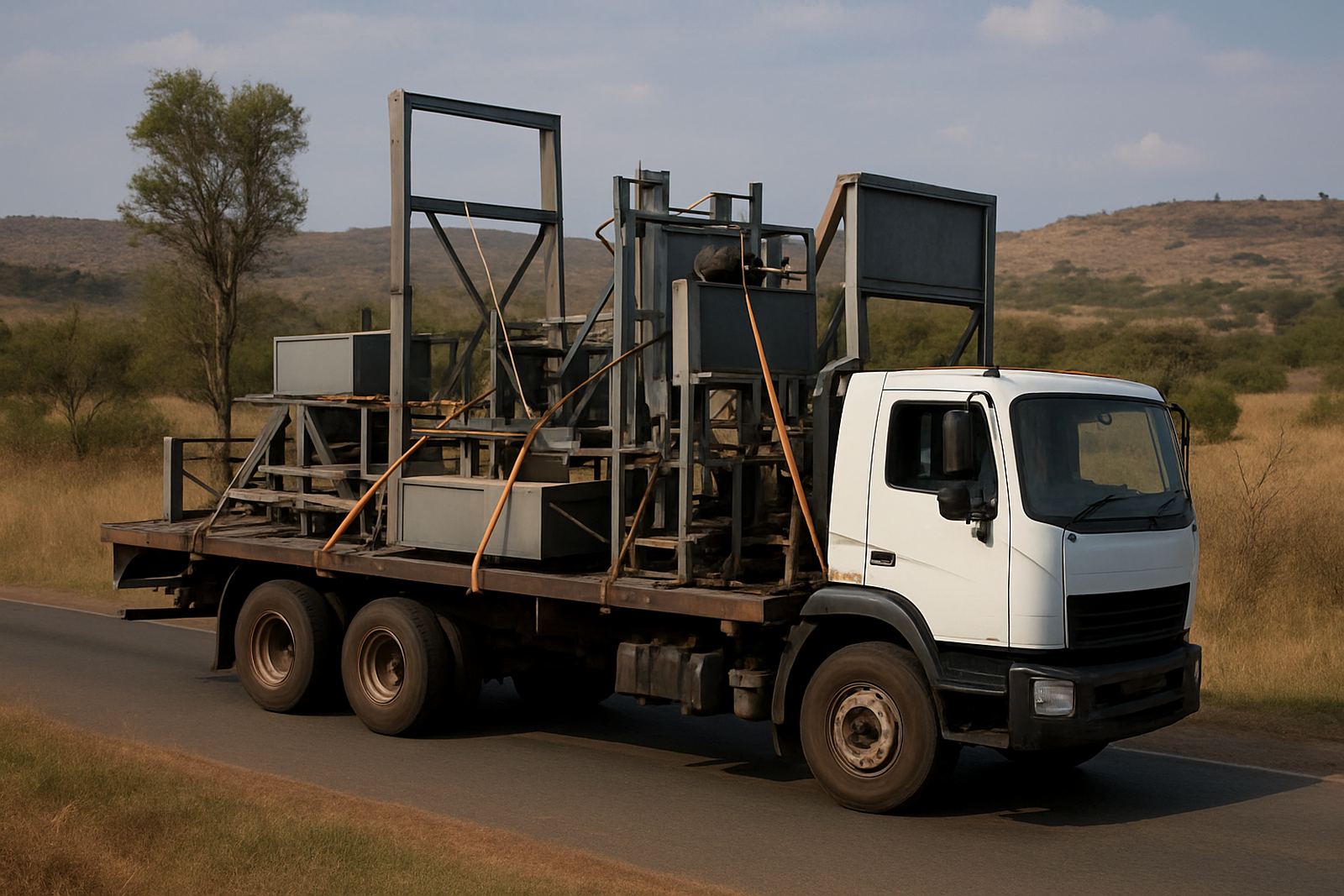
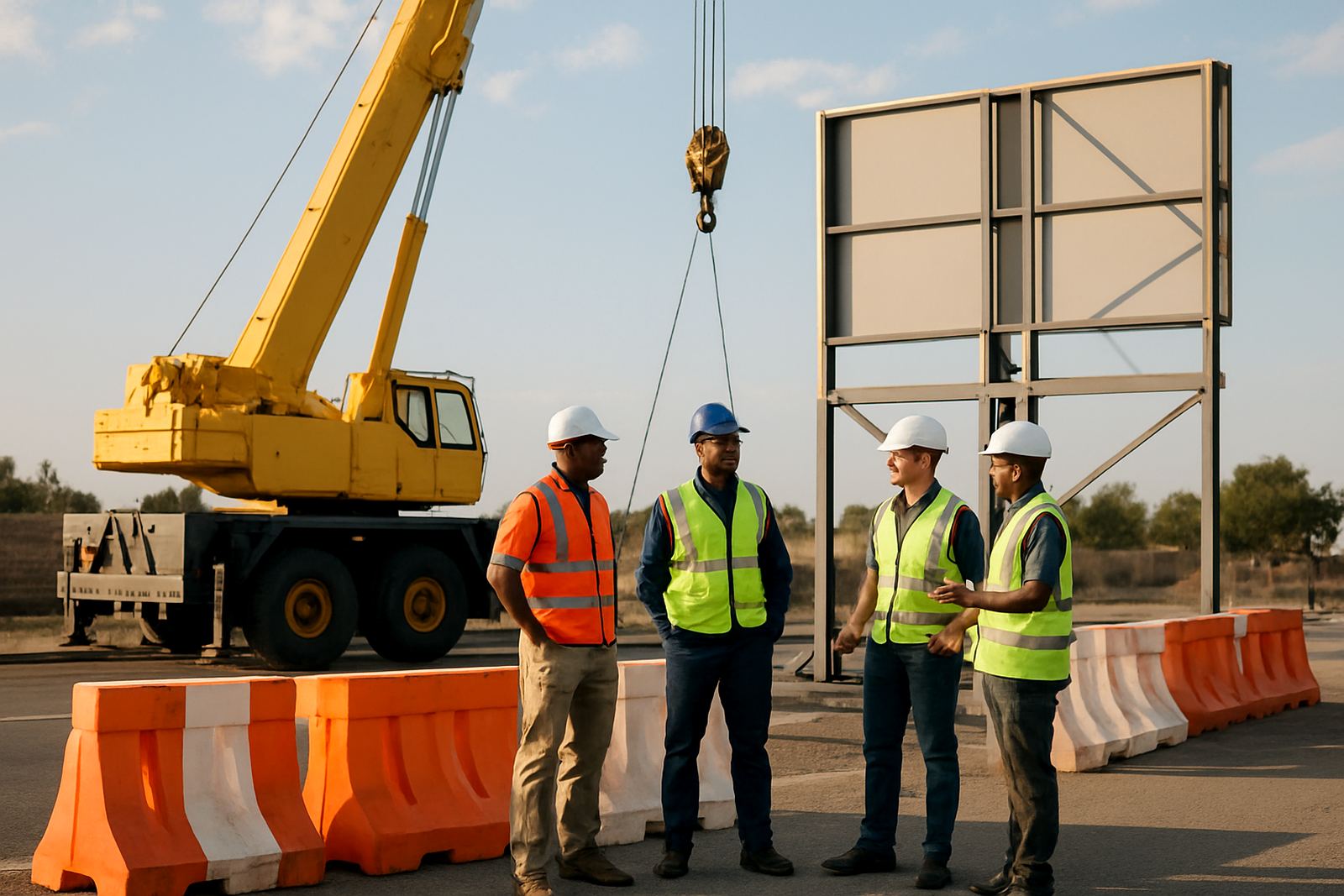
Many signage delays come from approvals that were left too late. Road-facing signs, pylons, billboards and larger LED structures can involve municipal permissions, landlord conditions, traffic visibility rules and engineering sign-off. If a project crosses from private property into public visibility, the paperwork can become a real risk to programme and cost.
Our articles cover the kind of questions your team should ask early: What size is permitted? Does the structure need wind loading input? Is there a required setback from the road reserve? Will the electrical scope need separate coordination? These details matter from Midrand to Germiston and across larger provincial sites, and they can change a simple brief into a formal approval path.
Wayfinding planning for busy sites and public movement
Wayfinding is not just a list of arrows and names. It is a movement strategy for people who arrive under pressure, often in traffic, rain or after hours. Hospitals, retail parks, estates, municipal facilities and mixed-use developments all need signs that are easy to follow from the entrance to the final destination.
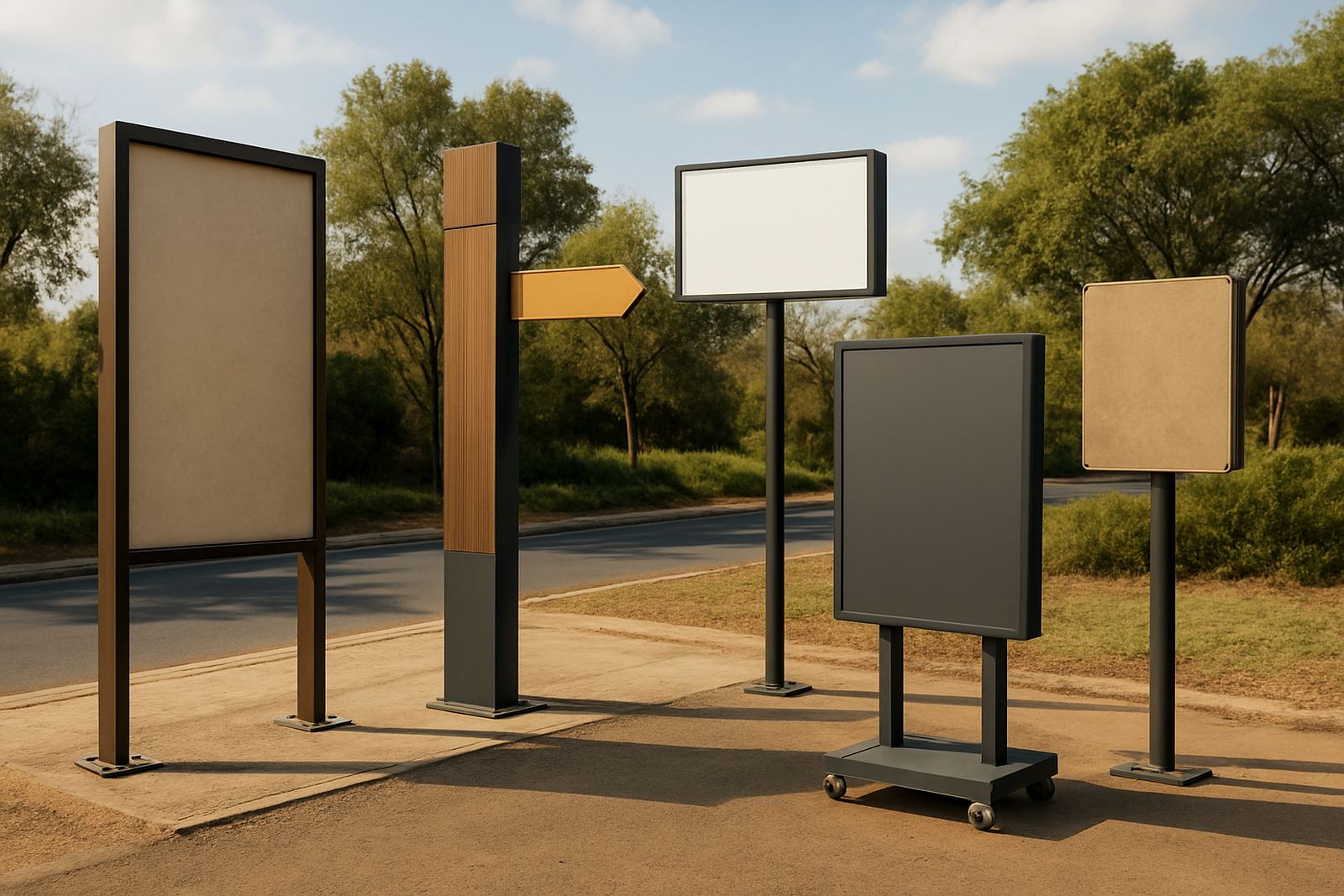
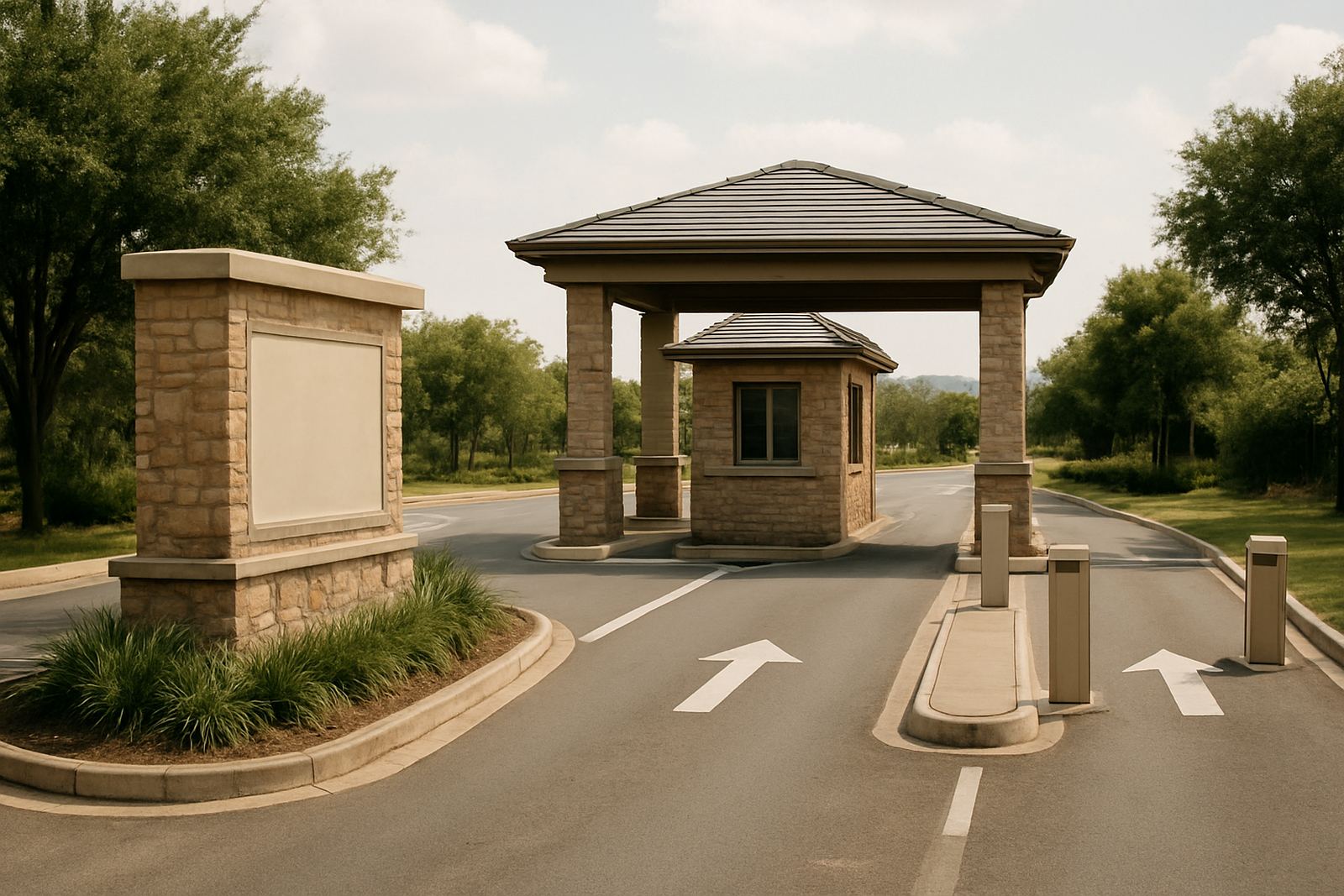
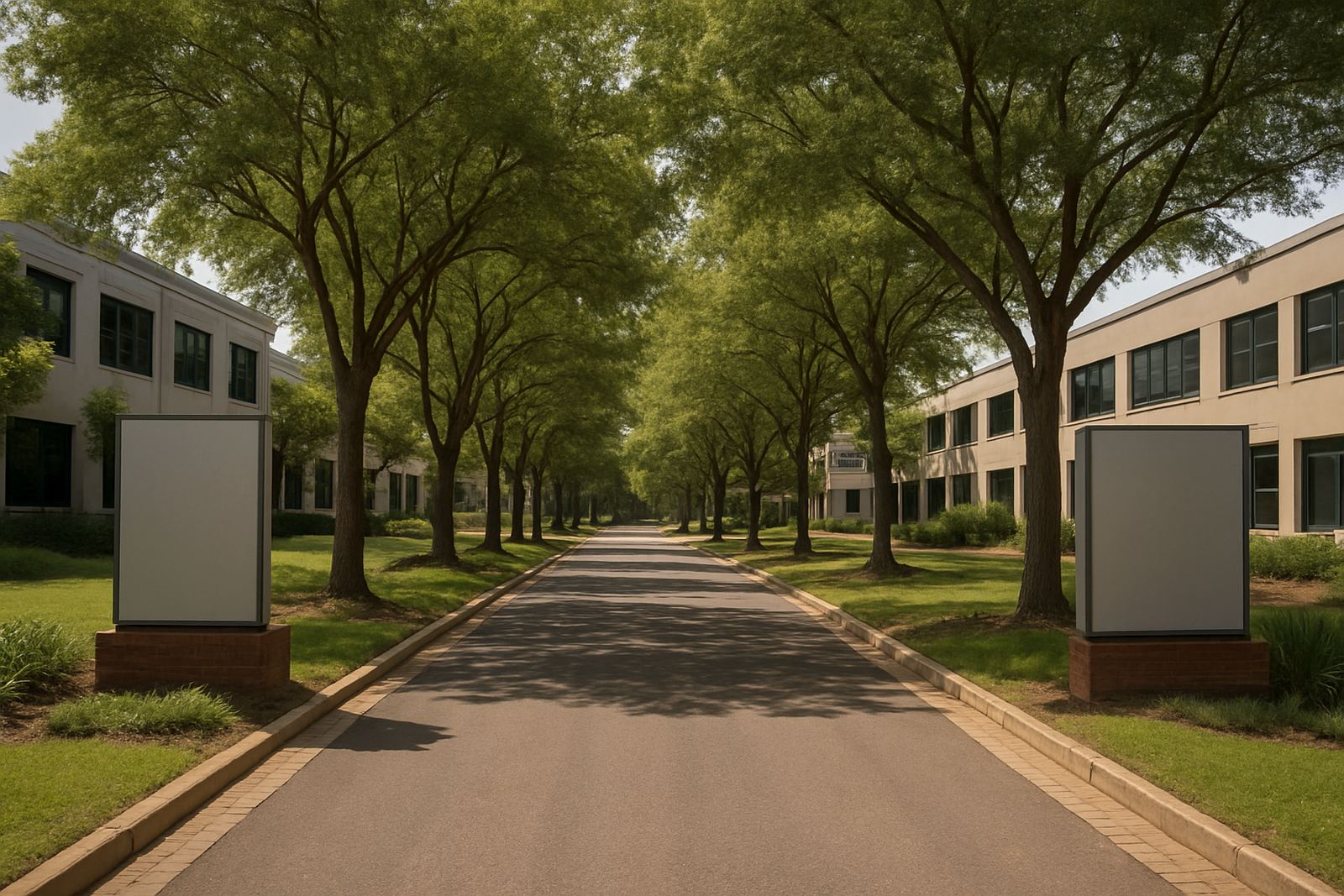
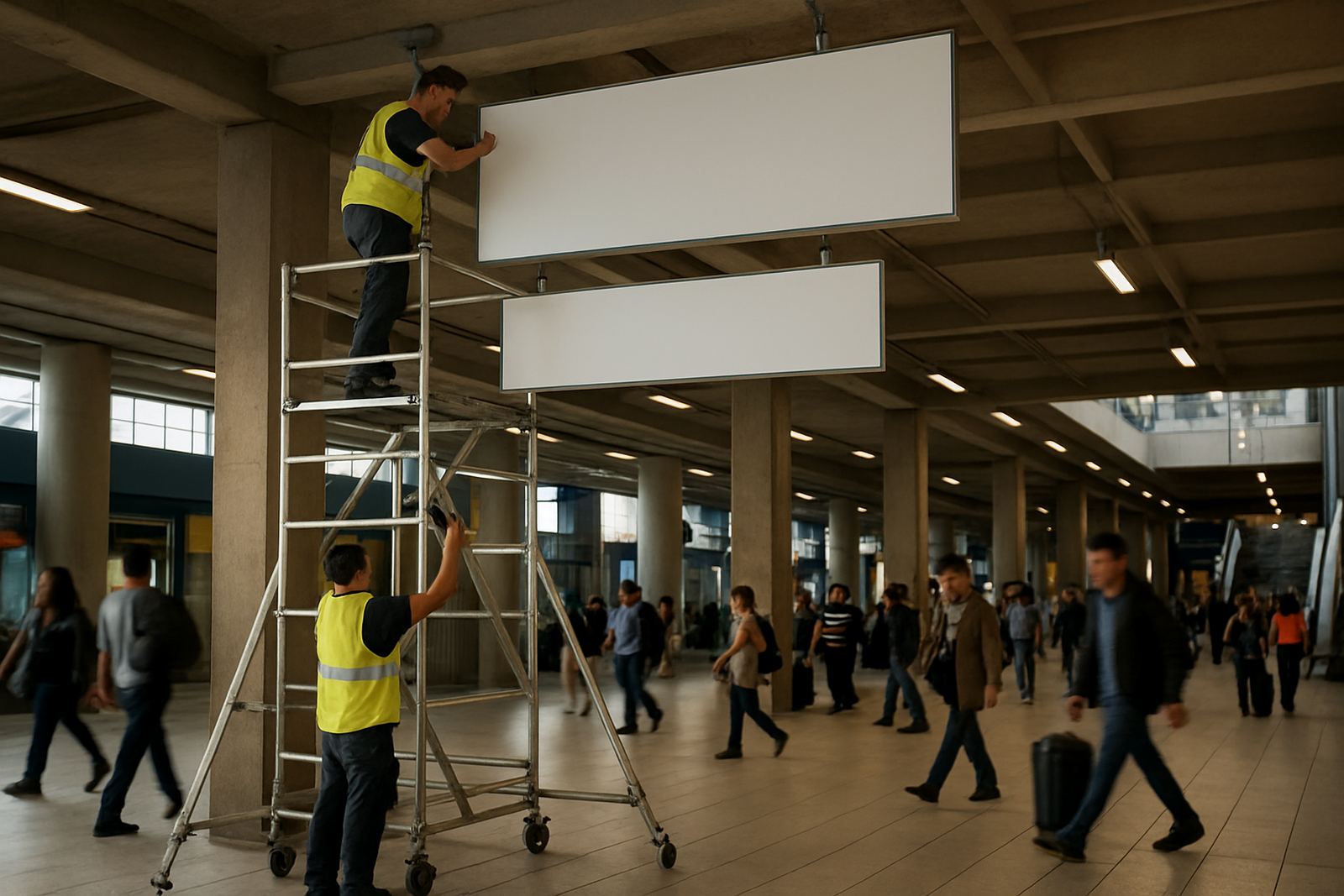
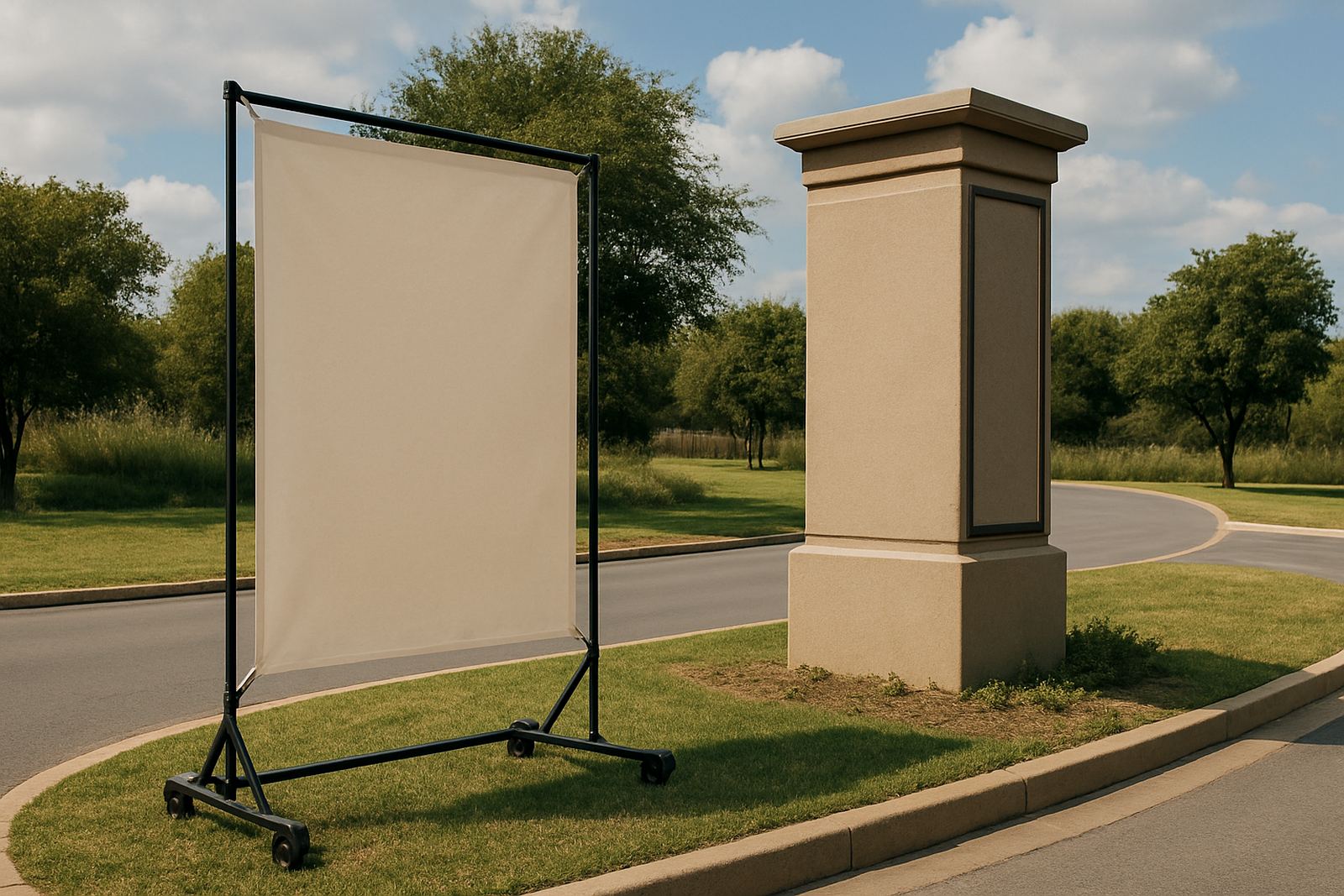
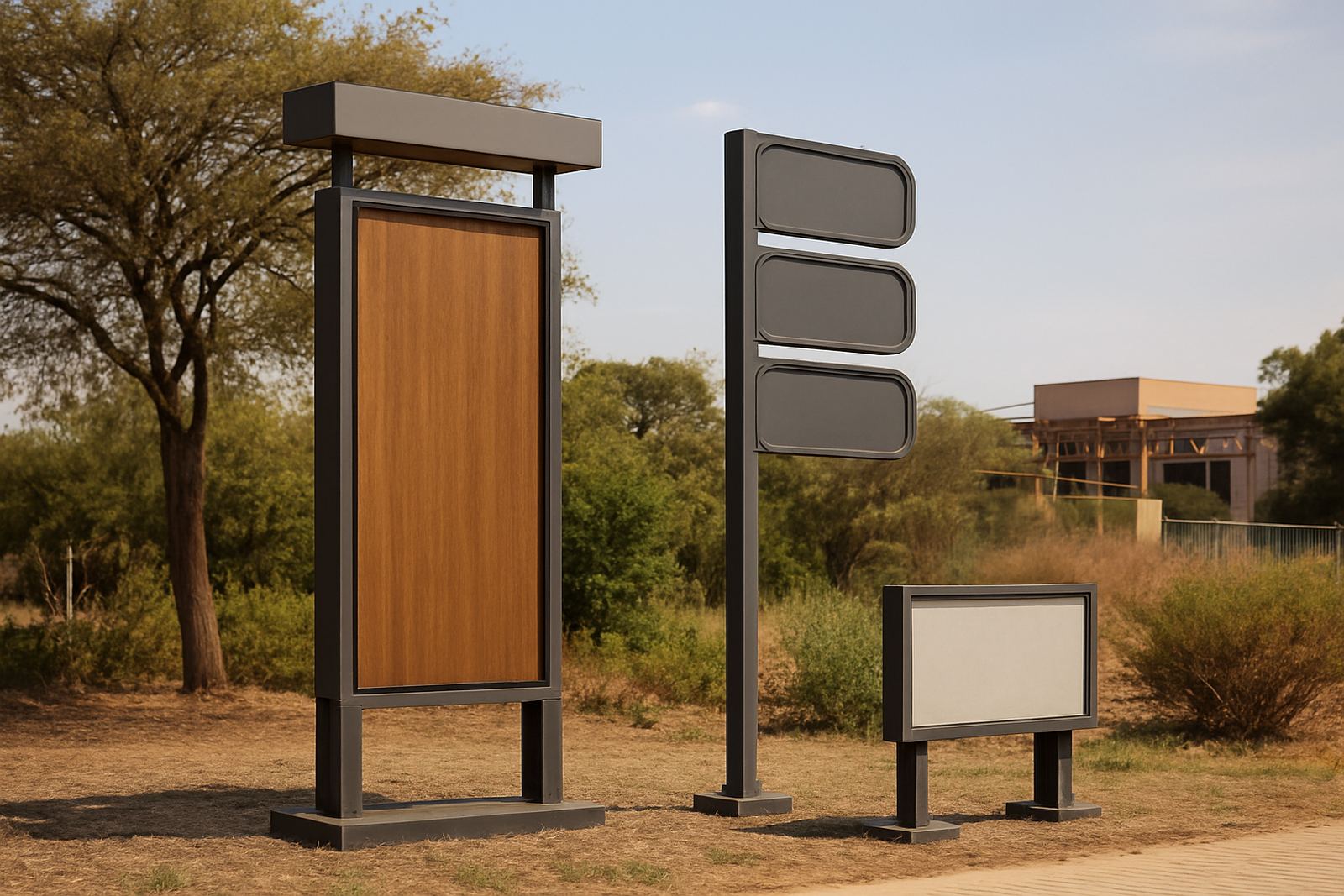
Good wayfinding reduces confusion, security calls and repeated vehicle circulation. The right article should help your team think about zone naming, hierarchy, driver sightlines, pedestrian decision points and whether signs should be wall-mounted, freestanding or integrated with pylons.
- Entrance identity and first decision point
- Directional signs at vehicle splits and pedestrian crossings
- Tenant, building and precinct naming hierarchy
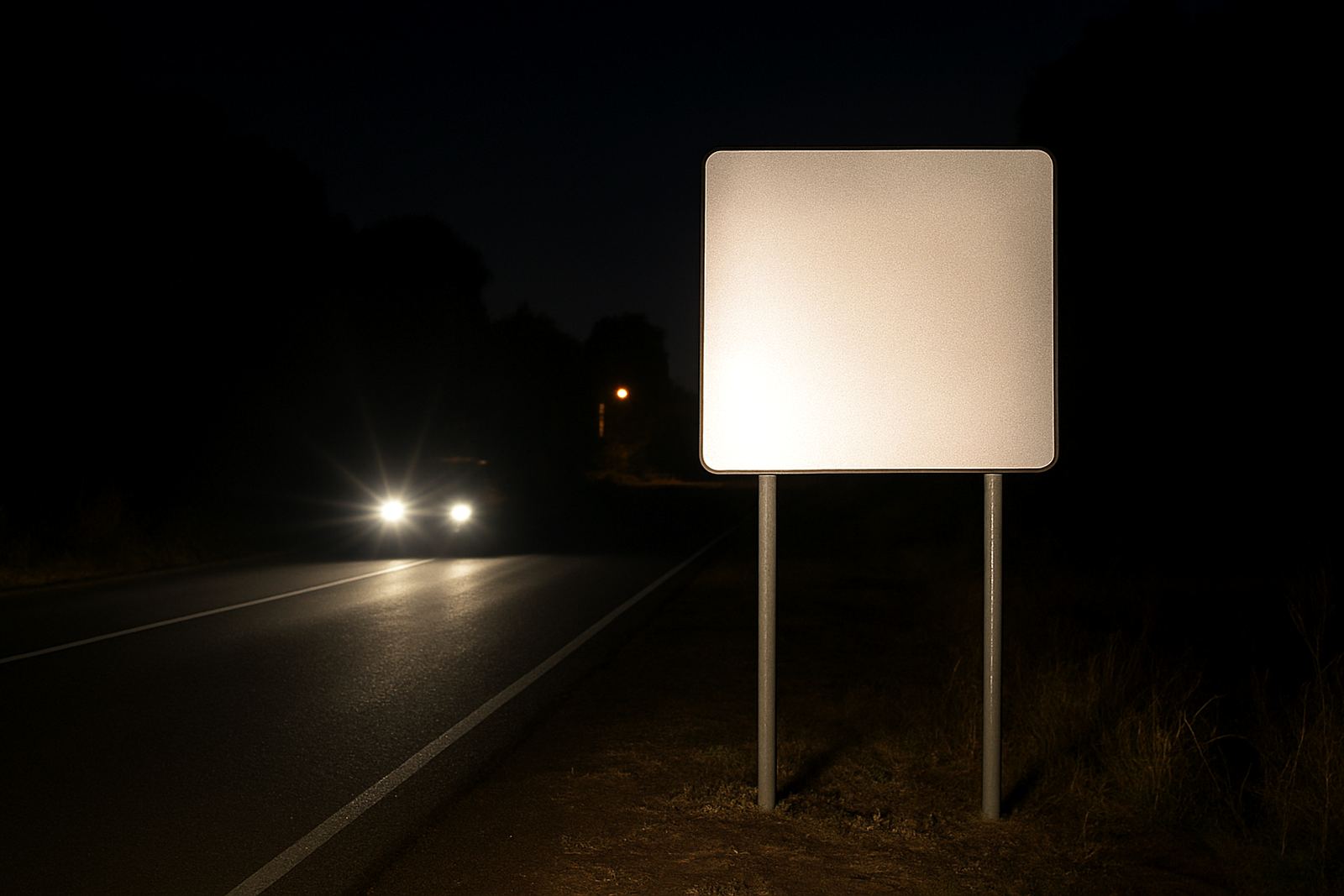
- Night visibility and reflector or illumination choices
LED screens and digital media decisions that affect budget
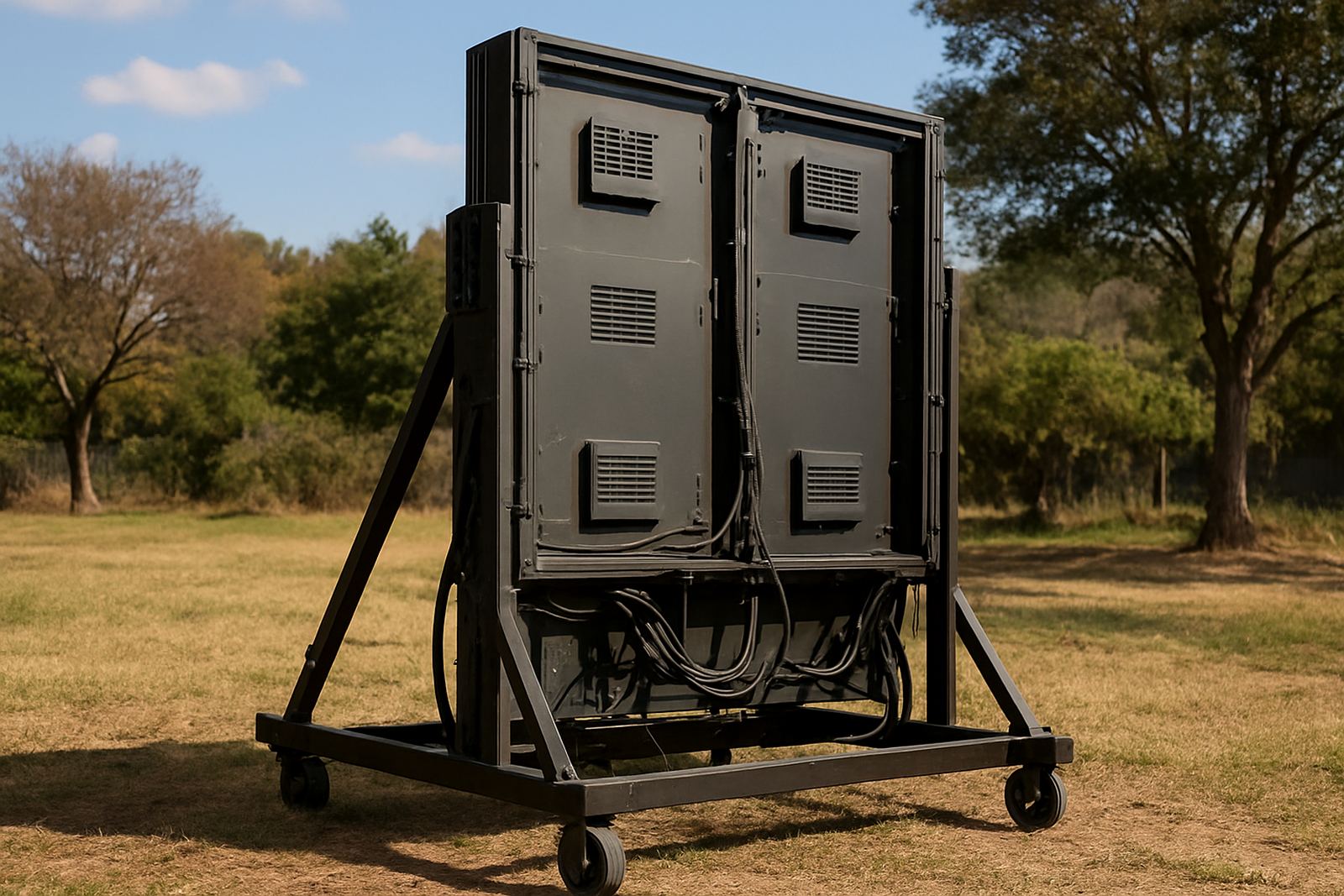
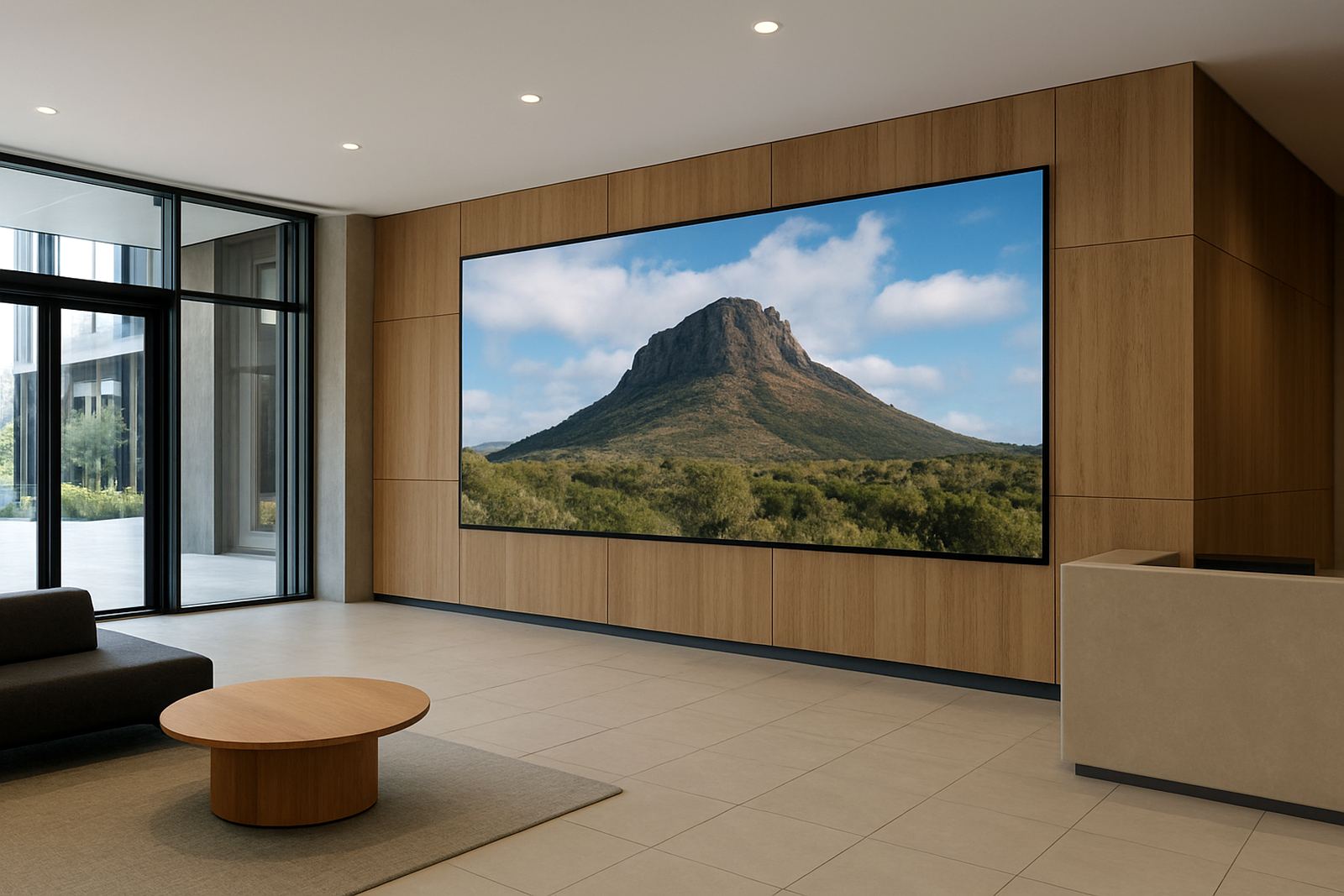
LED video screens bring motion and flexibility, but they also need careful planning. The viewing distance, brightness, refresh rate, maintenance access and power availability all shape the final specification. A screen that is too bright for a residential edge or too small for a highway site can waste money and create problems with neighbours or compliance.
For South African sites, load-shedding backup planning and safe rigging access are practical concerns, not afterthoughts. Our digital display articles help property and marketing teams weigh up size, pixel pitch, content use and maintenance planning before equipment is ordered or brackets are fixed. That keeps the project grounded in what the site can actually support.
What our insight articles help project teams decide
Signage Insights are written for property, retail, municipal and development teams that need practical guidance before they commit budget. The goal is to reduce rework, improve approvals and make it easier to brief engineers, fabricators and installers with confidence.
Across Modderfontein, Sandton, Randburg, Pretoria, Centurion, Durban and beyond, the same questions keep coming up: what material lasts longest, what needs approval, what can be installed safely, and what will still look right after the first summer storm. These articles answer those questions in plain South African terms, with enough detail to support a real project decision.