Why municipal signage fails sooner than it should
A sign on a municipal site is not just there to look tidy. It has to stay readable through summer UV, winter rain, wind, vandalism and regular cleaning. In Gauteng, that often means bright sun by midday, dirty spray from passing traffic and a high chance of people touching, scratching or hanging items on the face. Near the coast, humidity and salt in the air add another layer of wear.
The common mistake is to treat public signage like office signage. Municipal work needs thicker materials, better fixings and a finish that can be washed without fading. If a panel starts chalking, lettering lifts at the corners or a frame rusts through, the public sees neglect immediately and the maintenance budget gets eaten up faster than planned.
For that reason, durability is not a final detail. It is part of the brief from day one, together with visibility, compliance and access for future maintenance crews.
Material choices that hold up in South African conditions
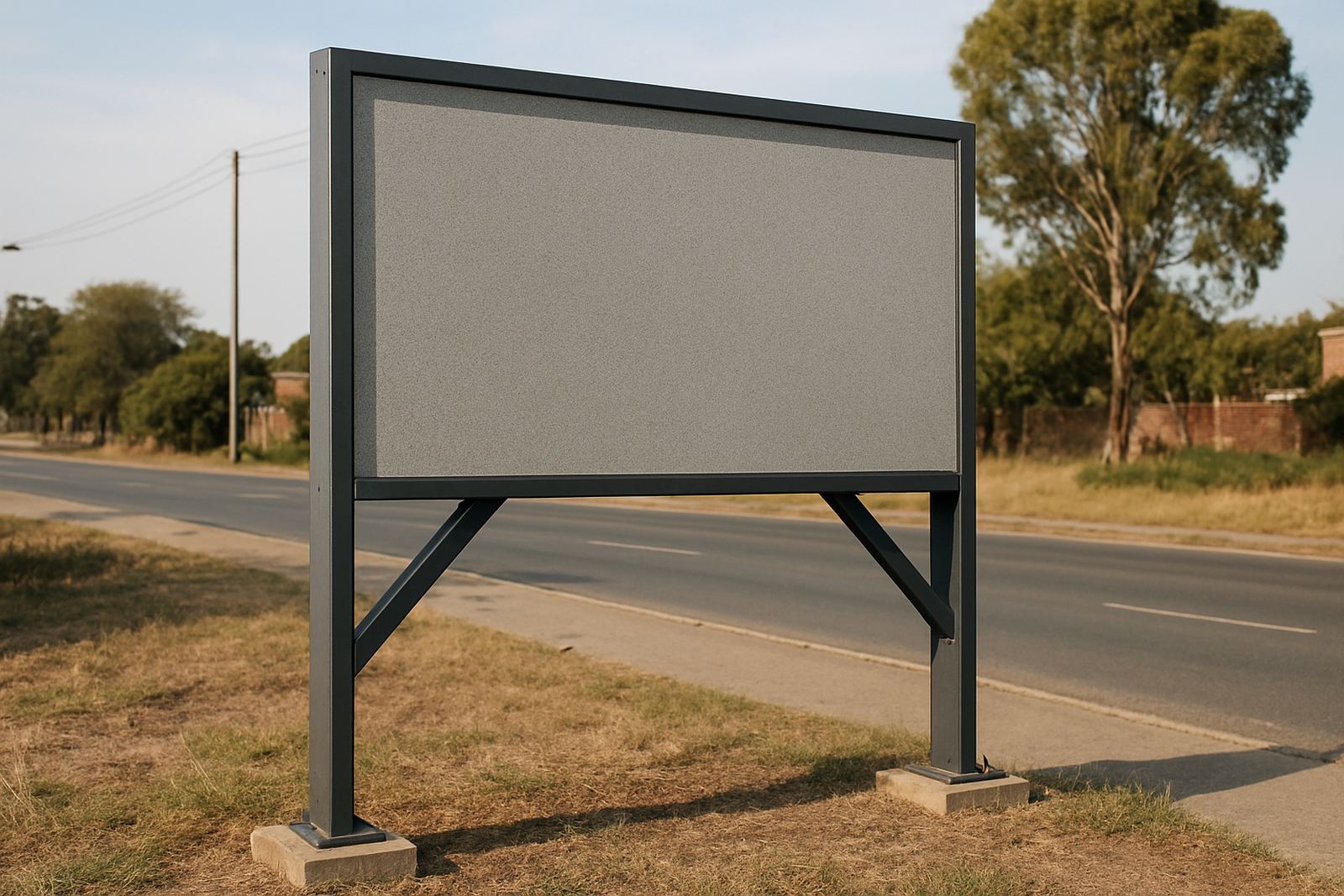
Material selection should match the site, not just the artwork. A sheltered indoor wayfinding sign can use lighter construction, but a roadside board, station panel or depot identifier needs stronger substrates and better edge protection. We look at UV resistance, corrosion, impact strength and how easy the sign will be to clean after dust and exhaust build-up.
- Aluminium sheets and frames work well where corrosion resistance matters and weight must stay manageable.
- Perspex and similar rigid plastics suit illuminated faces and formed elements, provided the thickness and fixing method are right.
- Powder coated steel is useful for frames and support members, but it needs proper preparation if it is going to last in wet or coastal areas.
- Printed vinyl should be specified for outdoor life, with the correct laminate when the surface will be scrubbed or exposed to harsh sun.
- For lettering and logos, routered or fabricated components need enough depth and secure fixings so they do not lift or warp over time.
On municipal jobs, we also consider whether the sign can be separated into serviceable parts. That makes repairs easier when one section gets damaged instead of replacing the whole unit.
Fixings, frames and anti-tamper details
Many signs fail at the connection points, not the face. A good panel with poor fixings will loosen, rattle or rust from the inside out. Public spaces need mechanical fixings that are hard to remove casually, plus frames that can cope with wind load and repeated vibration from traffic.
In busy areas such as Sandton, Germiston and central Pretoria, signs beside roads and pedestrian routes should be designed for accidental impact and quick inspection. On municipal land, tampering is a real issue too. Exposed screws, weak brackets and open access points invite interference.
- Use concealed fixings where possible to reduce tampering.
- Specify stainless fasteners or protected fixings suited to the environment.
- Allow drainage paths so water does not sit inside box sections.
- Detail the frame for expansion and movement, especially on larger boards and light boxes.
- Leave safe access for maintenance teams, rather than forcing them to remove the entire sign.
A sign that can be checked, tightened and cleaned without special drama will always cost less over its life.
Designing for traffic grime, dust and cleaning cycles
Roadside signage collects grime fast. Diesel soot, brake dust, red soil and general pollution build up on faces and in corners, especially near truck routes and construction zones. If the design traps dirt in grooves or around raised lettering, the sign starts to look tired much earlier than expected.
For that reason, simple geometry often lasts better than busy detailing. Smooth faces, sealed joints and clear edges are easier to wash. Where a public sign must stay legible from a distance, high contrast helps, but the finish must also stand up to repeated cleaning. A harsh detergent can strip an ordinary print in a few months if it was not specified for regular maintenance.
Local authorities and developers should think about maintenance cycles before installation. If the cleaning crew visits every three months, the sign must be built for that schedule and not just for day one. That means planning the height, access method and cleaning product compatibility early.
LED screens and illuminated signs need extra planning
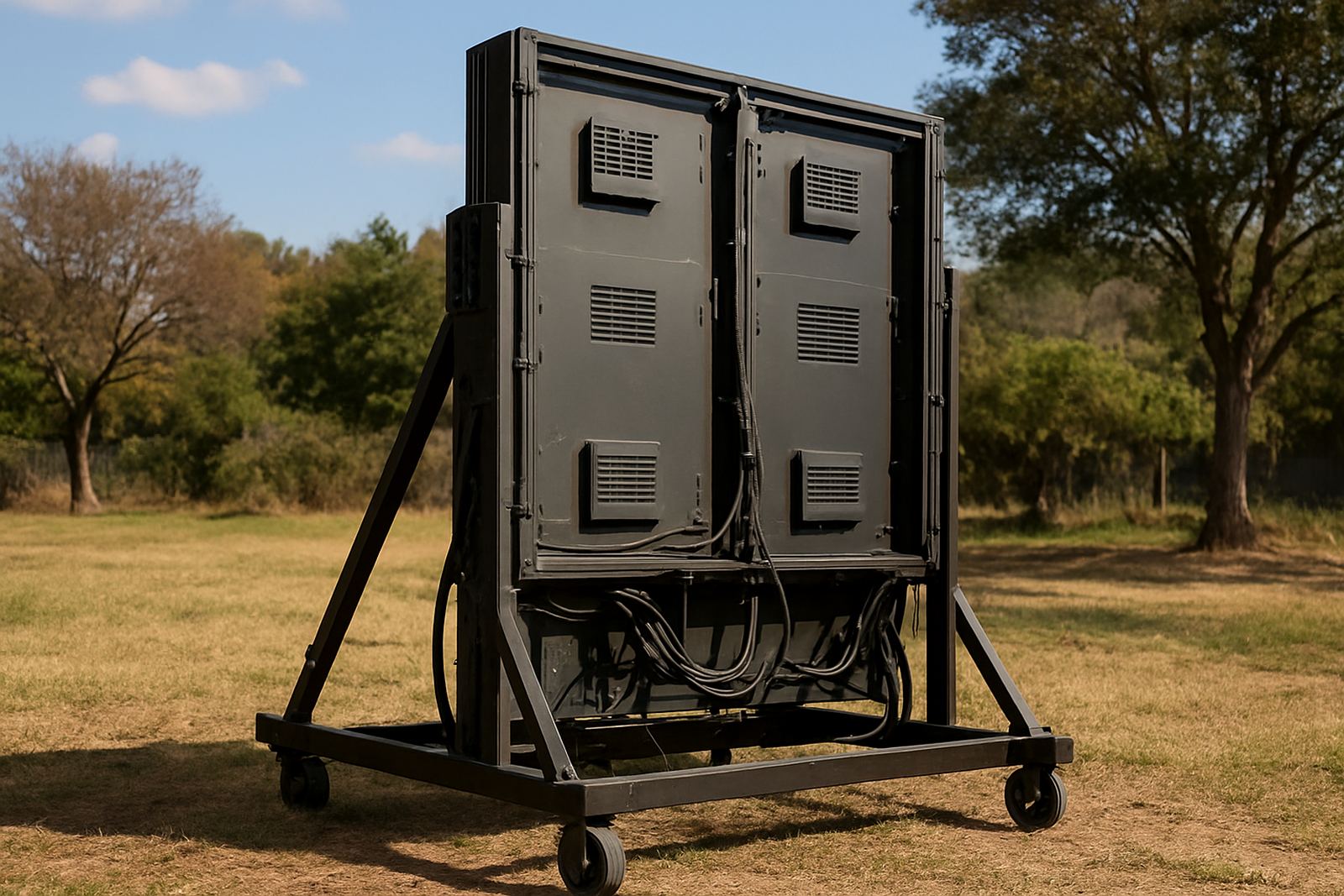
Illuminated signs and LED video screens can carry a lot of public information, but they also bring heat, power and access considerations. In load-shedding conditions, systems need the right backup strategy and a layout that lets technicians service modules, power supplies and control gear safely. If the enclosure is poor, dust and moisture shorten component life quickly.
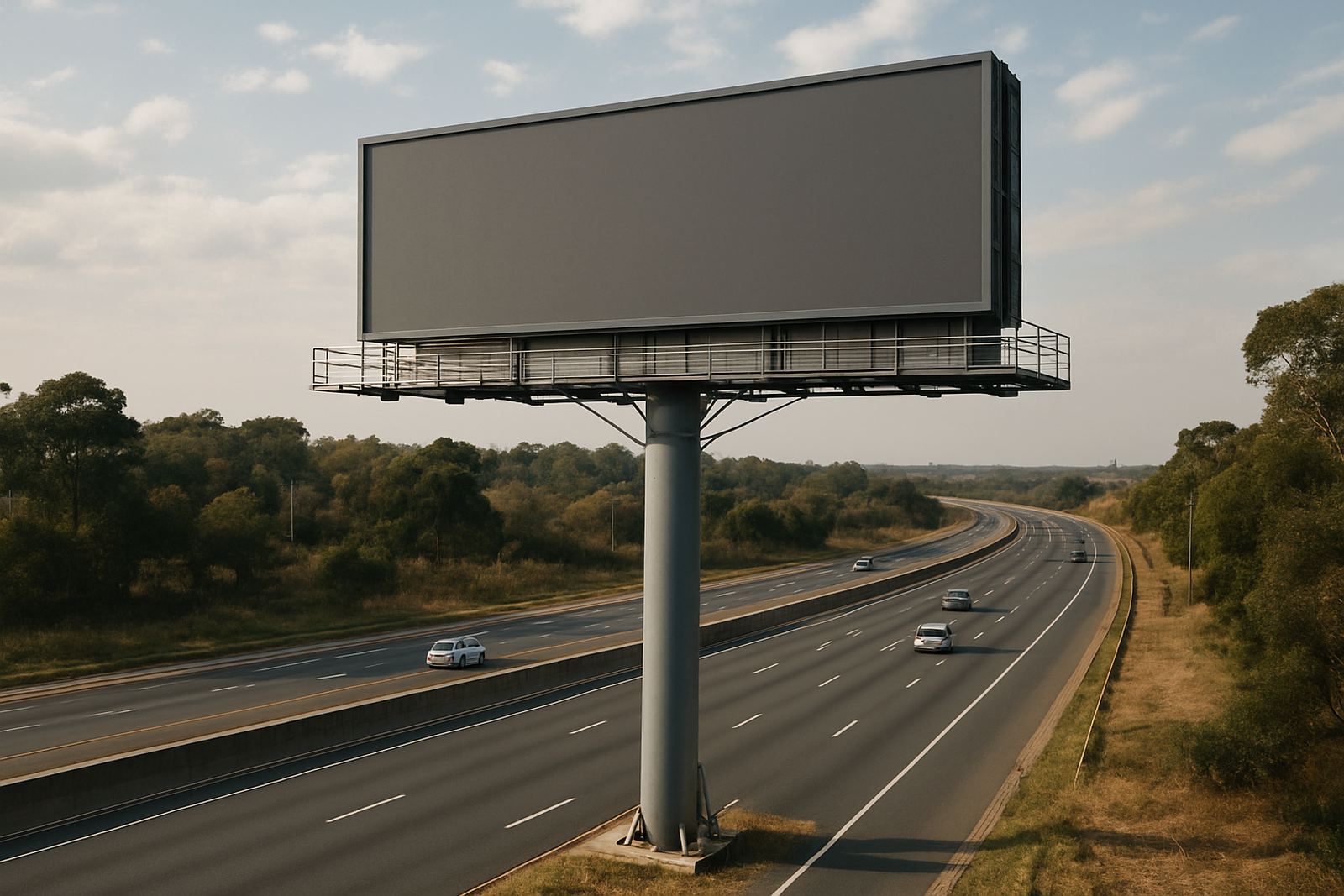
For municipal environments, the structure around the screen matters as much as the screen itself. The support frame must take the weight, the wind exposure and the site conditions. On exposed pylons or roadside locations, access for rigging and maintenance should be thought through before fabrication starts, not after.
- Allow ventilation without inviting rain or dust inside the cabinet.
- Use access panels that can be opened safely by maintenance crews.
- Plan cable routes so they are protected from tampering and weather.
- Coordinate power requirements with the site and backup systems early.
- Keep the surrounding structure serviceable, not sealed shut.
When an illuminated sign is designed properly, it stays useful through power cuts, heavy rain and long service intervals.
A practical Gauteng example: depot signage that must keep working
Think of a municipal depot in Midrand or Modderfontein, with vehicles entering from first light and staff moving through the yard all day. The site needs a gate sign, directional boards, safety notices and possibly an illuminated identity sign visible from the road. Each element has a different duty, but all of them have to survive the same dust, heat and constant handling.
For a site like that, we would usually specify a mix of aluminium panels, durable print, protected frames and fixings that can be checked during routine maintenance. If there is a road-facing element, we would also factor in visual distance, night visibility and whether the sign must remain readable when the sun is low. In an industrial yard, one damaged board can cause confusion quickly, so repair access matters just as much as the first installation.
The best result is a signage set that looks organised on day one and still looks managed a year later, with fewer callouts and less rework.
What clients should ask before approving a public sign
Municipal durability is easier to achieve when the brief asks the right questions. Instead of approving only the artwork, decision makers should check how the sign will age, who will clean it and how it will be fixed to the site. That saves money and avoids the cycle of patch, repaint and replace.
- Will this sign still read clearly after several summers of UV exposure?
- Can the face be cleaned without damaging the print or finish?
- Are the fixings protected against tampering and corrosion?
- Can maintenance crews reach the sign safely and cost-effectively?
- Does the structure suit the wind, vibration and weather at the site?
- Is there a plan for repair, replacement and future upgrades?
Those questions are simple, but they keep a public sign honest. A well-built sign should not need constant attention just to stay presentable. It should do its job quietly, with minimal fuss, and remain part of the site’s order instead of becoming another maintenance problem.