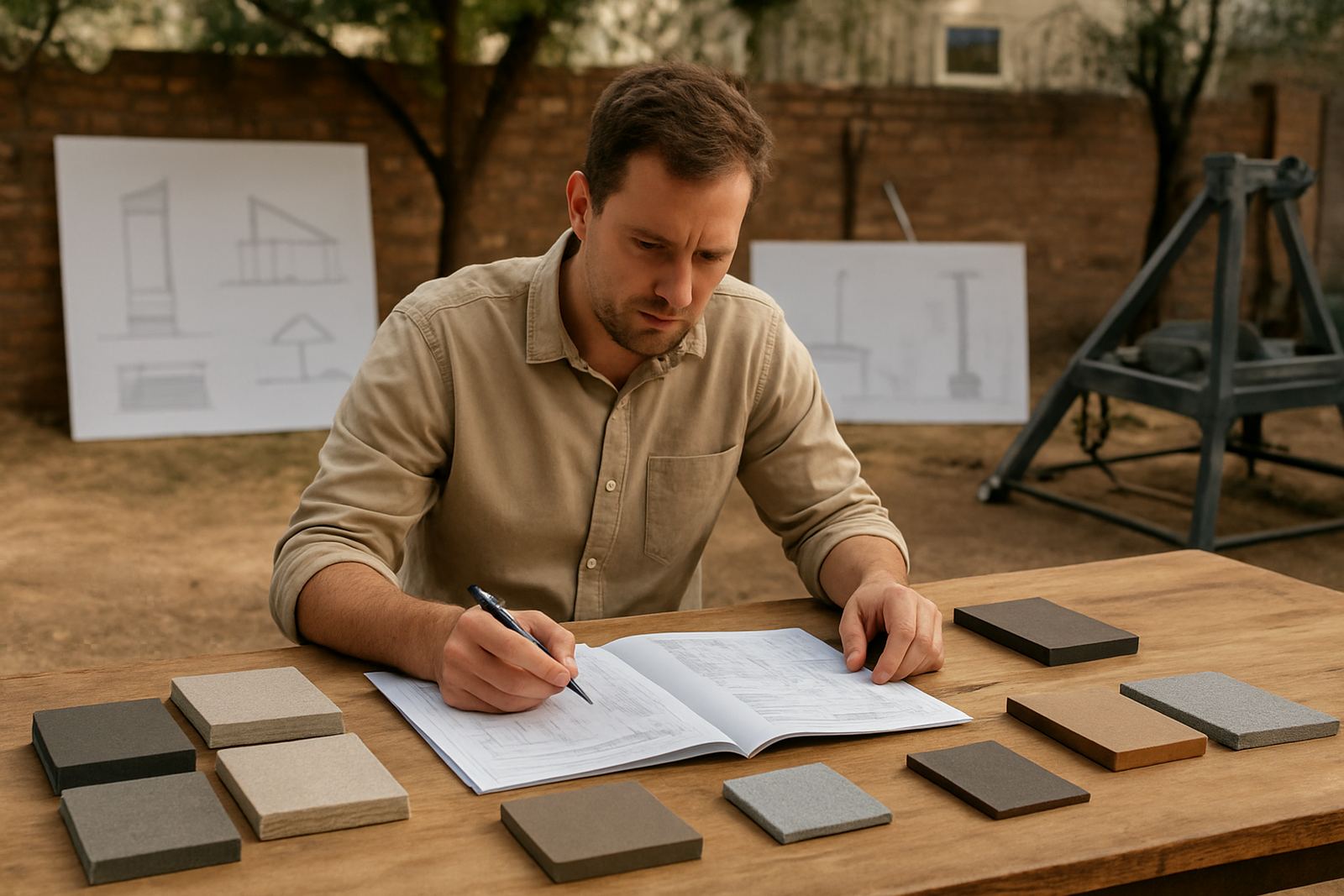
Start With the Role the Pylon Sign Must Play
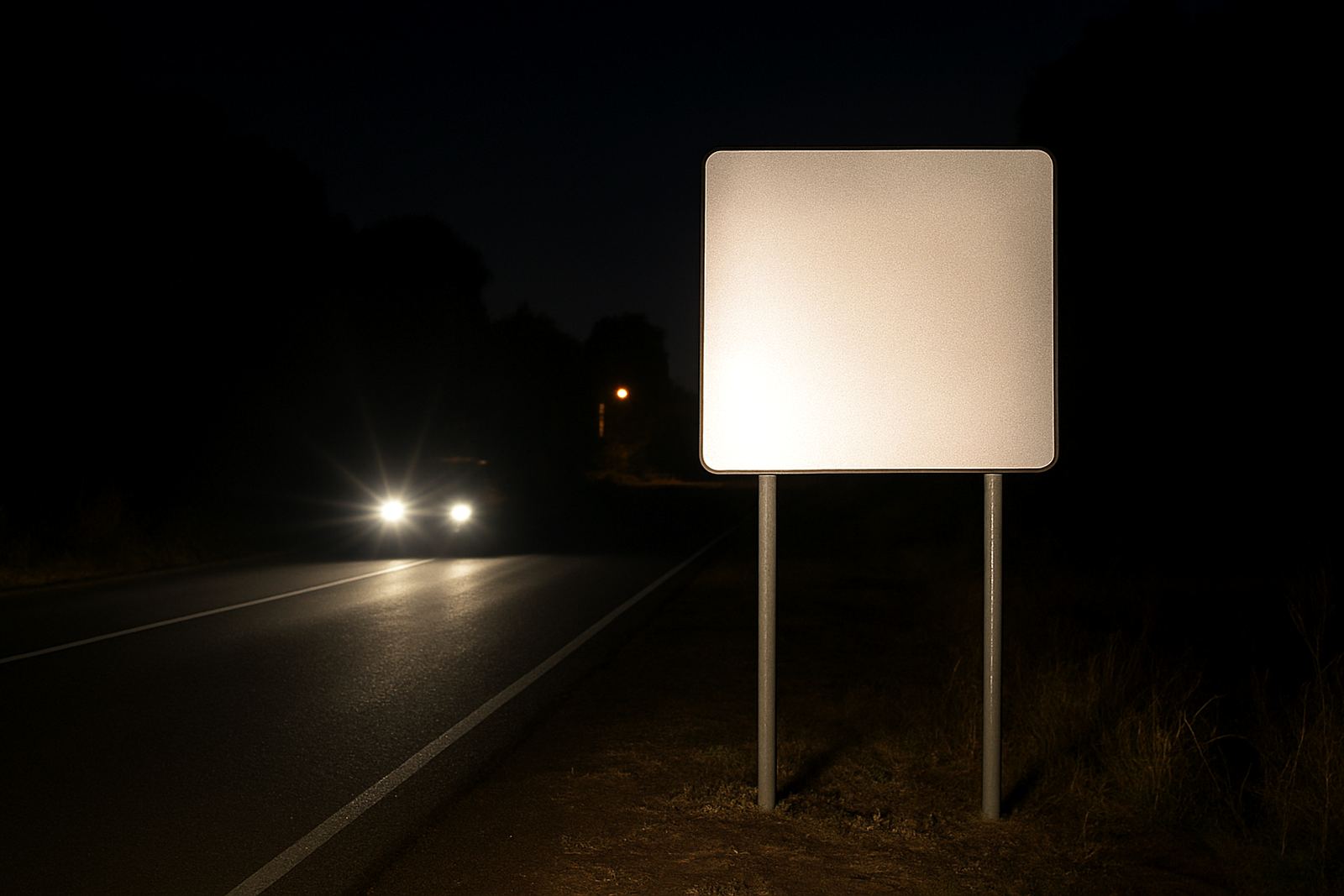
The first budget driver is the purpose of the sign. A simple internal direction sign at a retail centre in Sandton has a very different brief from a roadside pylon in Germiston or a billboard along a busy Gauteng route. When a sign must attract traffic, carry a corporate identity, meet municipal rules and withstand weather, the cost goes up quickly.
We always start by asking where the sign will live, who must see it and how long it needs to last. A one-off promotional panel may only need printed vinyl and a clean frame. A permanent corporate sign for a developer, on the other hand, may need aluminium cladding, fabricated letters, approvals and a maintenance plan. That difference sets the tone for the whole budget.
Material Choice Changes Both Price and Lifespan
Material specification is one of the clearest cost drivers. Printed vinyl is usually more affordable than routered Perspex, brass or custom fabricated 3D lettering. Aluminium is often a practical middle ground because it handles coastal humidity better and keeps its appearance with less upkeep. Brass, stainless steel and layered composite materials cost more, but they can deliver a sharper finish for prestige sites.
In Gauteng, material choice also affects how a sign performs in direct sun and dust. A landlord in Midrand might want a sign that still looks clean after a few summers of harsh light and pollution. In Durban the same sign may need extra corrosion control because of salt air. Cheaper material can save on day one, but if it warps, fades or rusts, the total cost is higher over time.
- Printed vinyl is useful for short term campaigns and lower budgets
- Aluminium suits many permanent signs because it is light and durable
- Perspex works well for illuminated faces and detailed lettering
- Brass and stainless steel suit premium finishes but need careful handling
Size Is Not the Only Height Related Cost
Many clients assume a bigger sign is automatically more expensive, and that is only partly true. Height matters just as much as width. A small sign mounted six metres above ground can cost more to install than a larger sign fixed at eye level because of access equipment, rigging time and safety controls. Once a project moves onto roofs, pylons or gantries, the budget starts to include lifting plans and site-specific precautions.
Height also affects visibility and the amount of structure needed behind the face. A sign for a warehouse in Centurion that sits on a boundary wall may be straightforward. A sign on a tall façade in Pretoria may need a stronger frame, more fixings and a crane. The higher the placement, the more design and installation inputs are needed, and that is often where the estimate changes most.
Access, Traffic and Site Conditions Add Real Time
Access is one of the most overlooked budget drivers. If installers can park close to the work, unload materials and work during normal hours, the cost stays lower. If the site is inside a live shopping centre, along a busy road, or behind security-controlled gates, the project needs more labour, coordination and time. That is especially true for municipalities and large developments where working windows are tight.
Load-shedding can also affect the programme. If fabrication or installation needs to be split across multiple visits because of power interruptions, the labour and call-out cost can rise. Poor access, night work and traffic control all add up. For a sign outside a Randburg retail site, one extra lift or one additional site visit can move the budget more than a change in face size.
- Restricted access can require smaller trucks or additional offloading time
- Busy sites may need after-hours installation
- Traffic management can add labour and compliance costs
- Multiple site visits increase project time and total spend
Lighting and Electronics Need More Than a Plug Point
Illuminated signs are priced differently because they involve more than the visible face. Light boxes, LED channel letters and video screens need electrical design, control gear, mounting details and commissioning. Even a simple illuminated fascia sign may need weatherproof housings and safe cable routes. The more complex the lighting, the more the budget shifts toward engineering and maintenance.
LED video screens add another layer. They are not just signs, they are active display systems that need power supply planning, heat management, access for servicing and the right structural support. In a mall or forecourt, the screen position has to suit viewing distance, glare and cable runs. That means the real cost sits in the whole installation, not only the screen face. If the site has unstable power the client may also need protection and backup planning.
Structural Work and Approvals Can Outweigh the Face Cost
Some of the most expensive parts of a signage project are the parts nobody sees. A pylon, billboard or large fascia may need steel subframes, concrete bases, wind load calculations and structural coordination before the sign face is even made. Where a site is exposed, the support structure must do a lot of the heavy lifting and that pushes the price up.
Approvals matter as well. Road-facing signs, municipal installations and developments with strict controls may require drawings, sign-off and revision cycles. That does not always mean a separate fee from our side, but it does add time, documentation and project management input. A straightforward sign can become expensive when it has to move through multiple review stages before fabrication begins.
- Subframes and foundations increase material and labour costs
- Wind exposure can require thicker steel and stronger fixings
- Approval support adds planning time and drawing revisions
- Complex sites often need coordination with other trades
How to Control Budget Without Cutting the Wrong Corner
The best way to control signage cost is to make decisions in the right order. Start with the purpose, then the location, then the materials and fixing method. Too many projects go over budget because the visual idea is agreed first and the site realities are only checked later. A better brief can save money before fabrication even begins.
For example, a developer in Modderfontein may want multiple wayfinding signs, a pylon and a feature entrance sign. If the project is phased properly, the team can standardise sizes, reduce duplicated steel work and align installation dates. That keeps labour efficient and helps the client see where the Rand is going. Clear scope also makes maintenance planning easier after handover.
When clients ask why two signs with the same face size have very different prices, the answer is usually hidden in the site. Access, height, lighting and structure often cost more than the visible panel itself. That is why a proper site survey and a practical specification are worth doing early, before the budget gets squeezed by surprises.