
Start With the Site, Not the Face Size
Every billboard specification starts with the site itself. A sign that looks fine on paper can fail once it is placed near an interchange, on a windy ridge, or beside a road with fast moving traffic and uneven verge conditions. In Gauteng, you also have to account for summer storms, dust, vibration from heavy vehicles and the occasional power interruption if the sign includes lighting or digital elements.
We begin with a proper site survey and ask simple but important questions: How far is the nearest stopping point for traffic? What is the prevailing viewing direction? Is the billboard seen by vehicles at speed, or by slower traffic at a robot or turning lane? Is the ground stable enough for a foundation that will carry the frame and face loads for years? These checks shape the whole design, including the pole positions, overall height and whether the structure should be single-sided or double-sided.
- Confirm road speed and average viewing time.
- Measure setbacks, servitudes and access for erection equipment.
- Check soil conditions, drainage and stormwater paths.
- Record any services, power lines or tree canopies near the site.
Choose the Right Structure for the Exposure
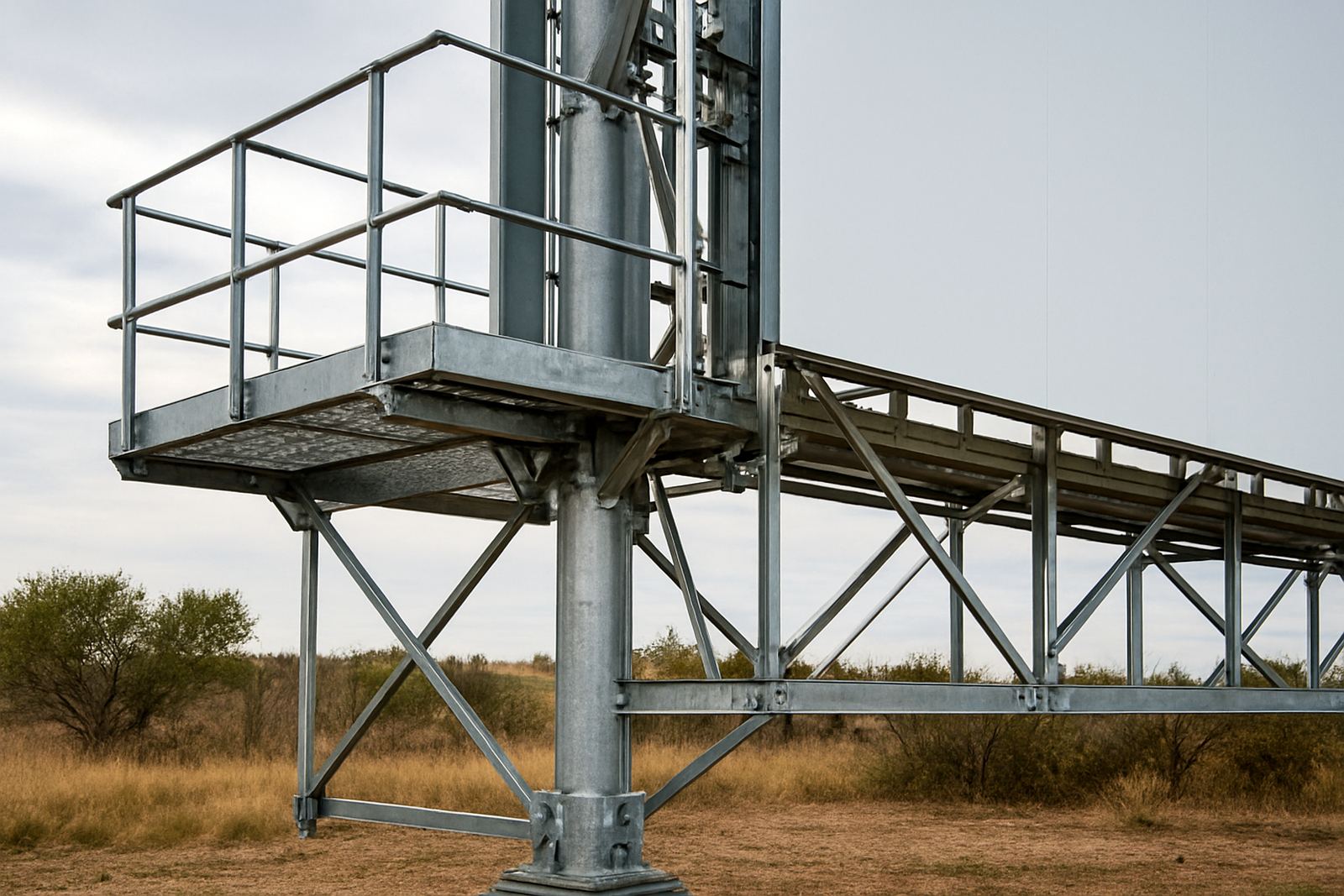
The structural type should match the billboard’s size, location and expected exposure. A roadside sign in Modderfontein or Midrand may face different wind behaviour to one on open ground outside Pretoria or along a coastal route near Durban. If the frame is under-designed, the first problem is often movement: the face starts to chatter, fasteners loosen, and the sign begins to look tired long before the end of its service life.
For that reason, structural coordination is not a box-ticking exercise. We work with the engineer to confirm member sizes, bracing and foundation requirements, then make sure the fabrication team has clear drawings before steel is cut. If the billboard carries a heavier panel system, illumination, or future upgrade allowance for LED, the frame should be checked again. It is cheaper to adjust the spec upfront than to come back later with reinforcement work and road access restrictions.
- Match the structure to wind exposure and sign area.
- Allow for maintenance access, ladders or walkways where needed.
- Plan foundations for the actual load, not just the visible sign size.
- Confirm corrosion protection for inland dust or coastal humidity.
Skin Fixing: Keep the Face Tight and Serviceable
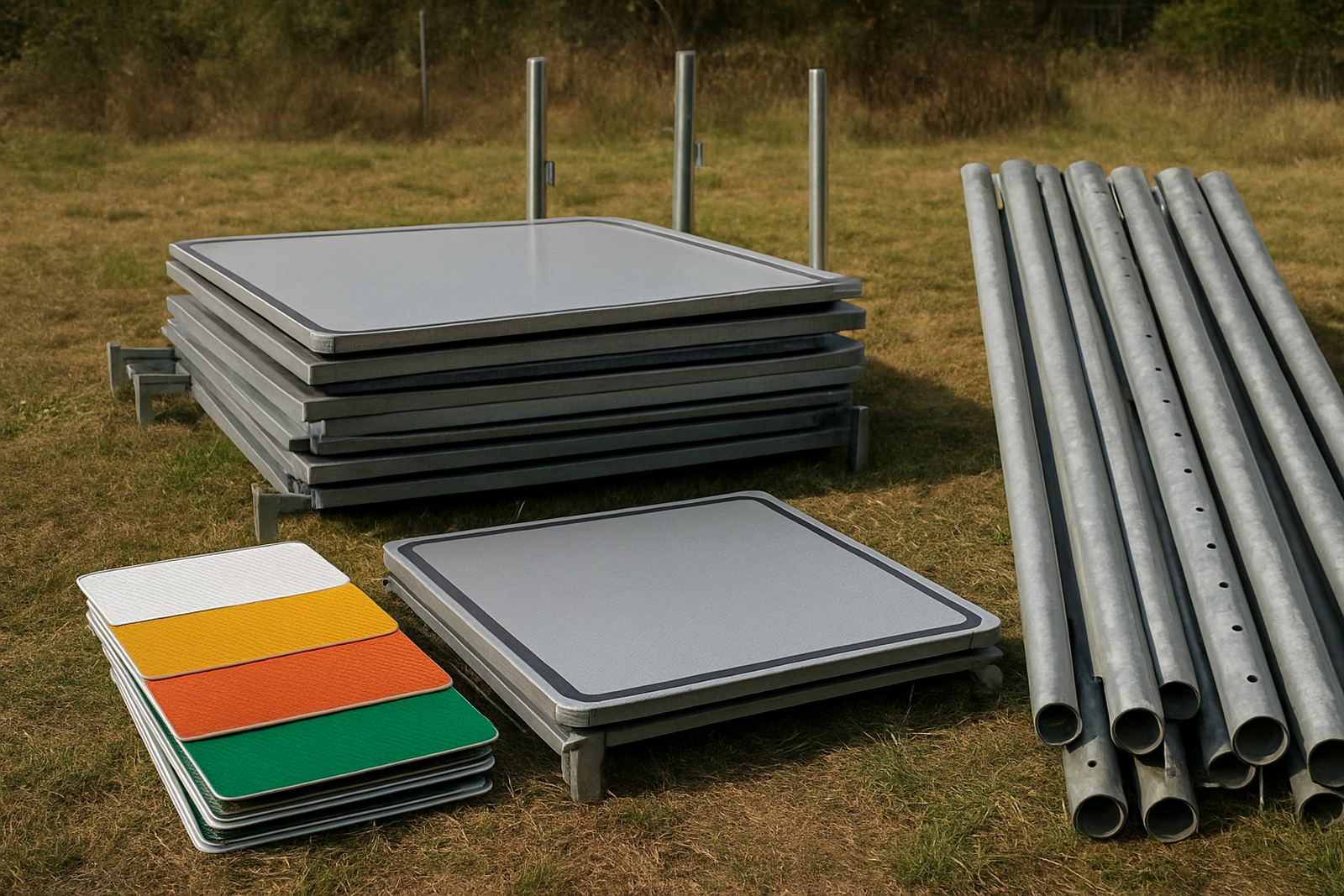
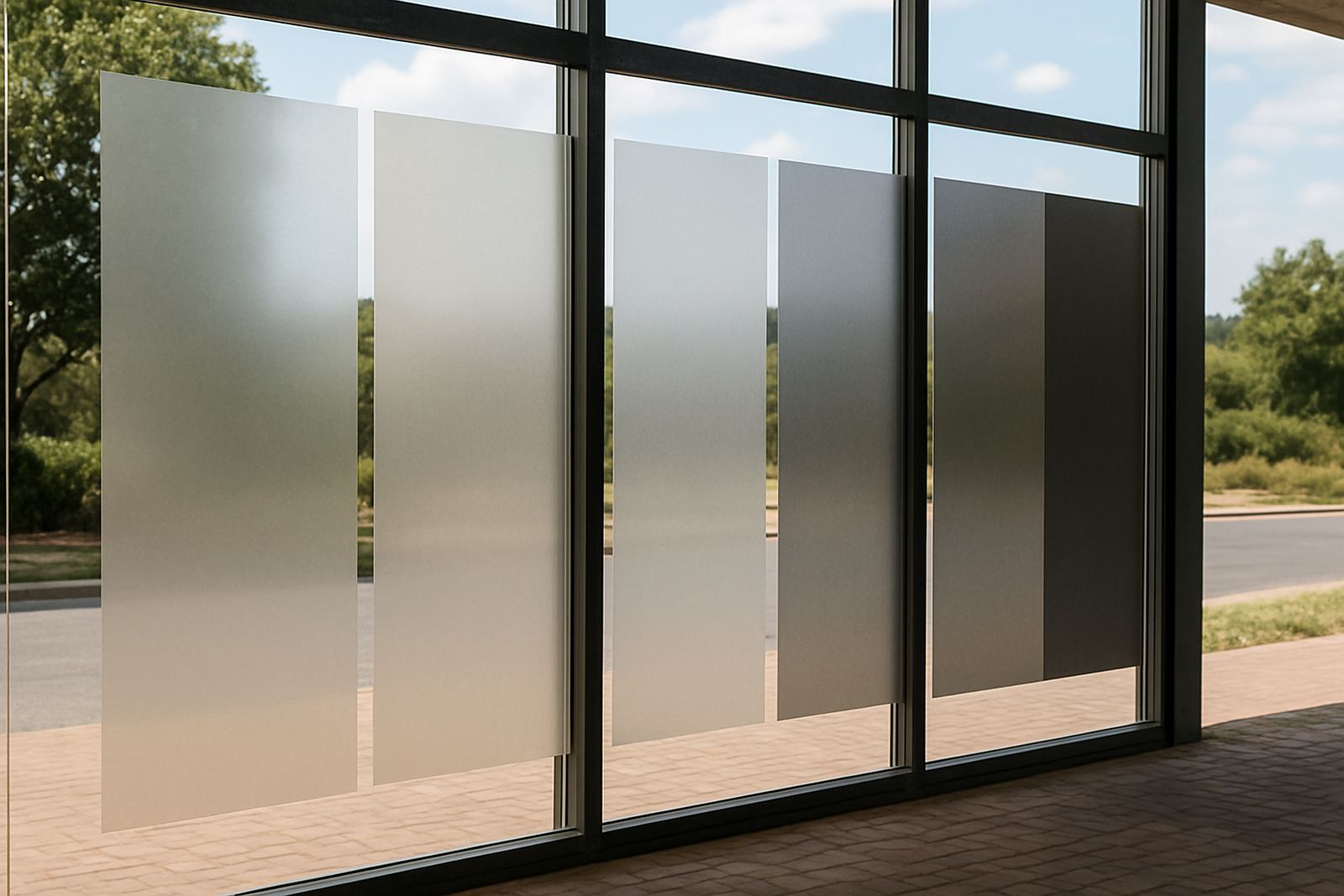
Skin fixing is where many billboards either stay neat or become a maintenance problem. A printed vinyl skin on a rigid panel needs even tension and reliable edge fixing. A sheeted face with bolted rails must be installed so that panels do not oil-can in the wind. If the billboard uses fabricated letters or layered elements, each fixing point must be planned before fabrication starts, not corrected on site after the crane has already left.
The fixing detail should also allow for future servicing. A sign that cannot be opened, re-skinned or cleaned without damage costs more over time. We like to specify fixings that suit the material, because aluminium, Perspex, steel and coated substrates all behave differently in the heat. In summer, expansion matters. On a cold morning the same skin may sit tighter, so the fastening method has to account for movement without splitting or sagging. That is especially important on long faces and wide roadfacing signs.
- Use fixings suitable for the substrate and environment.
- Keep edge lines straight to prevent wrinkling or fluttering.
- Plan access for replacement skins and routine cleaning.
- Test the fixing detail before full production on large formats.
Wind Loading and the Realities of Outdoor Exposure
Wind loading is not an academic note on a drawing, it is one of the main reasons billboard projects succeed or fail. A sign that catches wind like a sail will put stress into the frame, foundation and fixings every single day. On open sites, wind pressure can rise quickly, and the loading gets worse if the billboard sits above a cut embankment or near a corner where air funnels through. That is why we make wind loading part of the conversation from the first concept.
For practical specification, the billboard area, height above ground, edge conditions and panel type all matter. Even the choice between open lattice and solid cladding can change the load pattern. Where needed, we coordinate with the engineer to make sure the structure can handle the worst case and not only the average day. A good sign should be boring in the best way: it stands straight, stays in place and gives no surprises after a storm.
- Check exposure category and site orientation.
- Review frame bracing and anchor bolt details.
- Allow for storm events and maintenance access after bad weather.
- Include corrosion protection and inspection intervals in the spec.
Roadside Viewing Angles and Readability
Billboards are read in motion, so the angle matters as much as the message. A face that is too steep, too high or turned away from traffic can lose impact long before the driver reaches it. We look at approach speed, lane positions, sight lines and the typical decision point on the road. A sign beside a slow-moving urban route can use more detailed copy than one viewed from a highway at 100 km/h, where the message needs to be simple and legible in seconds.
Letter height, contrast and the relationship between image and text all need to work with the angle of view. Reflection and glare should be checked too, especially where a billboard faces the rising sun or strong afternoon light. In some cases, a slight rotation or a change in mounting height gives better legibility than making the sign larger. That kind of adjustment saves steel, reduces cost and improves the actual reading experience. It sounds small, but it makes a big diference.
- Assess traffic speed and driver eye level.
- Keep copy short enough to read at distance.
- Avoid glare from sunlight, headlights and nearby lighting.
- Position the face for the main direction of travel, not just the property line.
What to Prepare Before Fabrication Starts
Once the site, structure and view angle are settled, the specification should move into fabrication planning. That means clear dimensions, material schedules, fixings, paint systems, access details and approval requirements. If the project is in Johannesburg, Pretoria, Sandton or any municipal boundary, there may be local sign controls, road authority conditions or property owner requirements to satisfy before anything goes up. Leaving those questions late can delay installation and create costly rework.
We also recommend planning maintenance from day one. A billboard is easier to manage when the handover pack includes as-built drawings, access notes, cleaning guidance and a replacement schedule for consumables. For clients with multiple sites across Gauteng or the rest of Africa, this matters even more because standardising the spec makes future rollouts quicker and easier to control.
- Issue approved drawings before fabrication begins.
- Confirm materials, coatings and fixings in writing.
- Keep approval records, structural notes and handover documents together.
- Plan maintenance access, inspection dates and emergency callouts.
A Simple Billboard Specification Checklist
If you are managing a billboard project and need a quick internal check, use this sequence before you release the work. It keeps the project moving and helps the engineer, fabricator and installer work from the same facts rather than different assumptions. When the checklist is complete, the project usually runs cleaner and the sign lasts longer.
- Site survey completed and road viewing direction confirmed.
- Structure sized for the actual exposure and billboard area.
- Wind loading checked and signed off by the relevant professional.
- Skin fixing detail confirmed for the chosen material.
- Approvals, access and installation method all aligned.
- Maintenance plan included in the handover pack.
Deep3 Signage Consultants specifies, builds and rigs billboard projects for brands, developers and municipalities from Modderfontein and Johannesburg to Durban and beyond. If you need a billboard specified properly from the start, the enquiry form on our contact page is the right place to begin.