
What Brass Directory Plaques Are Used For
Brass directory plaques are fixed information signs that list tenant names, departments, suite numbers or directional details in a clean, durable format. They are often used at main entrances, reception walls, corridor junctions and shared lobbies where people need to find the right office quickly without cluttering the space.
They suit corporate buildings, municipal facilities, hotels, churches, museums and restored properties where a more traditional finish is preferred. Brass gives a warm tone that works well with stone, timber, painted plaster and darker cladding, and it still reads clearly in natural light. In Johannesburg, Sandton and Pretoria, they are often chosen for professional buildings where first impressions matter but the sign must still stay practical.
Sizes, Layouts and Finish Options
We make brass directory plaques to suit a single name or a full multi-line directory. Common panel sizes start at 150 x 100 mm for small suite signs and run up to 1200 x 900 mm or larger for building directories. For very busy entrances, the plaque can be arranged as a grid with interchangeable name strips, engraved panels or layered sections.
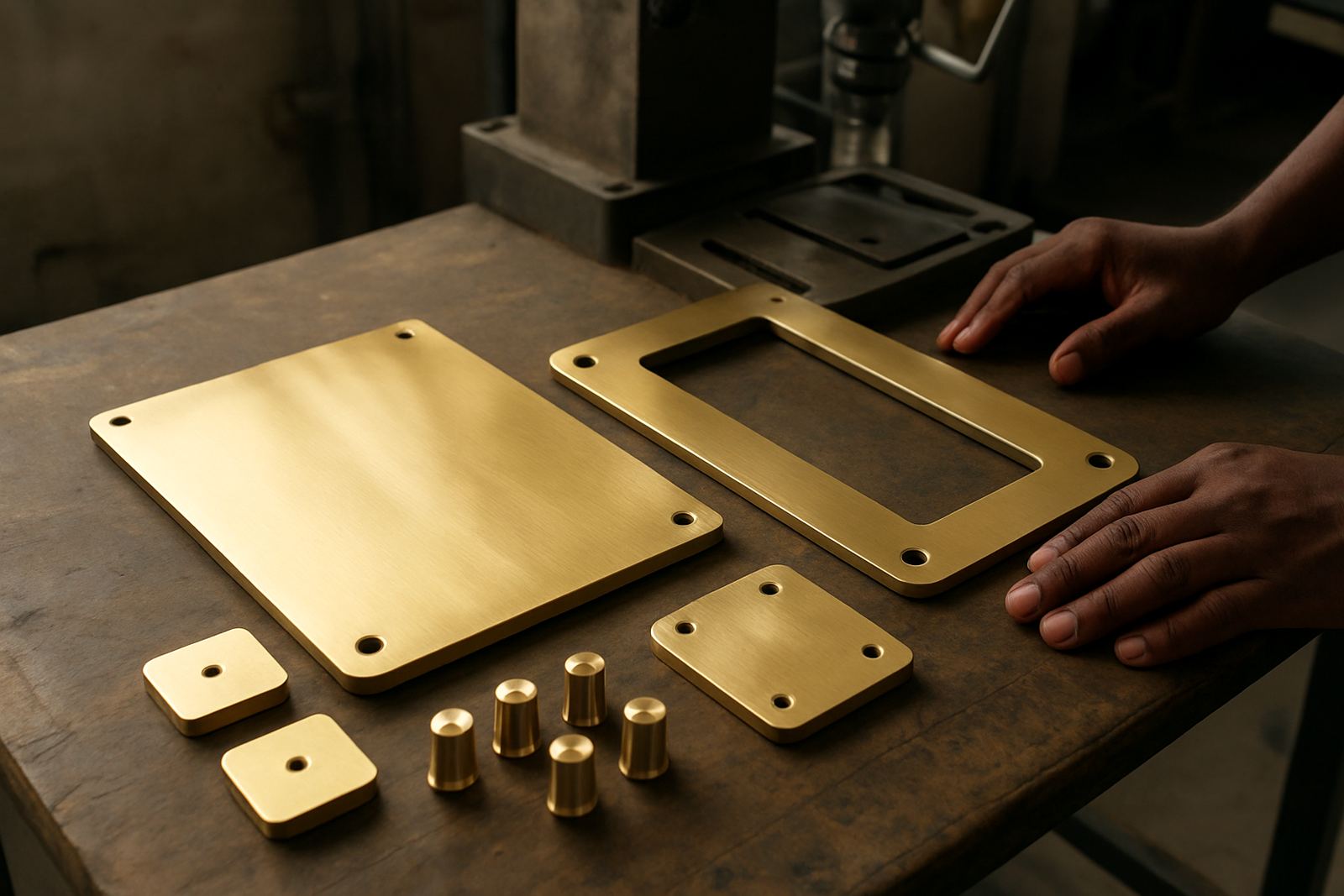
- Solid brass face, brushed or mirror-polished
- Engraved lettering with paint infill for strong contrast
- Mounted on anodised aluminium, acrylic, hardwood or stone backing
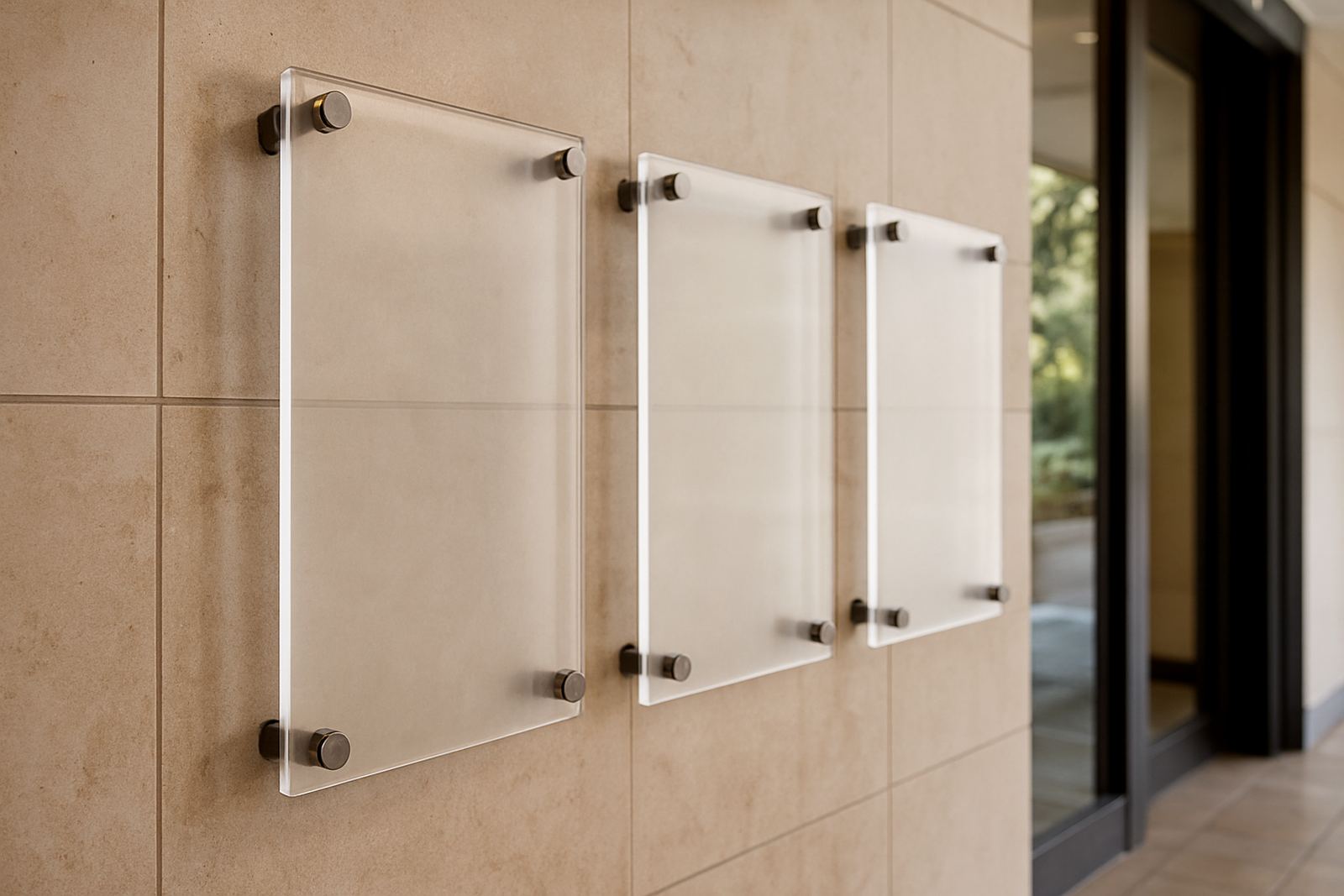
- Standoff fixings or concealed fixings depending on the wall finish
- Single plaque format or modular directory system
Letter height is set according to viewing distance. As a rule, small corridor signs use 12 to 18 mm text, while larger foyer directories may need 25 to 40 mm names and headings. For coastal sites such as Durban or other humid areas, we normally recommend sealed brass with a protective lacquer and fixings suited to corrosion exposure.
Where Brass Plaques Work Best
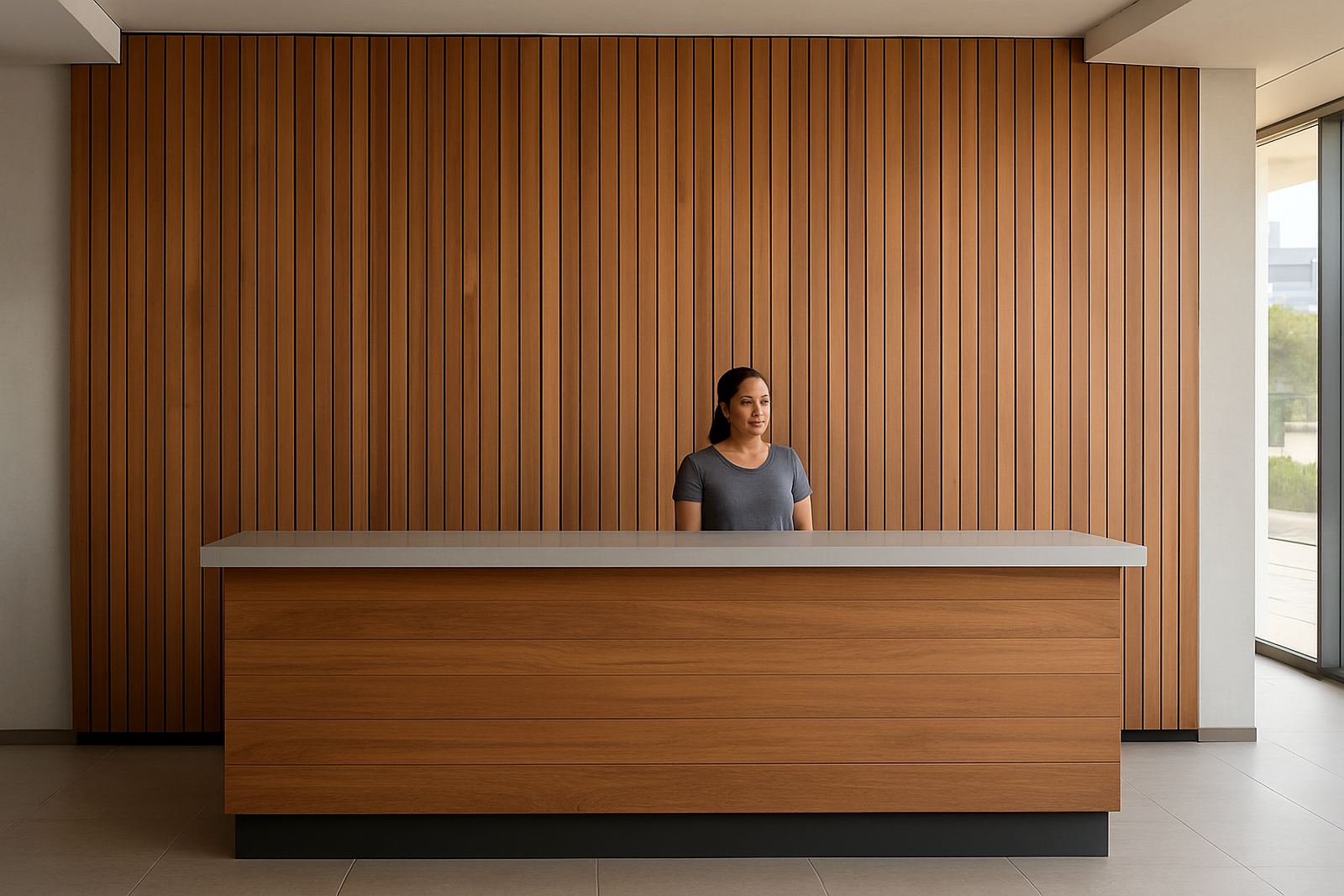
Brass directory plaques work best where the building carries visitors from the entrance to several destinations. That includes corporate foyers, law firms, consulting rooms, multi-tenant office blocks, schools, hospitals and private estates. They are also used in heritage buildings where a painted plastic sign would feel out of place.
For municipalities and public facilities, brass is useful when the sign needs to look formal and remain legible under daily use. It is often paired with wayfinding arrows, zone names and suite listings. In older buildings with thick masonry walls or uneven surfaces, we can design the plaque with a carrier plate so the final installation looks square and neat even if the wall is not perfect.
- Reception walls and lobby directories
- Corridors, stair landings and lift foyers
- Heritage entrances and restored façades
- Tenant directories in mixed-use buildings
- Municipal offices and public counters
Installation, Fixings and Site Requirements
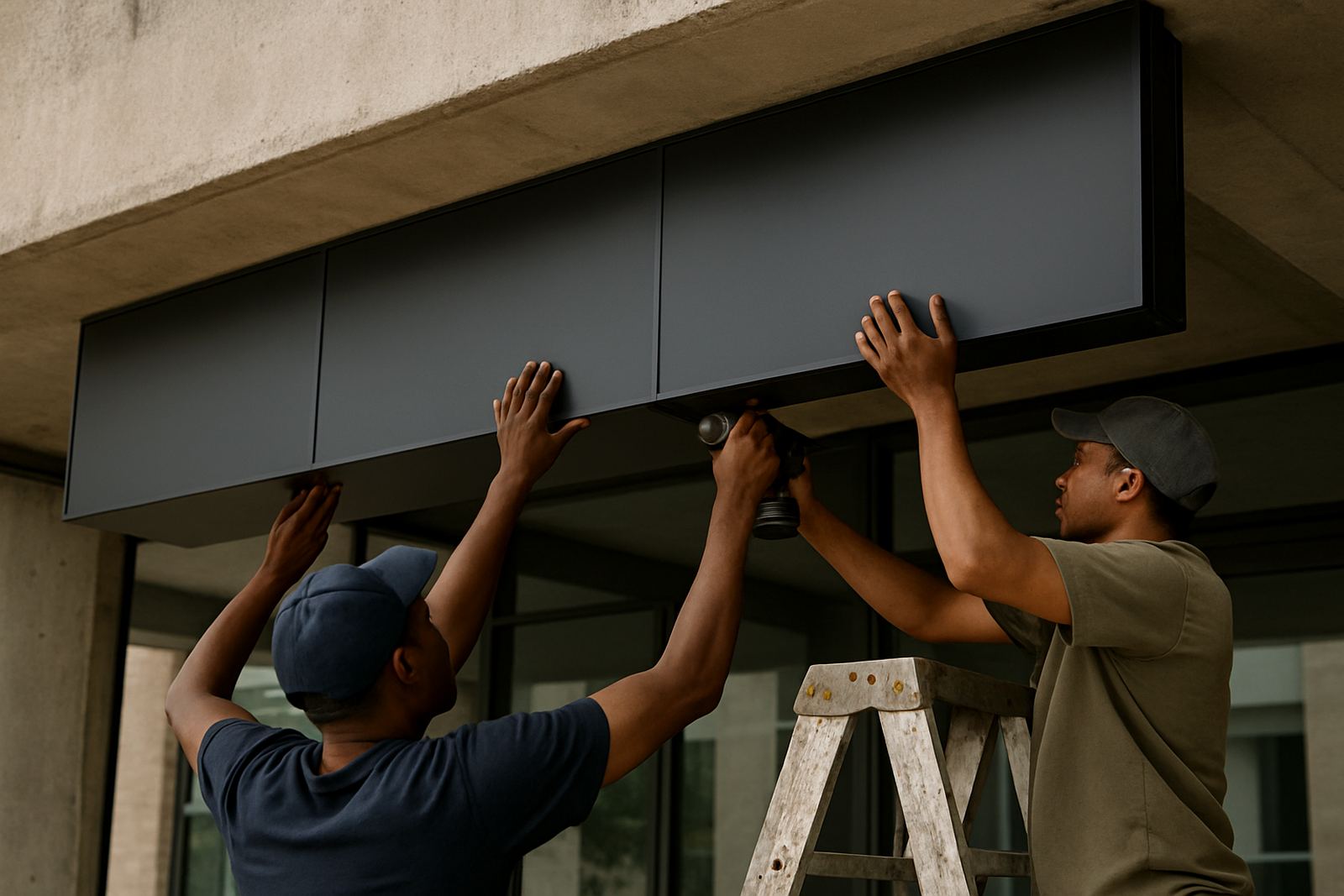
Installation depends on the substrate, plaque size and whether the sign is fixed indoors or outdoors. On plastered walls we normally use drilled fixings with nylon plugs or chemical anchors where the wall is weak. On glass, timber or cladding we assess the surface first so the weight of the brass is properly supported. Larger directory panels may need a backing board or a frame to keep the sign flat over time.
Most brass plaques do not need power or gas. If the directory includes illuminated text, changeable inserts, or a built-in light box then electrical supply must be planned in advance and coordinated with the site electrician. In load-shedding areas we also look at whether the directory must remain readable during outages, especially in foyers or underground parking access points. For external signs, we allow for expansion gaps and weather sealing so the plaque does not lift or stain the wall after heavy rain.
- Check wall material before drilling starts
- Confirm exact mounting height and centreline on site
- Allow for cable routes only if illumination is included
- Use corrosion-resistant fixings for coastal and outdoor jobs
- Coordinate access if the plaque is above a staircase or reception counter
Care, Cleaning and Long-Term Servicing
Brass looks best when it is cleaned lightly and often rather than scrubbed hard once a year. Indoor plaques can usually be wiped with a soft microfibre cloth and a mild, non-abrasive cleaner. Outdoor plaques may need a little more attention because dust, rain spots and airborne pollution can dull the finish. Do not use coarse pads or strong acids because they can scratch the metal or damage the lacquer.
For sites near the coast, or where the plaque is exposed to sun and moisture, we recommend periodic inspection of the edges, fixings and protective coating. If the brass is lacquered, that coating may need reapplication after a few years depending on exposure. On busy municipal or commercial sites, we can include servicing in the handover plan so the plaque keeps its colour and the lettering stays readable.
What to Confirm Before Ordering
Before we fabricate a brass directory plaque, it helps to confirm the wording, final size, mounting position and whether the layout may change later. If tenant names change often, a modular directory is usually better than a fixed engraved panel. If the sign must match existing heritage finishes, we will also want a sample of the wall colour, nearby metalwork or a clear photo from site.
Please check the following before approval:
- Exact wording, spelling and punctuation for every line
- Finished size in millimetres and the viewing distance
- Indoor or outdoor exposure, including sun and rain
- Preferred finish, brushed, polished or aged effect
- Whether the plaque needs backer, standoffs or concealed fixings
- Any approval requirements from body corporates, municipalities or heritage authorities
We manage specification, fabrication and installation from our Modderfontein base, with projects running through Johannesburg, Pretoria, Centurion, Midrand, Sandton, Randburg and further afield where access and logistics allow. For the best outcome, give us the site details early so the plaque is made to suit the wall, the traffic flow and the building rules, not just the drawing.
Key facts
| Product type | Brass directory plaque for indoor and outdoor wayfinding |
|---|---|
| Typical sizes | 150 x 100 mm to 1200 x 900 mm, larger on request |
| Material options | Solid brass face, brass veneer or brass-look metal finish |
| Finish options | Brushed, mirror-polished, lacquered or aged brass effect |
| Mounting options | Standoffs, concealed fixings, backing board or framed system |
| Power or gas requirement | None for standard plaques, electrical supply only if lighting or changeable illumination is included |