What Contra Vision film does on glass
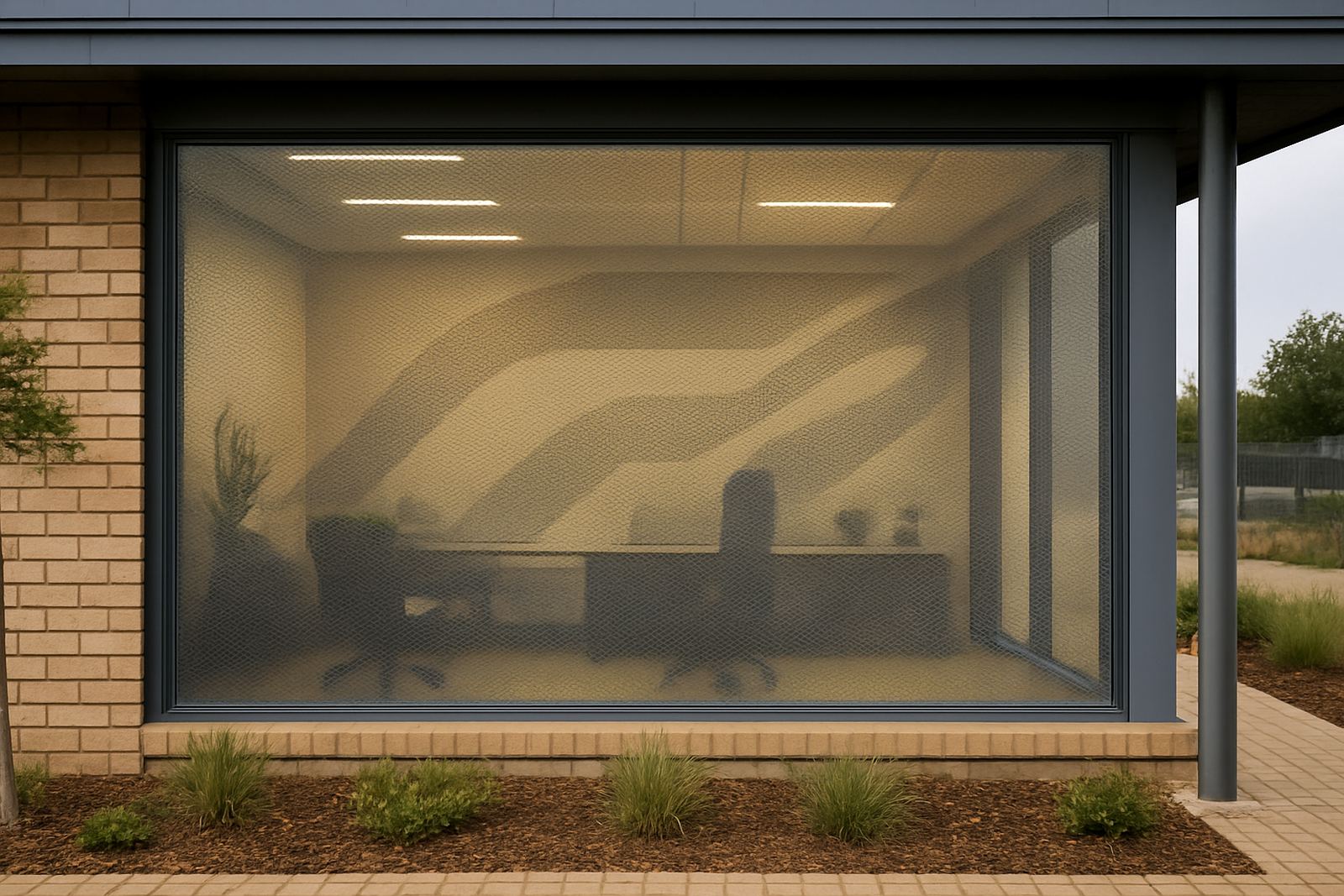
Contra Vision film is a printed perforated vinyl applied to windows and glazed doors. From the outside, the printed face carries your message, logo, pattern or notice in full view. From the inside, the tiny perforations allow people to see out through the glass during the day, which is useful in receptions, retail spaces and occupied offices. It is a practical option where you want branding without blocking every bit of daylight.
The film is commonly used on street-facing glass in Johannesburg, Sandton, Midrand and Pretoria, especially where a tenant wants to mark a site clearly but still keep the interior light and usable. It also helps reduce glare on sunny sides of the building, although it is not a substitute for proper solar control film. If your site has strong west-facing sun or heavy street activity, this type of film can be part of a wider signage plan.
Sizes, print options and finish choices
We specify perforated film to suit the opening sizes on site, then prepare the print and cut layout around mullions, handles and door swings. Typical single-panel widths depend on the glass layout, but the film is usually installed in full sheet sections that match the pane sizes rather than being broken up into small pieces. This keeps the line work cleaner and reduces joins.
- Printable face: full colour graphics, logos, text and directional messaging
- Perforation ratio: chosen to balance exterior print impact with interior visibility
- Finish: standard printed face or a more muted graphic treatment for office use
- Cutting: square panels, shaped panels or door-height strips
- Lamination: optional, depending on exposure, handling and cleaning needs
For most commercial sites, we work with measurements taken from the actual glass, not just the frame size, because sealant beads, corner radii and fixing profiles can change the usable area. That bit matters when the film needs to line up with an entrance sign, a privacy band or an internal logo. The wrong allowance can leave your message sitting too high or too low.
Where it suits best in Gauteng and beyond
Contra Vision film suits customer-facing and staff-facing glass where visibility and branding both matter. It works well on shopfronts, estate offices, call centres, clinics, distribution buildings and municipal service counters. It is also used on temporary hoarding windows, campus buildings and vehicle windows where a controlled level of privacy is useful.
In Gauteng, it often performs well on sites with heavy pedestrian traffic, such as retail streets, transport interchanges and office parks. In coastal areas like Durban, the adhesive and edge details need careful preparation because humidity can affect curing and cleaning. On hot, exposed façades in Pretoria or Germiston, it helps to plan for movement in the glass and for direct sunlight hitting the print through the day.
For loading bays, security gates and service entrances, we check whether the film will be seen mostly from close range or from across a parking area. That affects artwork size, contrast and how much detail should be included. A design that reads well at 20 metres can become messy at 2 metres if the copy is too busy.
Installation conditions, access and power needs
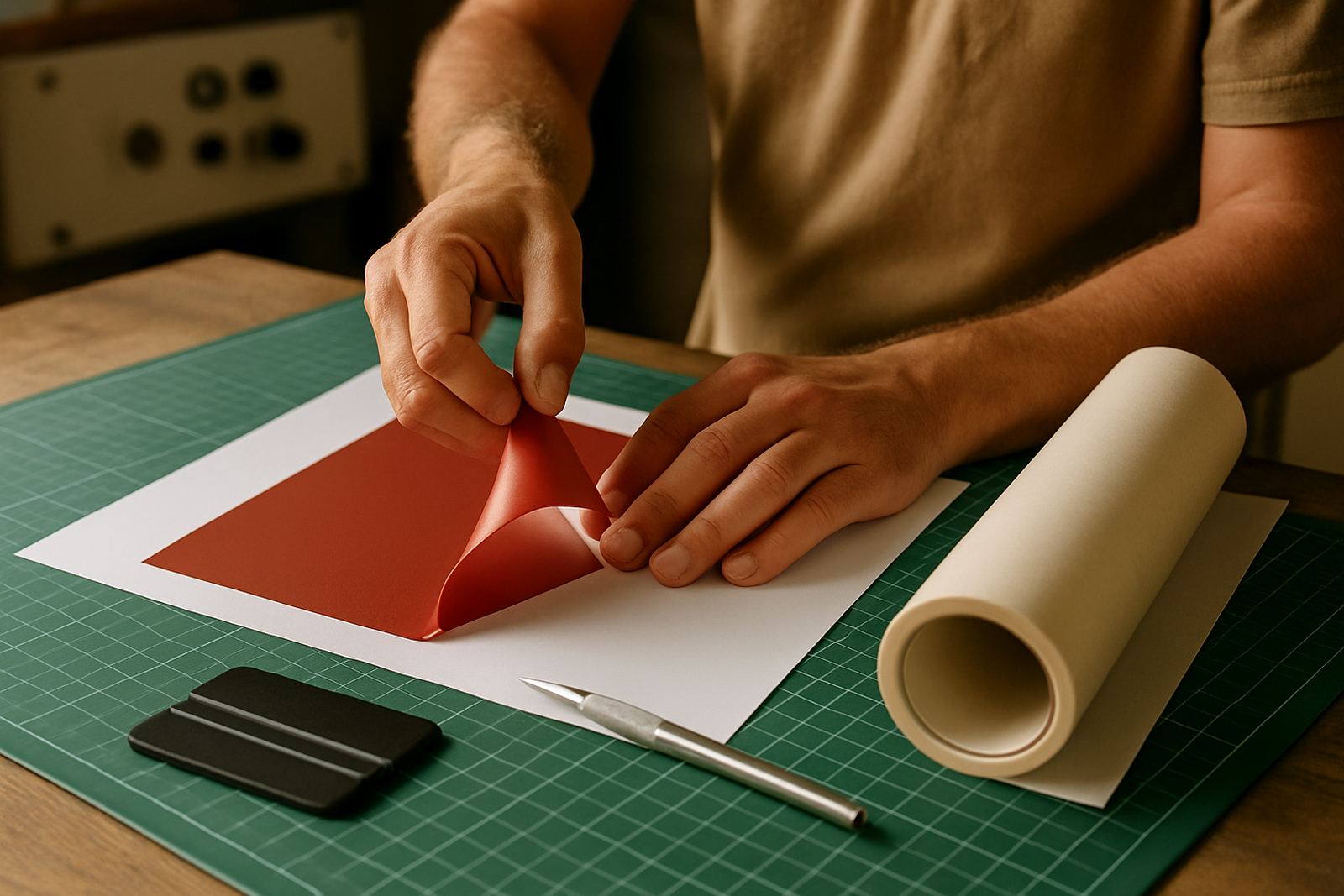
Film installation is a clean job, but it still needs the right conditions. The glass must be dust-free, grease-free and dry, with no loose sealant or flaking paint at the perimeter. We usually check the site first, confirm access equipment and agree on the working sequence so that reception areas, trading floors or security-controlled entrances are not disrupted.
There is no gas requirement for the film itself. Power is not needed for the material, but if the window treatment forms part of a light box, illuminated sign or nearby LED screen, we coordinate the electrical side with the broader signage package. On live sites, we also consider load-shedding, after-hours access and whether the building has enough temporary lighting for safe fitment. In some cases, a cleaner night shift is easier than trying to install on a busy morning.
- Glass should be fully cured, clean and dry before application
- Allow for ladders, access towers or scissors lifts where required
- Plan around alarm sensors, access control and opening hours
- Check whether the glazing is laminated, tinted or treated
- Confirm if the film must be removable for lease or municipal reasons
Care, servicing and how long it stays presentable
Once installed, perforated window film needs straightforward care. It should be cleaned with a soft cloth or sponge, mild soap and water, then dried gently. Harsh solvents, abrasive pads and high-pressure washing near edges should be avoided. If the site is coastal or near traffic dust, a more regular wipe-down keeps the print legible and stops the perforations from clogging.
Edges are the part to watch. If the film is picking up dirt or moisture at the corners, or if the adhesive starts lifting, servicing should happen quickly before the issue spreads. In offices and retail centres, we often recommend a maintenance check during the normal sign service cycle so the film stays tidy alongside other graphics. That small bit of routine care extends the life and keeps the view from inside usable.
If the window has been subjected to repeated opening, cleaning or direct sun on the edges, we may suggest replacing only the affected section rather than the whole pane, depending on the artwork layout. This is particularly useful for branches and tenant spaces where the message changes from time to time.
What to check before ordering contra vision film
Before production starts, we confirm the measurements, the viewing direction and the message hierarchy. On perforated film, what is read from outside is not always what feels best from inside, so the balance needs to be right. For a street shop, a bold logo and clear opening hours may be enough. For a corporate building, it may need to carry brand identity without making the interior dark or overly busy.
- Exact glass sizes, including visible pane dimensions
- View direction: who must see the graphics and from where
- Artwork resolution, logo files and approved wording
- Any security tint, frit, decals or existing graphics already on the glass
- Whether the film must be temporary, removable or long-term
- Installation timing, especially if the site is trading or under construction
We also check whether the site rules require approvals, method statements or after-hours rigging. For municipalities, developers and multi-tenant buildings, this can affect how the job is scheduled and whether there are restrictions on ladders, access equipment or working near public walkways. Getting those details up front avoids delays later on.
Key facts
| Product type | Perforated printed window film for glass application |
|---|---|
| Visibility | Graphics visible from outside, with through-view from inside during daylight |
| Typical use | Shopfronts, offices, estates, municipal buildings, depots and vehicle glazing |
| Material options | Printed film with optional protective overlaminate depending on exposure |
| Application surface | Clean, sound glass only, including fixed panes and selected glazed doors |
| Service life | Depends on sun exposure, cleaning routine and site conditions; periodic inspection recommended |