What a fabric light box is and how it works
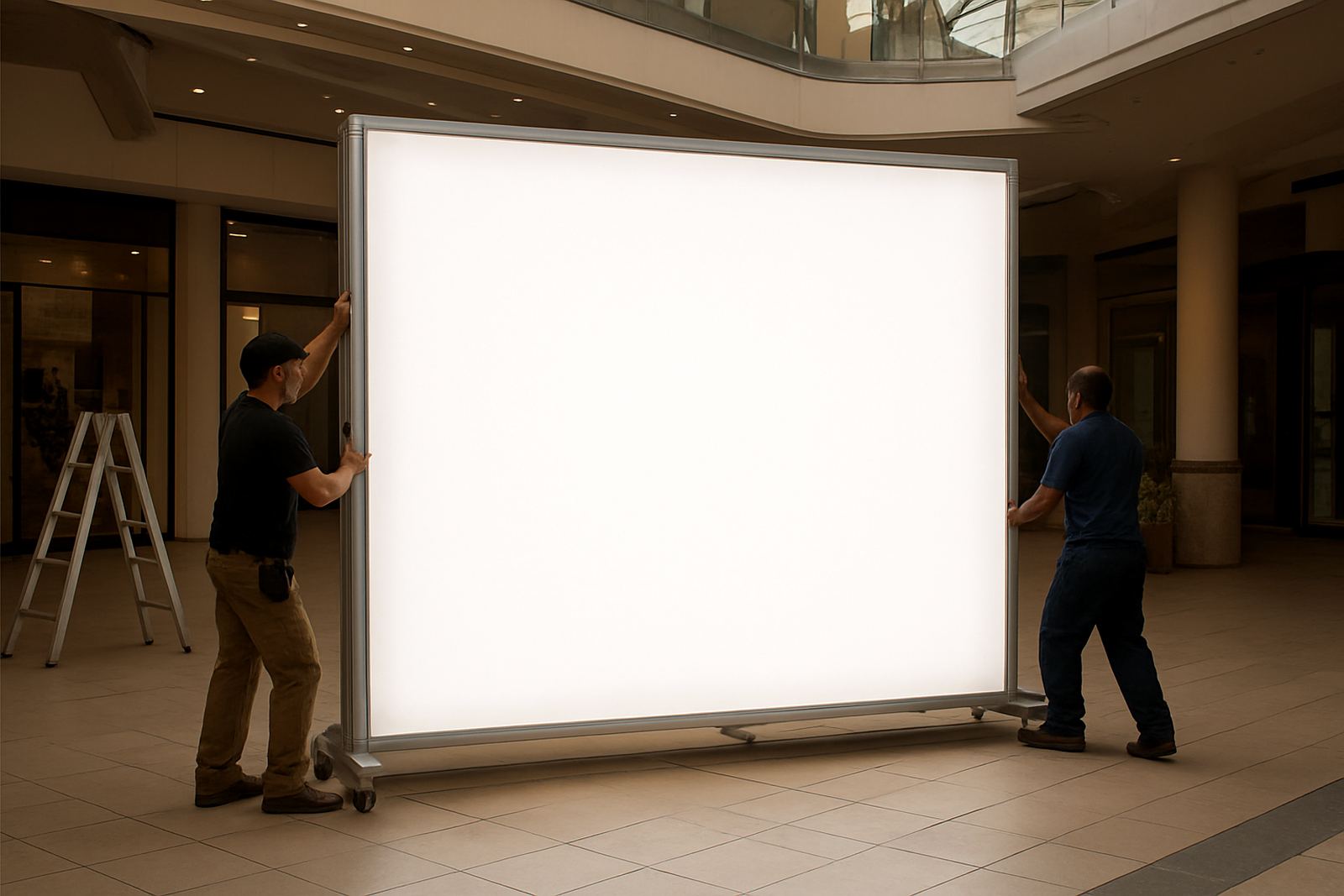
A fabric light box is a slim illuminated display with a printed stretch fabric face pulled over an aluminium frame. Internal LED modules or LED strips wash the graphic from behind, giving a smooth face with no visible join lines and very even light across the panel.
The system is well suited to logos, campaign graphics, product visuals and directional messaging. Because the face is tensioned, the graphic sits flat and looks neat even in high traffic areas. In Gauteng retail centres and office foyers, the units are often preferred where you need a cleaner finish than a rigid board sign and a lighter structure than traditional illuminated casings.
- Frame depth typically from 80 mm to 160 mm depending on size and access
- Fabric face printed in full colour, with hem or silicone edging for tensioning
- LED illumination designed for long duty cycles and low heat output
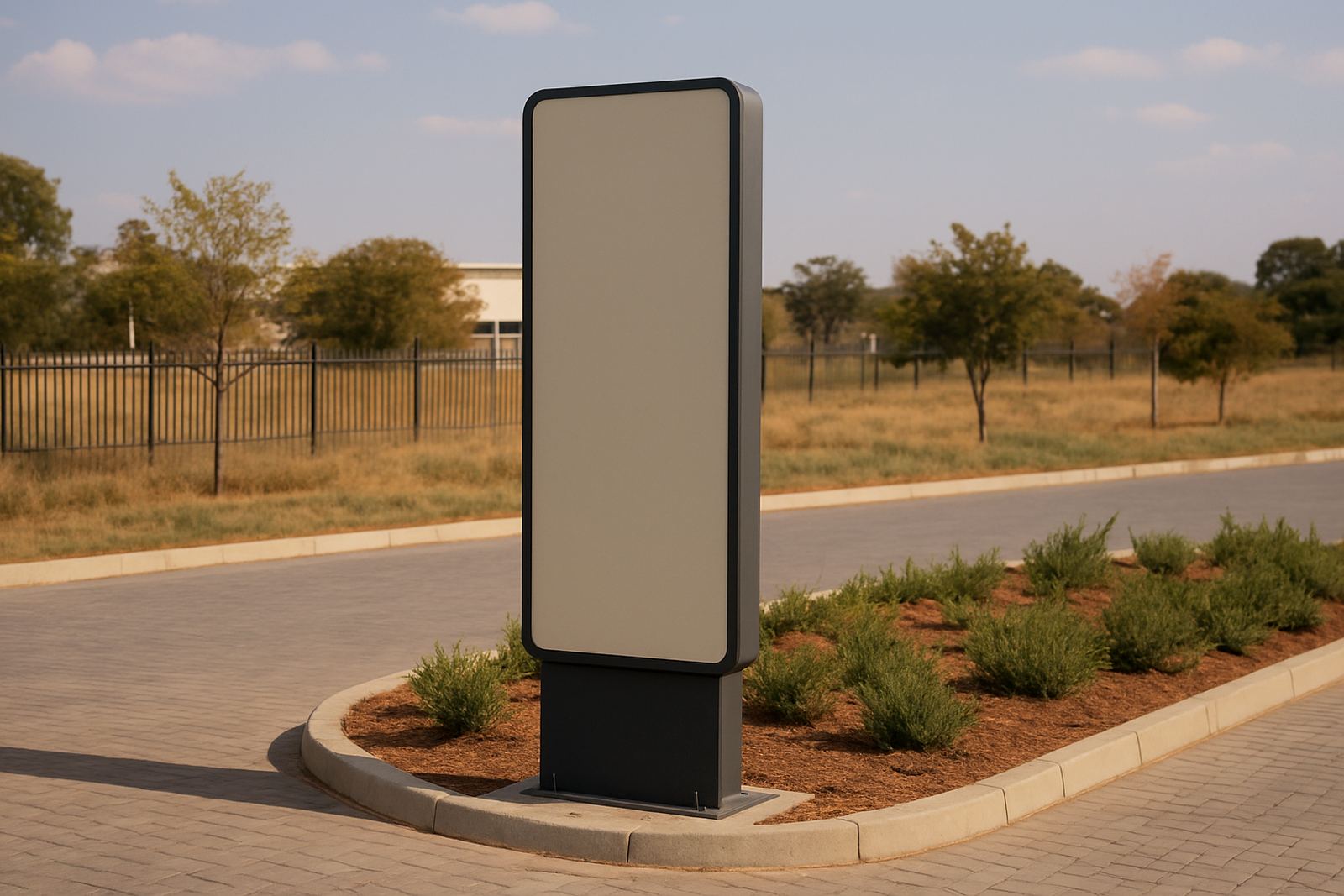
- Single-sided or double-sided formats available for freestanding use
Common sizes, frame options and finishing choices
Fabric light boxes can be made in compact wall-mounted sizes or large format feature panels. For smaller interiors, we often specify panels from 600 mm x 600 mm upwards. For malls, exhibition stands and feature walls, sizes can run to several metres in width and height, with modular joining where needed for transport and site handling.
Frames are usually aluminium for strength and low weight. Finishes can be powder coated in a matching colour, or left in a clean metallic finish where the unit sits inside a tenant space. If the display needs to be moved between venues, a portable system with tool-free face removal may be the better choice. For permanent installations, the frame can be built into a wall recess or mounted on a backing structure.
- Wall-mounted, suspended or freestanding units
- Single-sided and double-sided configurations
- Edge-lit or backlit LED layouts depending on depth and graphic size
- Custom shapes possible, including arches, circles and split modules
Where the box is used near glass, polished floors or painted surfaces, the frame detailing should allow for neat shadow lines and service access. That makes maintenance easier and helps the face stay aligned over time.
Best fit for malls, interiors, exhibitions and activations
These displays are used where message changes are more frequent and the finish must stay clean. In malls they work well for anchor tenants, promotional walls, directory features and temporary campaign branding. In office interiors they suit reception backdrops, meeting room fronts and brand walls. At exhibitions and launches, they give a strong light output without needing bulky structures.
For promotional activations, a fabric light box is a practical option because the graphic can be changed without replacing the full frame. That helps when campaigns run for short periods or when several tenants need shared display infrastructure. The same frame can be reused with new fabric skins, which keeps long term costs under control.
- Malls and retail corridors
- Corporate foyers, lobbies and tenant spaces
- Exhibition stands and roadshow activations
- Product launches, pop-up spaces and showrooms
Installation, mounting and site power needs
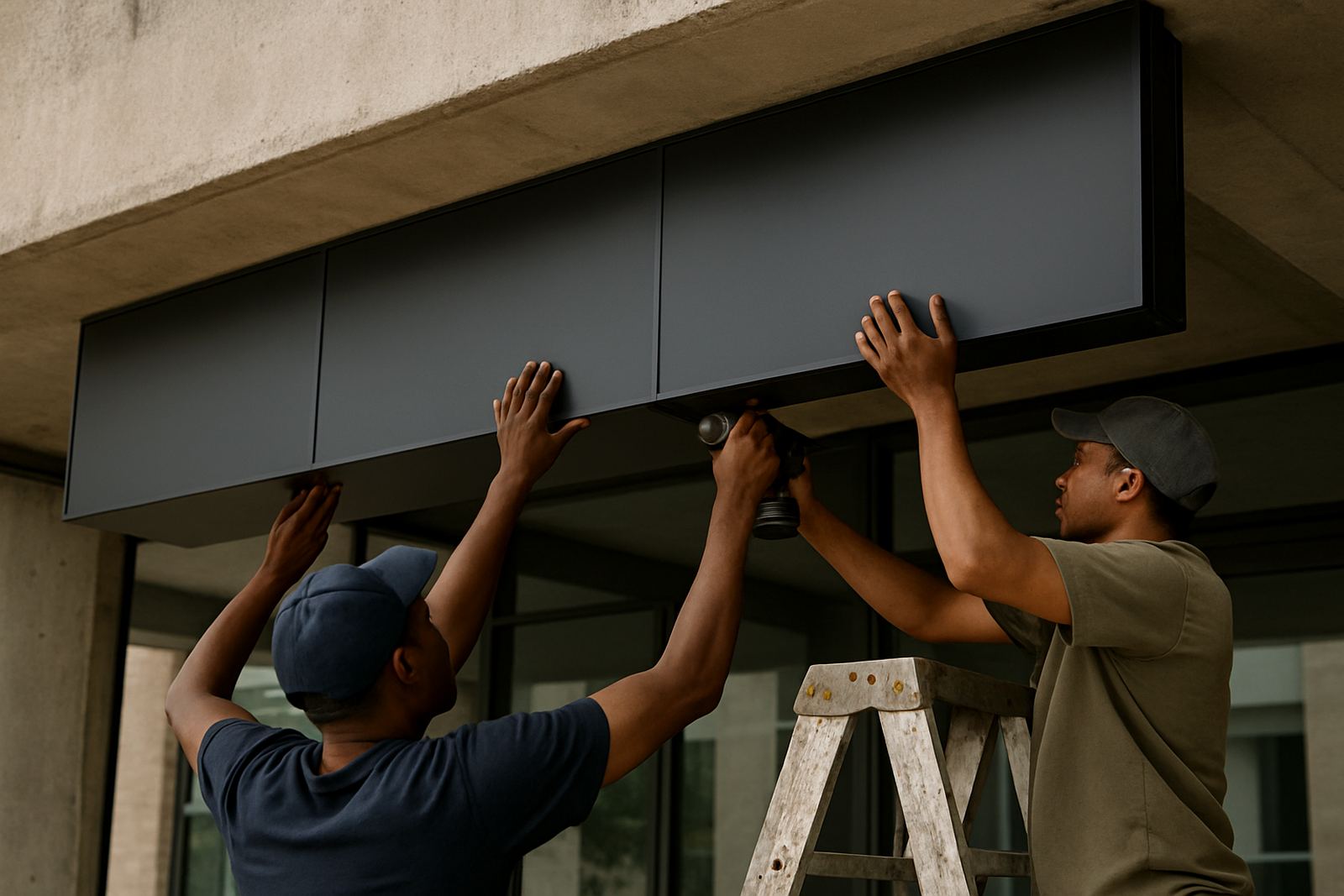
Installation depends on the mounting type and where the unit sits in the building. Wall units need a level fixing surface, correct support points and enough clearance to fit the frame and face. Suspended units need coordinated rigging points, especially in double-volume spaces or exhibition halls. Freestanding units need a stable base and, if the panel is large, hidden ballast or a structural plinth.
Power is usually standard 220V AC with a transformer or driver arrangement matched to the LED system. The electrician must allow for an accessible isolator and safe cable routing. In malls and public areas, building management may require approval for working hours, fire compliance and fixing methods. If the site is on generator or backup supply, the load should be checked in advance so the lighting does not trip when other tenant services come online.
- Check wall loading, ceiling fixing points and access for lifting gear
- Confirm power source, cable route and driver location before fabrication
- Allow for access panels where the unit needs future maintenance
- In busy centres, plan installation around trading hours and security access
Care, cleaning and ongoing servicing
The fabric face is easy to maintain if it is handled properly. Dust can usually be removed with a soft dry cloth or a low suction vacuum head. For marks, use a damp cloth and mild detergent on a small area first. Harsh chemicals, scouring pads and strong solvents should be avoided because they can damage the print or affect the tensioning edge.
LED components give long service life, but they still need periodic inspection. Drivers, wiring and fixings should be checked for heat build-up, loose connections and dust, especially in coastal or humid conditions where corrosion can creep in over time. In Gauteng dust and construction activity can clog vents and access points, so servicing is worth planning rather than waiting for a failure.
- Clean the fabric face gently, never scrub the printed surface
- Check LED performance for dimming or hot spots
- Inspect frame joints and tension edging at regular intervals
- Replace graphics or drivers when colour consistency starts to drift
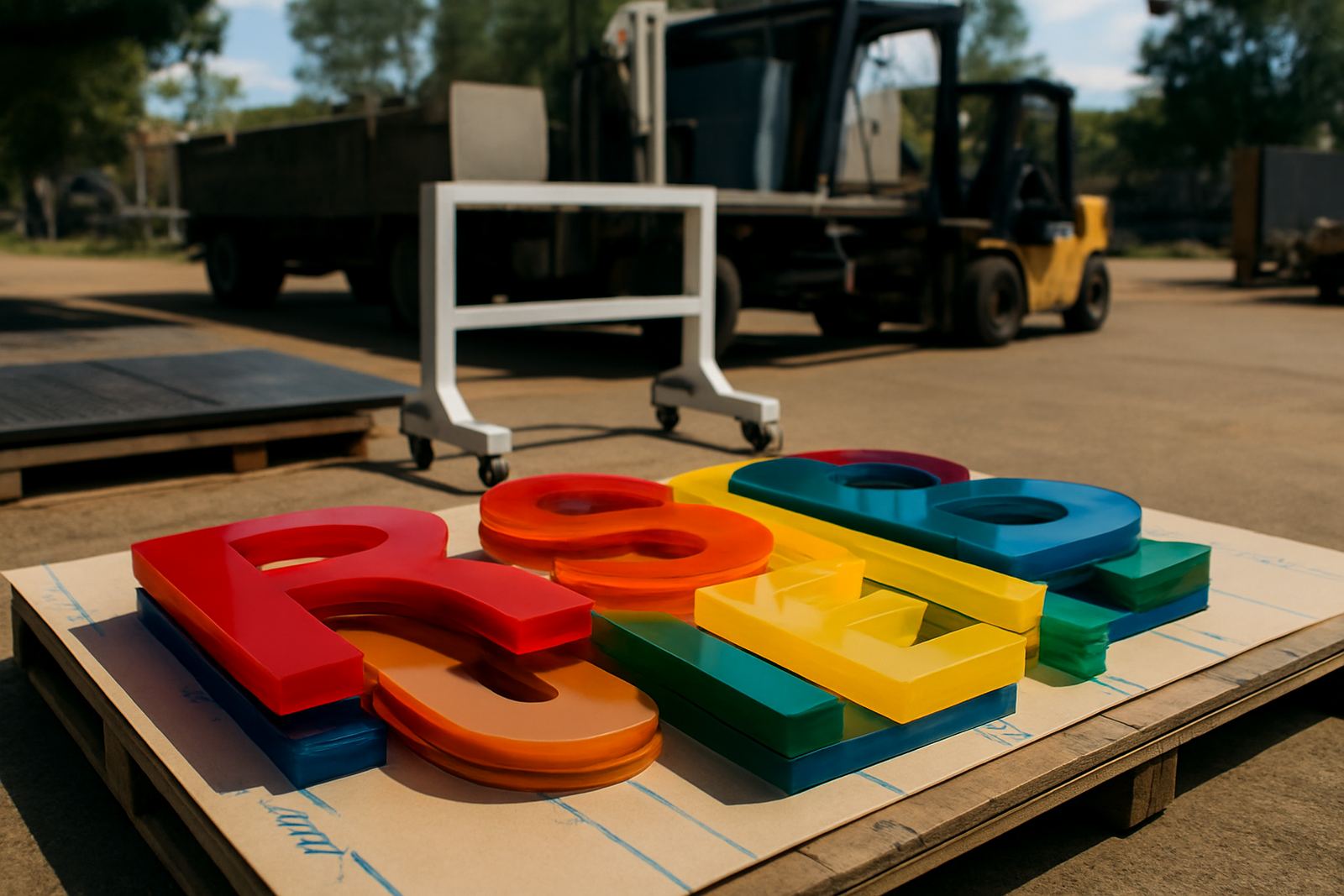
Checks to make before you order 3D letters
Before ordering, confirm the finished size, viewing distance and whether the display must be single or double-sided. The graphic resolution should suit the viewing range, and the fabric type should match the lighting level so colours do not wash out. If the unit is for an outdoor edge under cover, ask for extra attention to moisture protection and service access.
It also helps to confirm how the frame will be delivered, installed and maintained. On larger projects, we look at site surveys, structural coordination, approval support and the handover pack so the display can be managed properly after installation. If the box is part of a wider rollout across Gauteng or elsewhere in Africa, consistency in frame depth, light output and print spec matters from the start. Get the small details right and you avoid rework later on, which is always cheaper.
- Finished dimensions and exact orientation
- Power point location and access for servicing
- Graphic file quality and colour expectations
- Mounting method, fixing substrate and site conditions
For enquiries, clients use the contact form and our team will work through specification, fabrication and installation requirements in practical terms.
Key facts
| Frame material | Aluminium extrusion with concealed fixing detail |
|---|---|
| Face material | Tensioned printed fabric with silicone or hem finish |
| Illumination | High output LED modules or strips, 220V AC supply |
| Typical depth | 80 mm to 160 mm, project dependent |
| Mounting types | Wall-mounted, suspended or freestanding |
| Use environments | Malls, interiors, exhibitions, showrooms and activations |