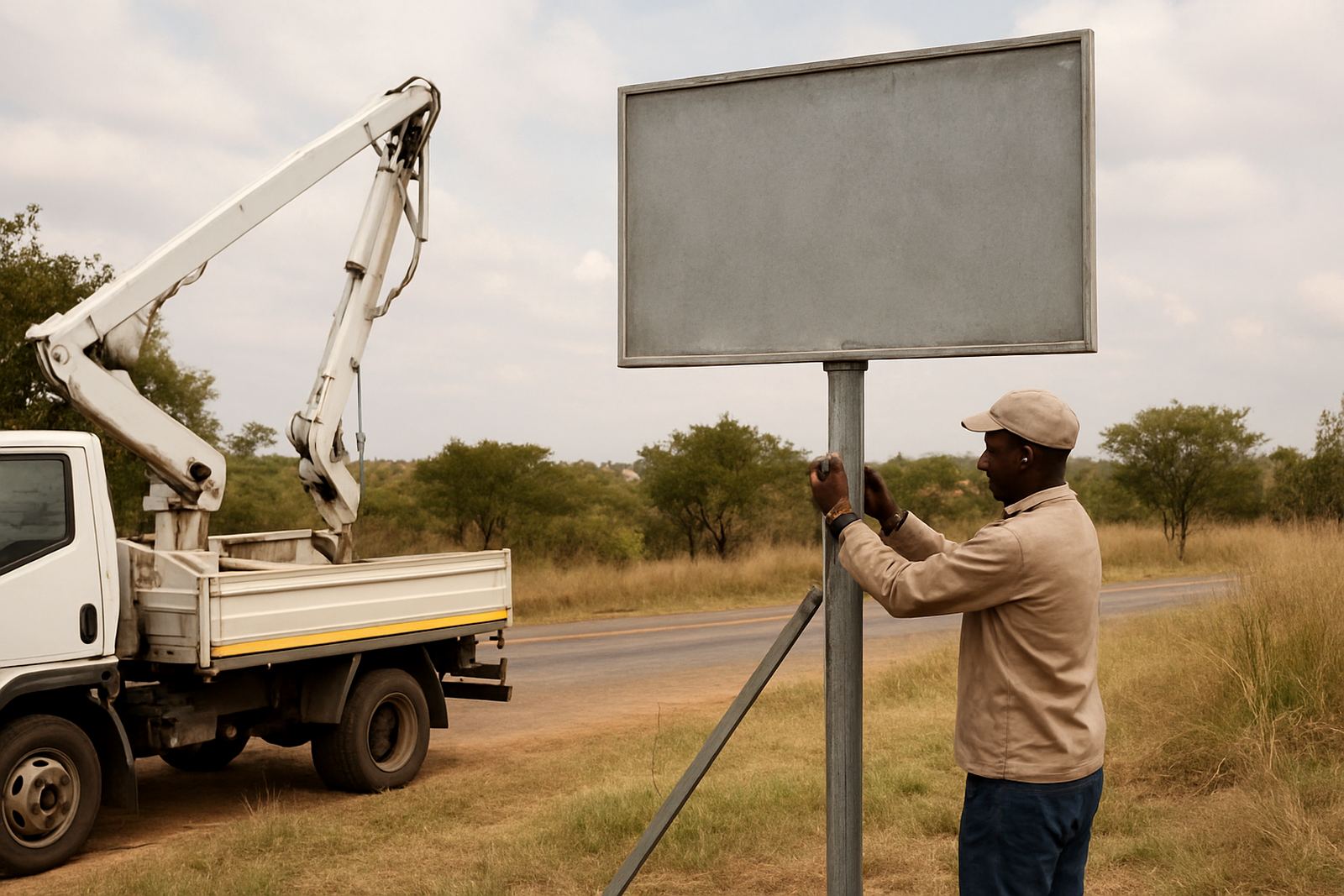
How to log a maintenance request
Start with a clear description of the issue and where the sign is located. Tell us the site name, suburb, access details, the type of sign and when the problem was first noticed. If the sign is on a retail centre, office park, municipal site or a high-rise facade, include the nearest entrance, level or bay so the team can find it quickly.
When a request comes in, we review the fault, the location and any safety concerns. A flickering lamp may need a different response from a loose panel, water ingress or a bent support member. The more detail you provide, the quicker we can decide whether the matter needs a routine call-out, a repair team or an urgent site inspection.
- Location and suburb
- Type of signage or LED screen
- Visible damage, flicker, or structural movement
- Any risk to staff, customers or passing traffic
- Photos if available
Common faults we are asked to attend
Most maintenance requests fall into a few common groups. Lamp failures and power issues are frequent on illuminated signs, especially after load-shedding, surges or unstable site supply. Vinyl can lift at the edges, Perspex can crack after impact and aluminium can show movement after strong wind or heavy rain. On coastal jobs, salt and humidity can shorten the life of fixings, cables and housings.
We also attend damage caused by vehicle strikes, vandalism, lightning, corrosion and poor drainage around plinths or bases. If the sign is a pylon, billboard, road sign or large fabricated face, even a small defect can become a safety concern if left too long.
- Flickering or dead illumination
- Loose returns, trims or panels
- Storm damage and water entry
- Corroded fixings or brackets
- Cracked faces, bent posts or impact damage
What to include before we visit site
A complete request helps us plan the right team and equipment. For some sites we only need a technician with access gear. For others we may need traffic control, an electrician, a rigging crew or a structural check before anyone starts work. If your site has municipal rules, landlord approvals or restricted working hours, tell us upfront so there are no delays on the day.
It also helps to advise whether the sign is still powered, whether access is from ground level or roof level, and whether there are any hazards nearby such as overhead lines, live traffic or wet ground. On busy Gauteng sites, a clean site note saves time and keeps everybody safer.
- Working hours and access restrictions
- Power status and isolation points
- Traffic or pedestrian control needs
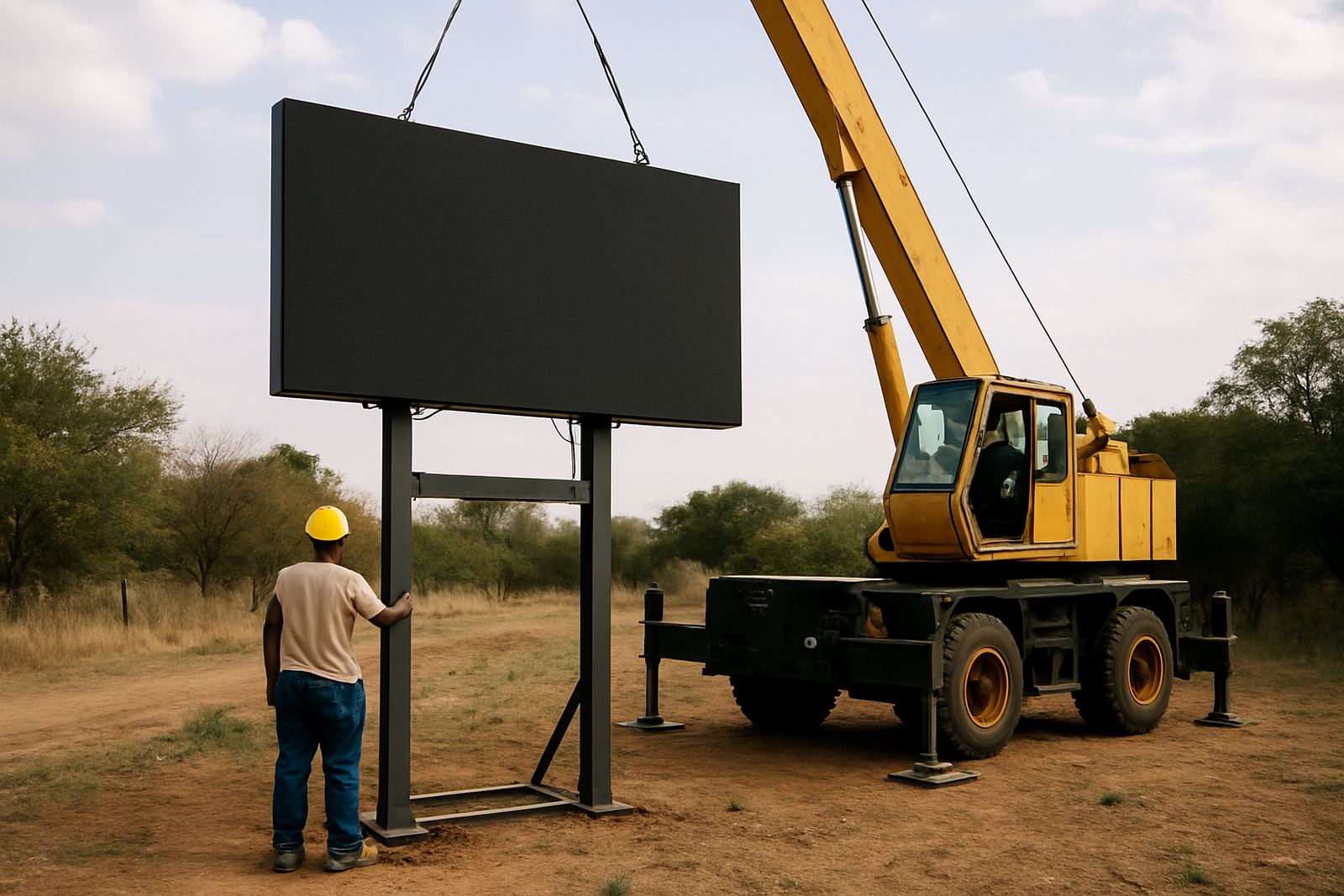
- Any height, roof or crane access issues
- Permission requirements from landlord or municipality
When a fault needs urgent attention
Some issues can wait for a scheduled visit, but some need urgent action. If a sign is hanging loose, making noise in the wind or leaning out of line, do not let people stand underneath it. The same applies to a pylon with movement at the base, a screen with exposed cables, or a façade sign showing visible separation from the wall. We may first recommend isolating power, cordoning off the area or stopping use until the sign is safe.
If storm weather has passed through Johannesburg, Pretoria or the coast, check for water inside housings, rust streaks, cracked seals and damaged fixings. A small fault can point to a bigger issue inside the frame or support structure, so early reporting is always better than waiting for total failure.
Repair, replacement and long term upkeep
Maintenance is not only about fixing what is broken. It also helps extend the working life of the sign and reduce repeat call-outs. We can advise on lamp replacement, cleaning intervals, resealing, bracket tightening, cable checks and access planning for future visits. For digital screens, this can include module checks, ventilation, power protection and maintenance planning around operating hours.
Where a part is worn beyond repair, we will advise on replacement options that suit the existing structure and the site conditions. On exposed sites, the right material choice matters. For example, a coastal installation may need better corrosion protection than an inland site, and a municipality may require certain sightline or height rules to be kept in place.
How Deep3 handles existing signage work
Our support team works from Modderfontein and assists clients across Sandton, Midrand, Randburg, Germiston, Pretoria, Centurion and Durban. We support brands, developers and municipalities with signage already in the field, from printed vinyl to fabricated lettering, light boxes, road signs, pylons, billboards and LED video screens. The aim is to get a clear view of the fault, make the site safe and arrange the right solution with as little disruption as possible.
Every request is handled with the same practical approach: inspect, assess, report and act. If the issue needs repair we will guide the next step. If it points to a structural concern, we will flag it early and coordinate accordingly. That keeps the site safer, the sign in better condition and the process more manageable for the client.