Guest arrival sets the tone before reception
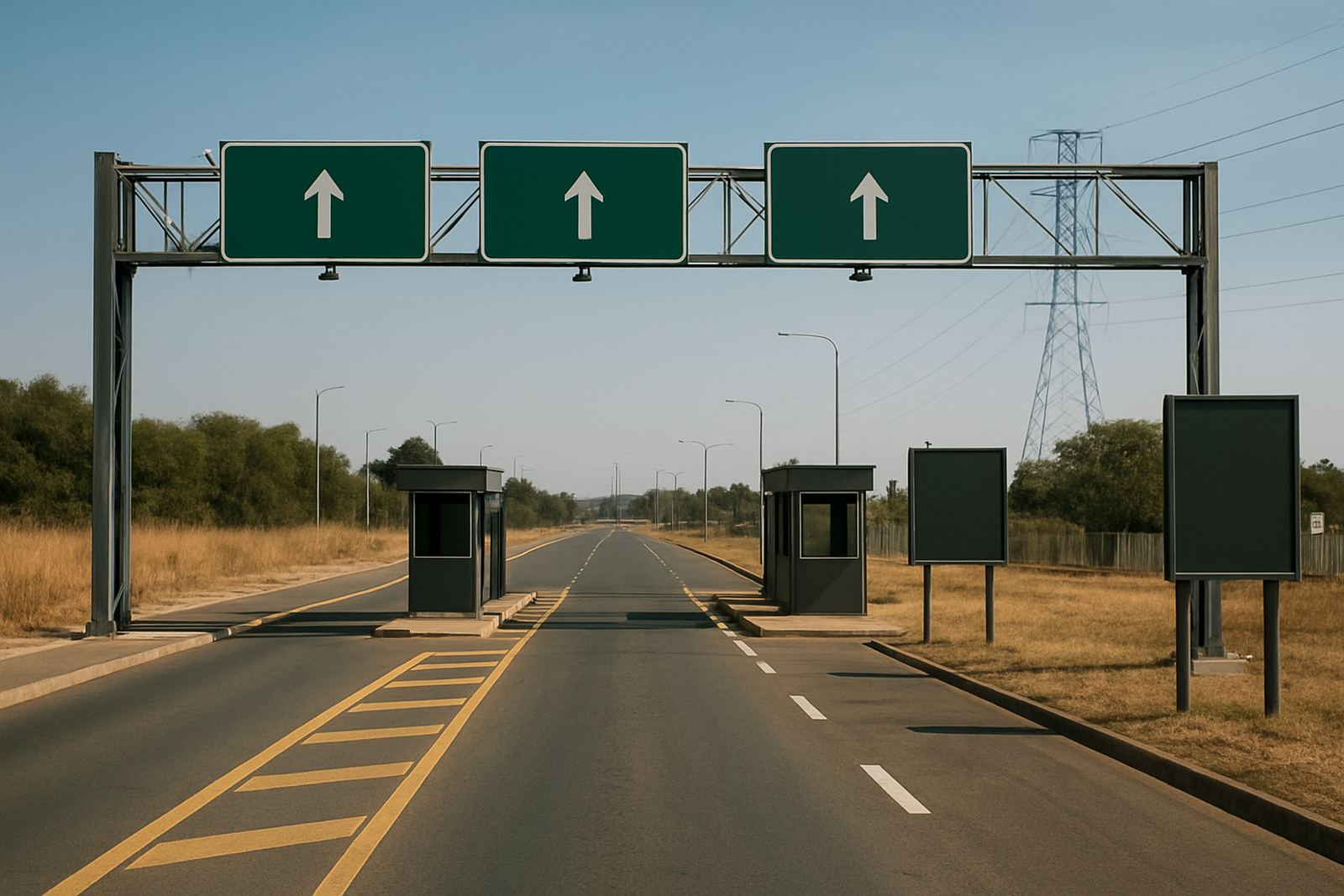
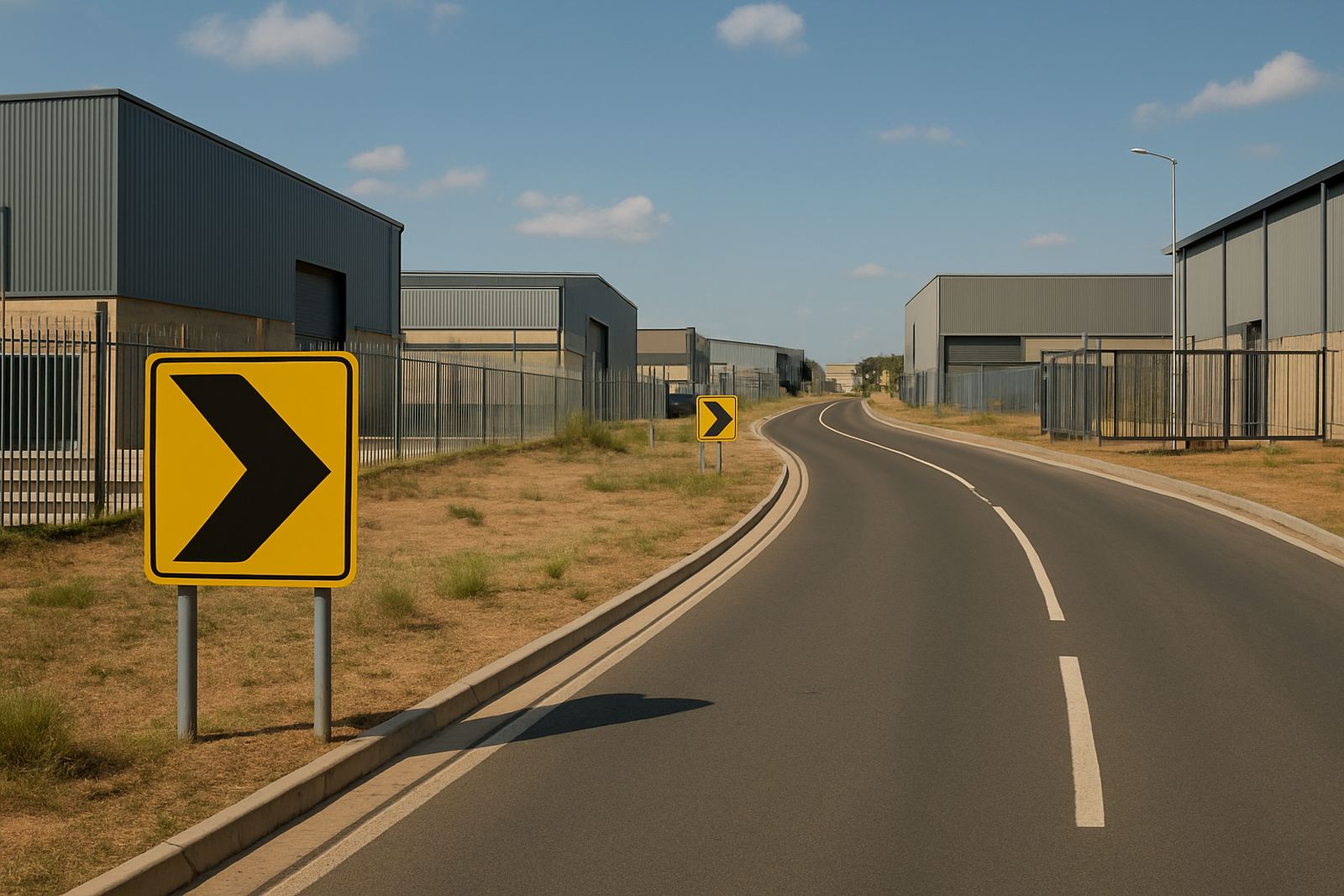
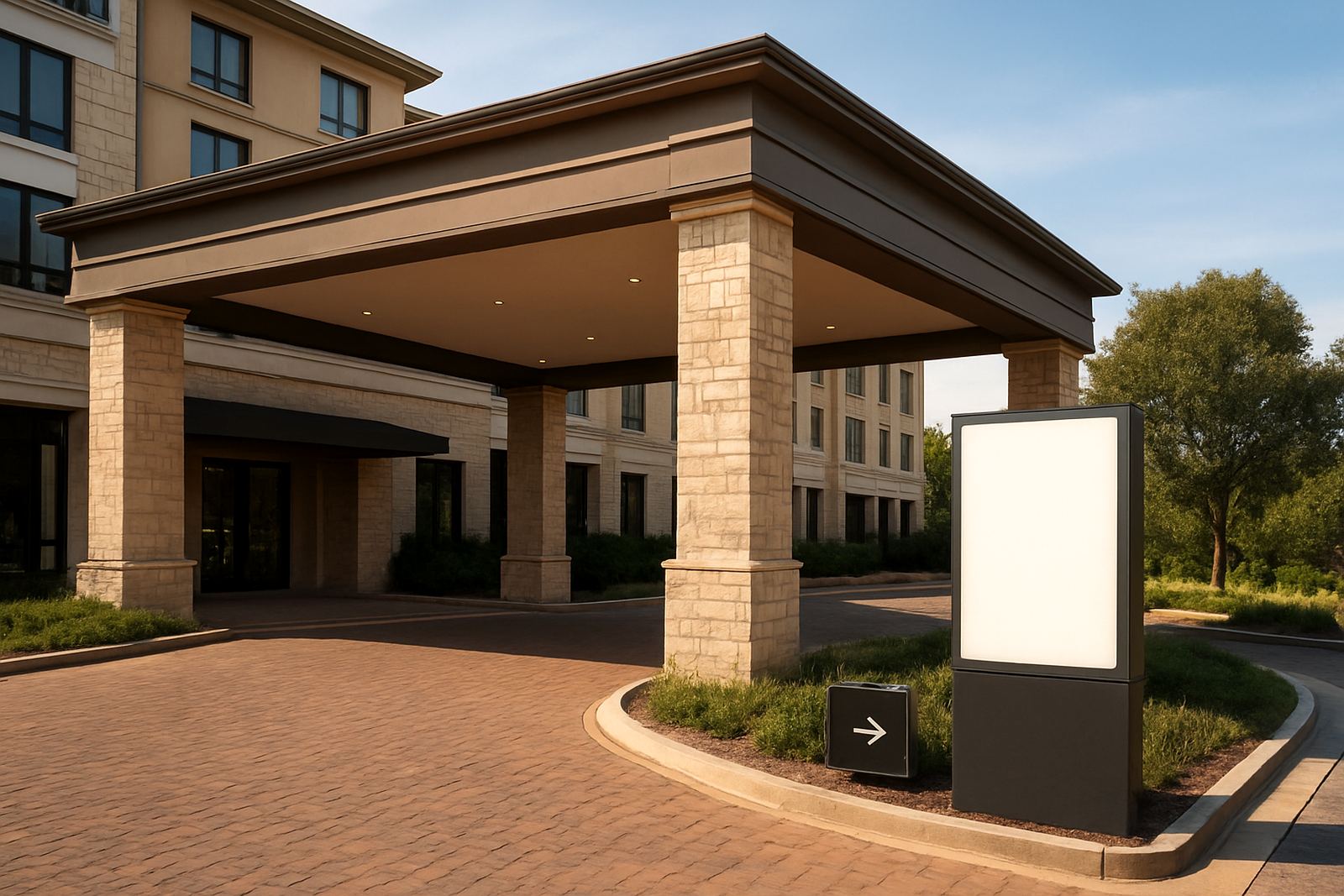
For hotels and conference venues, the first sign is often the one that decides whether a guest feels calm or confused. At the driveway, porte cochère, parking entrance and reception drop-off, signage must be easy to read from a moving vehicle and still hold its own against bright sun, glass facades and busy traffic. In Johannesburg and Pretoria, that usually means careful sizing, strong contrast and finishes that do not glare under afternoon light.
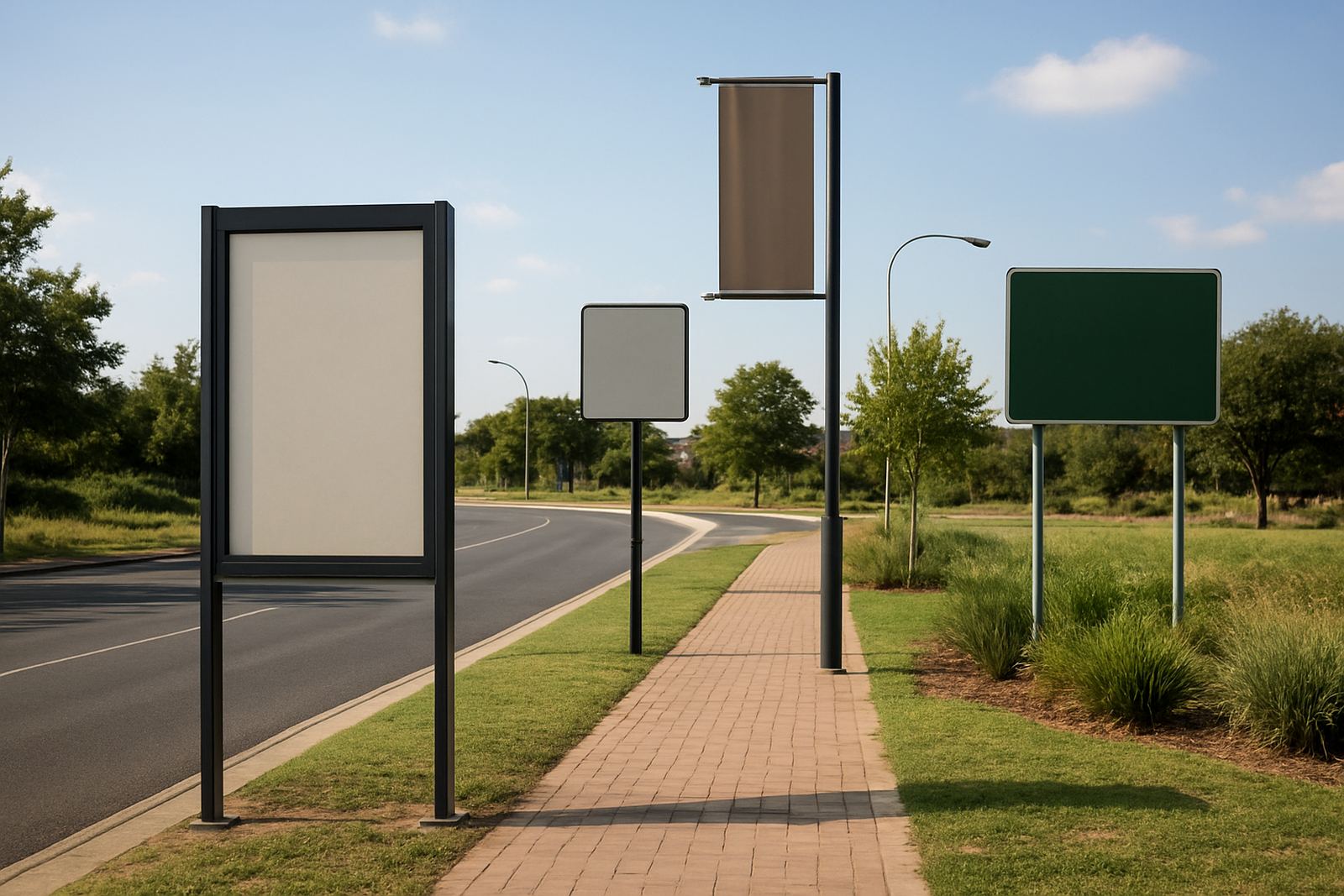
We normally start with the guest journey: the road approach, pedestrian path, baggage route, reception entry and after-hours access. A hospitality site often needs a mix of monument signs, wall logos, directional blades, parking boards and room identification, with each piece sized for its viewing distance. On a large property, a small sign can look tidy on paper but fail once cars, trees and security fencing are in the way.
- Driveway and entrance signs for first-time visitors
- Parking and drop-off identification
- Reception, lobby and concierge branding
- Guest room and conference room numbering
Typical signage sets for hotels, lodges and event venues
The right equipment set depends on how guests move through the property. A city hotel in Sandton usually needs crisp interior wayfinding, room markers, lift signage and branded feature walls. A lodge outside the city may need larger roadside signs, solar-friendly lighting and durable finishes that can cope with dust, wind and humidity. Event venues tend to need temporary and permanent combinations, especially where layouts change for exhibitions, weddings and corporate functions.
Common items include printed vinyl, routered Perspex letters, aluminium panels, brass nameplates, fabricated 3D lettering, light boxes, directional signs, wayfinding pylons, parking boards and LED video screens for event notices. Where the venue hosts conferences or banquets, digital screens can carry schedules, welcome messages and sponsor content without reprinting artwork every week.
- Fabricated 3D lettering for entrance walls and feature areas
- Light boxes for night-time visibility and long operating hours
- Pylons and directional blades for parking, lifts and conference rooms
- LED video screens for event messaging, promotions and live updates
Planning around visibility, traffic flow and maintenance
Hospitality sites work best when signage is planned with operations, not added at the end. The sign schedule should reflect the actual guest flow, service routes, emergency exits and back-of-house access. If housekeeping, banquet staff and delivery vehicles use the same circulation paths as guests, the signs need to separate those movements clearly.
We also look at mounting heights, sightlines, power availability and cleaning access. A sign placed too low gets blocked by landscaping or parked cars. A screen placed where the sun hits it directly can wash out by mid-morning. In coastal areas like Durban, marine air can affect fixings and finishes, so material selection matters. Inland, dust and heat can be just as hard on exposed components.
Maintenance planning is worth doing upfront. If a light box needs a special access panel or a screen requires safe servicing from a gantry, that should be allowed for in the structure and the budget. It saves a lot of trouble later, especially where the venue runs late functions and cannot close sections for long.
Material choices that suit South African conditions
Hospitality signage has to look polished but also survive daily use. Aluminium is often a practical choice for exterior panels and pylons because it is stable and handles weather well. Routered Perspex works well for illuminated letters and layered logos. Brass gives a more formal feel for premium interiors, but it needs careful finishing and regular cleaning in busy guest areas. Printed vinyl is useful for temporary graphics, glass manifestation and directional updates where content changes often.
For coastal venues, we often specify fixings and coatings that are better suited to humidity and salt air. For inland venues, UV resistance is a major issue, because fading can make a property look tired long before the furniture does. If the venue has load-shedding pressure, lighting needs to be thought through early, with realistic back-up options for illuminated signs and screen timing.
- Aluminium for exterior longevity and low maintenance
- Perspex for illuminated letters and layered branding
- Brass for premium reception and function areas
- Vinyl for glass, temporary messaging and event graphics
Budget ranges for hospitality signage in Rand
Budgets vary a great deal depending on the number of buildings, the height of installations, the need for structural works and whether LED screens are included. A small lodge upgrade may focus on entrance signs, room markers and a reception feature wall. A larger hotel or conference centre may need a full wayfinding package, multiple illuminated signs and a digital screen system. The fastest way to waste money is to place isolated signs without a proper sign schedule, because replacements and rework add up quickly.
As a working guide, a basic hospitality signage package may start from around R75 000 for a modest property with limited external work. Mid-range projects for hotels, conference venues and multi-building sites often sit between R180 000 and R650 000. Larger developments, municipal-facing venues or projects with LED screens, structural supports and multiple zones can move beyond R1 million. That range is common when there are approval steps, engineering coordination and phased installation across more than one building.
The useful question is not only what a sign costs, but what it costs to install, power and maintain over time. A cheaper sign that needs frequent repairs is rarely good value in a guest-facing environment.
Common mistakes we see on venue sites
Many hospitality projects go wrong when branding is treated separately from operations. The most common issue is signage that looks good in a design file but cannot be read from the driveway, parking bay or lift lobby. Another frequent mistake is using too many fonts, finishes or sign types, which makes the property feel pieced together instead of intentional. Guests notice that straight away.
We also see missed approvals, especially where signs project beyond boundaries, sit near roads, or need municipal or landlord consent. In Gauteng, timing matters because some developments move fast and sign fabrication can be delayed by building access, power outages or incomplete site information. Poor measurements are another problem. If the survey is wrong by even a small amount, fabricated items can arrive and not fit the wall or frame properly.
- Ignoring viewing distance and mounting height
- Choosing materials without considering weather and cleaning
- Leaving power and structural support decisions too late
- Overcrowding the property with unnecessary signs
How Deep3 handles hospitality projects from survey to handover
We work from Modderfontein and support hospitality clients across Johannesburg, Pretoria, Centurion, Durban and the wider region. The process usually begins with a site survey and a review of guest movement, existing branding and any approval requirements. From there we develop the sign strategy, confirm materials, check structural coordination and manage fabrication and installation so the site team is not left trying to coordinate separate contractors.
Our team covers the practical steps that matter on live sites: design development, material specification, approval support, fabrication management, installation management, LED screen integration, maintenance planning and handover. That suits properties that are trading while the work happens, because guest access, security and noise control all need to be considered. Sibusiso Mthembu leads the business, with Leanne van Wyk on operations, Sakhile Motsepe on project engineering, Thandiwe Ndlovu on design and visualisation, Riaan Smit on fabrication and Omolemo Msiza on site rigging.
If your hotel, lodge or venue needs a clearer guest journey, better night visibility or a cleaner branded finish, the best next step is a proper survey and sign schedule before anything is manufactured.