
Road signs that can be read before the turn
Road signs are not just panels with text. They are part of how traffic moves, where pedestrians cross and how drivers make decisions at the right moment. We supply regulatory, warning and directional road signs for estates, industrial parks, business campuses, retail precincts, schools and municipal roads. The aim is simple: clear guidance, good reflectivity and a structure that stands up to wind, dust, vibration and daily use.
For new developments, road signs are usually planned with access control, speed calming and wayfinding in mind. For municipalities, they must suit approved layouts, standard sign sizes and the conditions on the road reserve. In Johannesburg and surrounding areas, that often means handling bright sun, summer storms and long periods of dust, then coping with the odd load-shedding related outage when lighting or nearby systems are affected.
Standard sizes, formats and sign face options
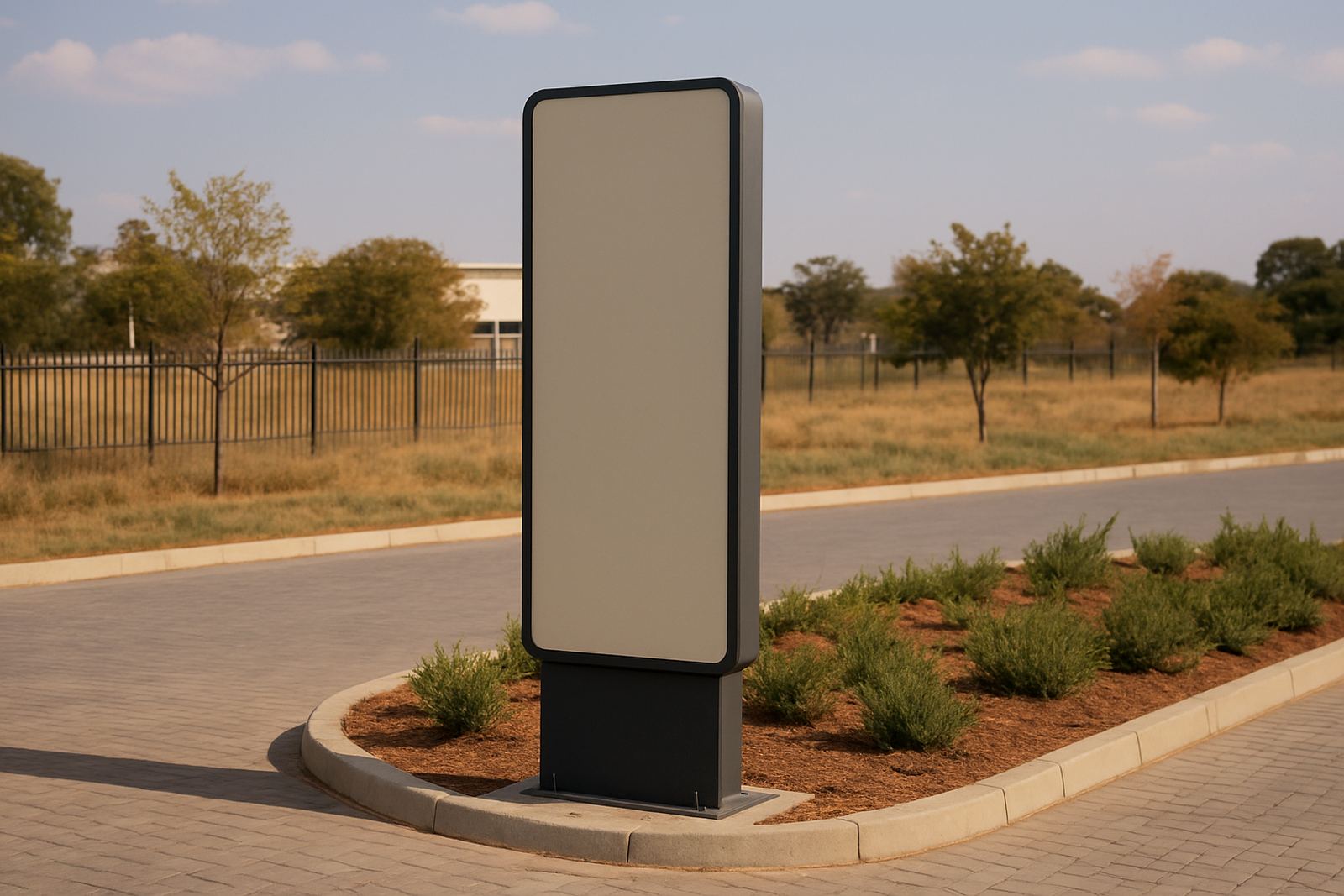
We make road signs in common standard sizes and also to project-specific dimensions where the road authority or site layout calls for it. Panels can be single-sided or double-sided, mounted on a post, bracket, gantry or wall frame. For larger sites, we also supply signs with a clear hierarchy so main directions are visible from further back and secondary instructions are placed lower down or closer to the decision point.
- Small regulatory signs: typically 450 mm to 600 mm wide for local access roads and internal circulation routes
- Medium directional signs: 900 mm to 1200 mm wide for estates, campuses and collector roads
- Large guide signs: 1500 mm to 3000 mm and up, depending on viewing distance and traffic speed
- Custom shapes: arrows, stacked panels, roundels, rectangular blades and map-style direction signs
- Materials: aluminium, galvanised steel, ACM, Perspex, printed vinyl on rigid boards, or fabricated frames for heavier duty use
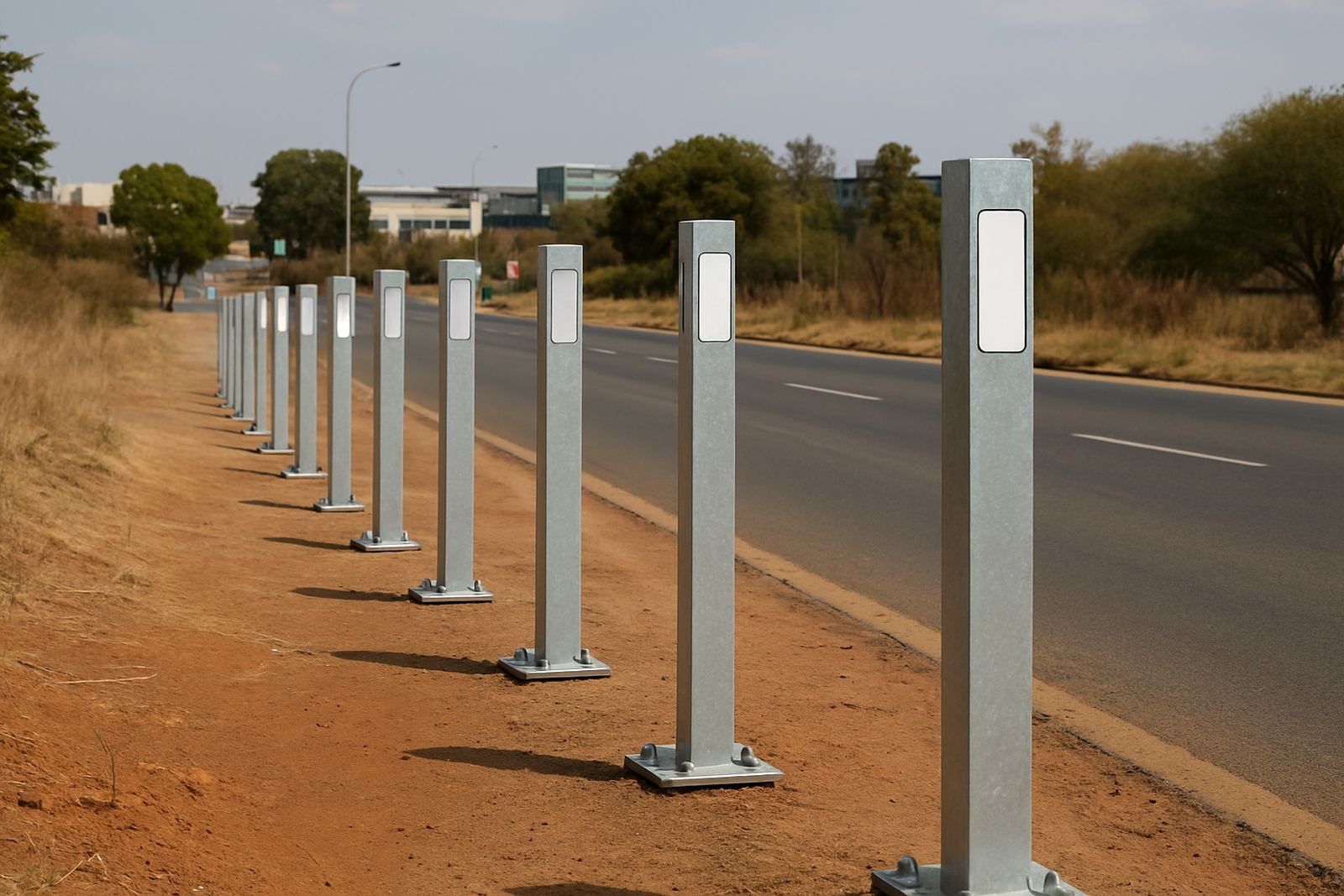
Reflective finishes are important for night-time visibility. We specify the right grade for the application, from low-speed internal routes through to busier public roads where stronger retroreflectivity is needed. On coastal projects or where irrigation spray is constant, we also factor in corrosion resistance and fixings that will not rust away after one rainy season, which saves a lot of grief later.
Where road signs suit best
Road signs suit any place where vehicles and people need to move with less confusion. On private developments they help visitors find the gate, loading bay, parking area or service entrance. On campuses they direct staff, visitors, emergency vehicles and contractors without relying on one person to give directions all day. On municipal routes they support traffic control, route marking and safer decisions at junctions, bends and pedestrian crossings.
We often work on signage plans for estates in Sandton, Midrand, Randburg, Germiston, Pretoria and Centurion, as well as projects in Durban where humidity and salt air ask for extra care in material selection. The same applies to industrial sites in Modderfontein and the east of Johannesburg, where dust and heavy vehicles can punish light structures. The right sign is one that remains readable after months of sun, wind and site traffic not just on handover day.
- Developments: access control, street naming, visitor routes and parking guidance
- Campuses: directional hierarchies, internal road names and service access
- Municipal projects: regulatory, warning and route guidance signs
- Industrial and logistics sites: truck routes, loading areas and restricted zones
Installation, structure and power needs on site
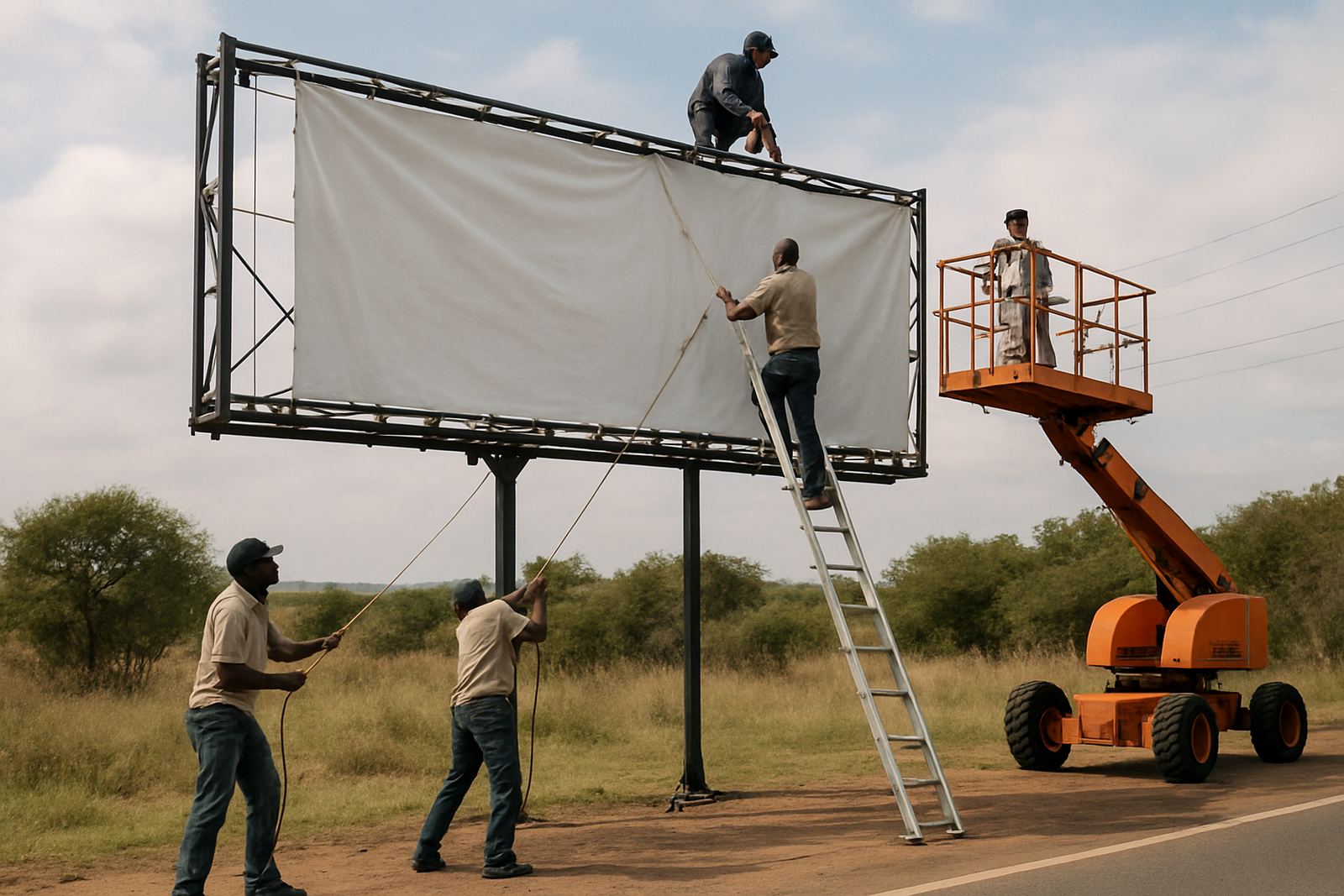
Road signs are only as good as their installation. We coordinate the full setup, from footing design and post selection to mounting height and final alignment. On windy sites or along fast roads, the post size and foundation depth matter as much as the sign face itself. On larger directional signs, structural checks are important so the panel does not twist, chatter or fail in a storm.
For illuminated signs or signs paired with LED wayfinding displays, we plan the electrical side early. That includes cable routing, isolators, protection against surges and any standby provision needed for sites where power interruptions are common. Most standard road signs do not need ongoing power, but lit signs, flashing warning units or integrated LED screens do. If a gas-assisted feature is specified for a special application, we review the safety and servicing requirements before fabrication begins.
- Post and footing design matched to wind load and panel size
- Corrosion-resistant brackets, fasteners and support frames
- Correct mounting height for driver sight lines and pedestrian safety
- Electrical planning for illuminated or integrated digital signs
What we check before manufacturing starts
A road sign order should never be based on guesswork. We check the site, the traffic approach angles and the approval requirements before any cutting or printing starts. That means confirming where the sign is seen from, how far away it must be legible and whether it sits on private land, a servitude or a municipal reserve. It also means checking if the wording, symbols and layout align with the applicable standards for the site.
Clients should have as much detail ready as possible at order stage. The more exact the brief, the fewer delays and variations later on. If a development has phased openings or multiple entrances, we can phase the signs too, so the first set goes in where it is needed most and the rest follows as roads and services are completed. This saves time and avoids redoing work after the final kerbs or streetlights go in.
- Exact wording, route names and destination names
- Required sign size, viewing distance and mounting height
- Material preference and whether reflectivity is needed
- Site photos, layout drawings and any approval conditions
- Installation date, access restrictions and working hours on site
Care and servicing after installation
Road signs need occasional attention if they are to remain effective. Dirt, overspray, bird droppings and faded markings reduce visibility long before the panel itself fails. In Gauteng, we usually recommend a simple inspection routine after heavy rain, construction activity or any incident near the sign line. On coastal or high-moisture sites, fixings and frames should be checked more often because rust starts where touch-ups have been delayed.
We can plan maintenance as part of the project handover. That may include cleaning intervals, bolt checks, replacement of damaged panels and upgrades where road layouts change. For developments that are still under construction, it helps to keep spare hardware and a record of sign codes on file so replacements can be ordered quickly. A missing arrow or a bent warning sign can cause unnecessary confusion for drivers and couriers, so it is worth dealing with early.
If a sign is close to landscaping or irrigation, make sure sprinklers are not hitting the face every night. Constant water spotting shortens the useful life of reflective sheeting and leaves the sign looking tired long before it should.
Key facts
| Product type | Regulatory, warning and directional road signs |
|---|---|
| Typical sizes | 450 mm to 3000 mm+, custom to site requirement |
| Material options | Aluminium, galvanised steel, ACM, Perspex, printed rigid board |
| Finish options | Reflective film, printed vinyl, powder-coated frames, protective laminate |
| Mounting | Posts, wall brackets, gantries, frames and custom support structures |
| Service area | Modderfontein, Gauteng and across South Africa and Africa |